
OEM and factory
Bali Rattan Furniture Export Guide: A-to-Z for Buyers
This Bali rattan furniture export guide covers everything an importer needs: weave grades and anyaman patterns, natural versus HDPE synthetic, frame materials, MOQ logic built on a mixed container that cubes out, export documents, incoterms, and 6-10 week lead times to Europe — with every price quote-based per piece and spec from your item list.
Why Does Bali Have a Structural Edge in Rattan Furniture Export?
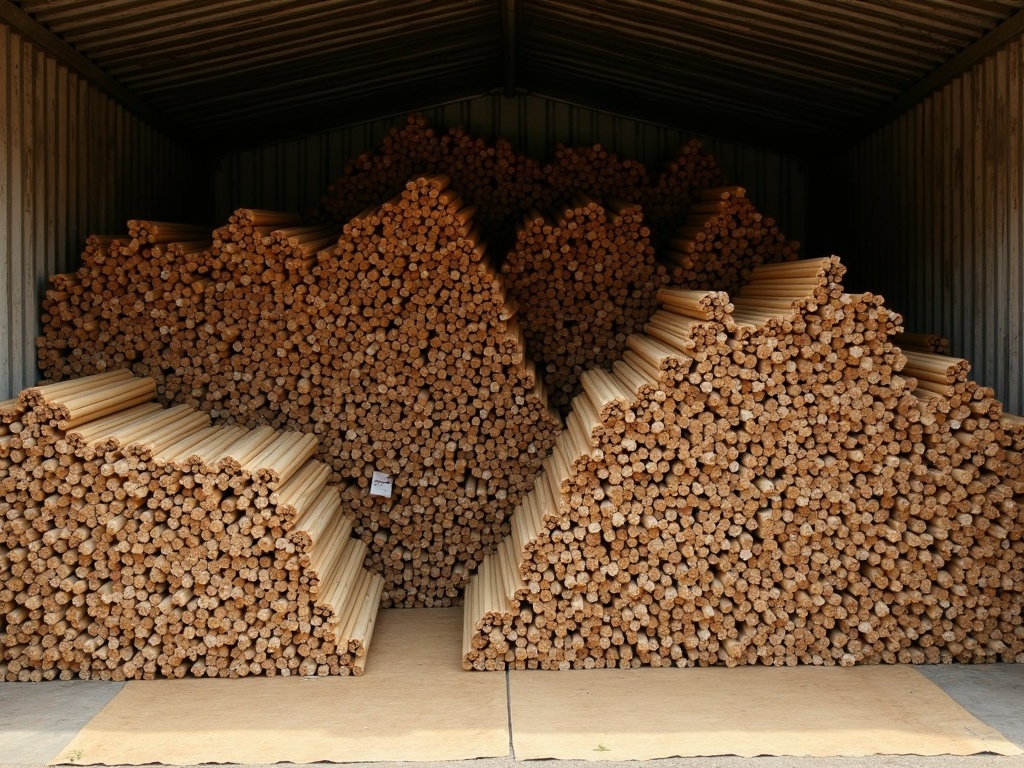
Because Indonesia keeps the value-added at home. Under Trade Regulation Permendag No. 38 of 2017, raw (unprocessed) rattan may not be exported from Indonesia, while semi-finished rattan and finished rattan furniture can. Then-Trade Minister Enggartiasto Lukita, speaking in Cirebon and reported by ANTARA News, confirmed raw rattan cannot leave the country but semi-finished rattan may. The policy has shifted before — current as of 2026, not permanent. The effect: the world's biggest rattan supply gets woven and finished by Indonesian hands before it ships as mebel (furniture).
The trade is measurable. BPS-Statistics Indonesia reports Bali Province exported goods worth US$634,496,917 in 2024. Jimbaran and Denpasar host most Bali export warehouses, Cirebon in West Java is the historic weaving cluster, and containers ship FOB Semarang or Surabaya.
Which Weave Grades and Anyaman Patterns Should You Specify?
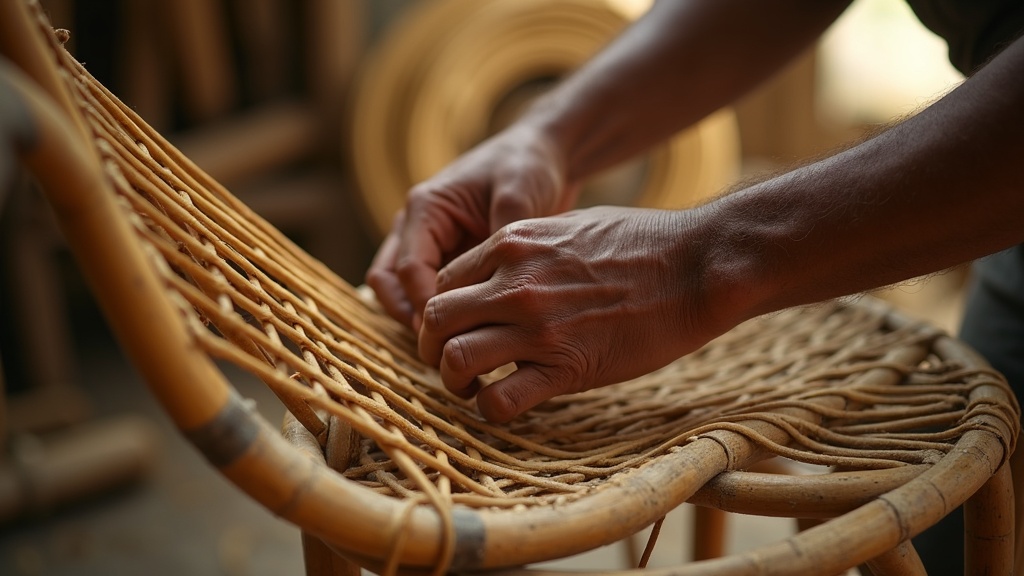
No standardized industry grade codes exist — one workshop's "grade A" is another's "grade B." What controls quality is the anyaman (weave) pattern, strand consistency, and the sample you approve before production. Put these on your item list:
The rattan weave grades and patterns page gives copy-paste specification language for enquiries.
Natural or Synthetic Rattan — Which Should You Order?
Honest answer: it depends where the furniture will live. Natural rattan (rotan) is a solid climbing palm — repairable, biodegradable, warm to the eye — but sustained rain and sun make the fiber dry, crack, and mold. Synthetic rattan, HDPE or PE fiber hand-woven over powder-coated aluminum, shrugs off weather and pool chlorine but cannot be re-woven like natural fiber. Terraces and pool decks should order synthetic rattan furniture; lobbies, restaurants, and villas are where natural rattan furniture earns its premium. Hospitality buyers often split one container between both — see outdoor rattan and hotel and hospitality furniture.
Frames follow the same logic: thick rattan poles or wood (teak, mahogany, mindi) for natural pieces, aluminum for synthetic. Since 1 January 2015, SVLK timber-legality verification has been mandatory for Indonesian wood-furniture exports, so wooden frames must ship with SVLK paperwork covering the wood component; EU-bound wooden furniture may also fall inside EUDR scope. Prepare the documents — never assume exemption.
How Do MOQ and Container Planning Actually Work?
No source verifies an "industry standard MOQ" — minimums are supplier-specific and negotiated. The working rule at workshops in Bali and Cirebon is simpler: your order must cube out a mixed 20ft or 40ft container so freight per piece stays sane. Mixing chairs, sofas, lamps, and cabinets in one load is normal — full logic on the MOQ and container page.
Pricing is quote-based per piece and spec — weave density, frame, finish, and cushions move the number. The figures below are indicative examples only, as of 2026 and subject to change; a real quotation comes from your item list via the rattan furniture price guide.
Workshops routinely adjust dimensions, finishes, and colors to buyer specification — send diagrams or photos so the maker fully understands the requirement. Details on the OEM and private-label page.
What Export Documents and Incoterms Does Your Shipment Need?
The standard Bali furniture export set, plus condition-based extras:
German customs require detailed product descriptions, value declarations, and country-of-origin certificates; EU-bound furniture must meet EU plant-health regulations plus European safety standards, including flame-retardancy and chemical-content restrictions. HKTDC's overview of Indonesian customs law notes maximum import duty of 40%, most items 0-15% — but your destination country's duty is what hits landed cost.
Incoterms in plain language: EXW, you collect from the Jimbaran or Denpasar warehouse and handle everything; FOB Semarang or Surabaya, the exporter clears ekspor formalities and loads the vessel, then risk passes to you; CIF adds freight and insurance to your port.
-
Commercial invoice and packing list
-
Bill of lading (or air waybill)
-
Certificate of origin (COO)
-
Indonesian export declaration (PEB)
-
Fumigation certificate for wooden furniture; phytosanitary certificate for plant-based items, destination-dependent
-
SVLK documentation where the frame is wood
How Long Do Production, QC, and Shipping Take?
Bali-to-Germany rattan shipments typically run 6-10 weeks total — production, packaging, and sea freight combined, per logistics-guide figures. Bali-to-Australia sea freight usually takes 2-6 weeks. Air freight rarely makes sense for bulky woven furniture. QC runs in four passes: raw-material check, mid-production weave inspection, pre-packing inspection with photos sent to you, and loading supervision. Payment terms are agreed per quotation — commonly a deposit to start, balance before loading; never against a fixed price list, because there isn't one. Full timelines: shipping and lead-time page.
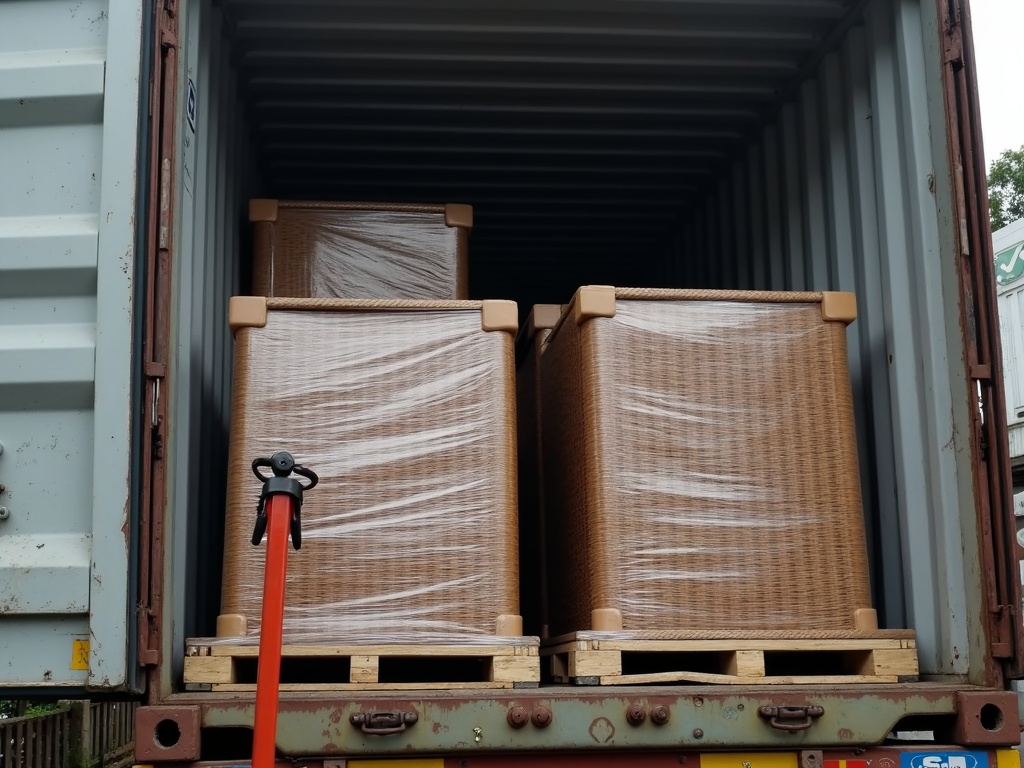
Wrapped rattan furniture loaded into a shipping container.
How Does the Quote Desk Work?
> Get a real quotation, not a price list. This desk is operated by Juara Holding Group, part of Juara Holding Group — an Indonesian group operating from Bali across Indonesia since 2015. We quote per piece from your item list via vetted workshops in Bali and Cirebon; no fixed prices, no guaranteed rates. WhatsApp +62 811-3941-4563 or email bd@juaraholding.com.
Frequently Asked Questions
Read the full FAQThe rest of the programme
Built to your drawing, your label, your schedule.
Send the spec, get a dated quote
Tell us the destination market, the pieces you want and roughly what volume. The desk replies within one business day, Bali hours.