
Export desk
Bali Rattan Furniture Exporter | Export Desk & Documents
A Bali rattan furniture exporter coordinates finished mebel rotan from workshops in Bali and Cirebon to your port: documents (commercial invoice, packing list, bill of lading, certificate of origin, export declaration, fumigation), FOB loading at Semarang or Surabaya, and destination guidance for the USA, EU, and Australia. Pricing is quote-based — send your item list via WhatsApp.
- Loading FOB
- Semarang or Surabaya
- Container
- 20ft, 40ft or mixed
- Documents
- Invoice, B/L, COO, fumigation
- Reply
- One business day, Bali hours
Bali is not a boutique side-channel for furniture trade. BPS-Statistics Indonesia reports that Bali Province exported goods worth US$634,496,917 in 2024, and most of the island's large export warehouses sit in Jimbaran and Denpasar. What overseas buyers usually lack is not product — it is a coordinator who owns the paperwork, the consolidation, and the port booking.
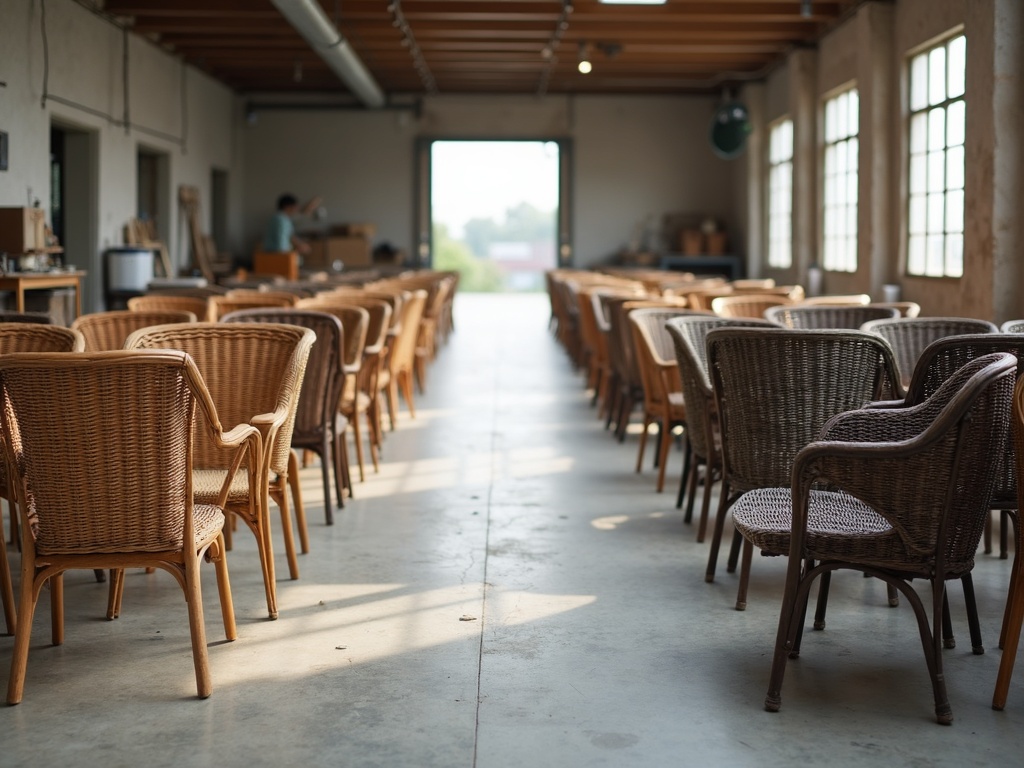
What does a Bali rattan furniture exporter actually handle?
Three things: production coordination, document handling, and freight booking.
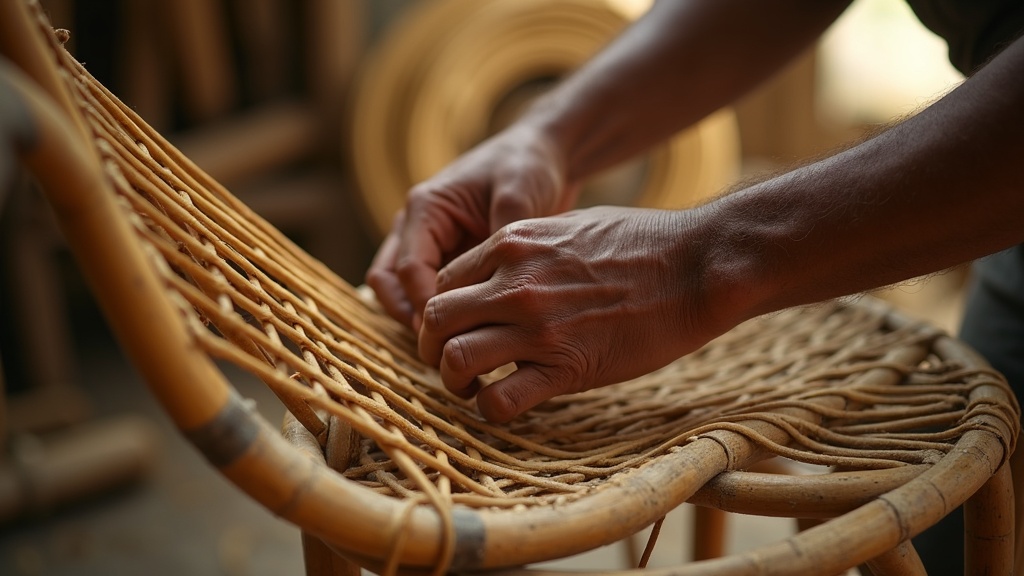
On production, the desk places your order across vetted workshops — anyaman (weaving) in the Cirebon cluster of West Java, design-led finishing in Bali — then consolidates everything into one container. You deal with one counterpart, not five workshops across two provinces.
On paperwork, the desk prepares the full export set and arranges fumigation and timber-legality certificates through licensed forwarders. On freight, containers load FOB Semarang or Surabaya, the two ports serving the Java–Bali furniture corridor.
One structural rule works in your favour. Under Trade Regulation Permendag No. 38 of 2017, raw (unprocessed) rattan may not be exported from Indonesia, while finished rattan furniture can. Then-Trade Minister Enggartiasto Lukita, speaking in Cirebon and reported by ANTARA News, put it plainly: raw rotan stays home, finished goods travel. The rule anchors weaving skill and material supply inside Indonesia — the reason finished furniture from a Bali exporter beats sourcing raw cane anywhere else. Rattan policy has been contested before, so read this as the position as of 2026, not a permanent promise.
Which export documents does a rattan furniture shipment need?
For EU-bound pieces with timber frames, furniture can also fall within EUDR scope. The desk prepares supporting documentation but sells no certainty on how each member state applies it — ask early, not at the port.
How long does export from Bali take?
Logistics guides put Bali-to-Germany rattan furniture shipments at 6–10 weeks total, covering production, packaging, and sea shipping. Sea freight from Bali to Australia usually runs 2–6 weeks once loaded. Air freight exists on paper but is rarely economical — a woven lounge chair is mostly air, and airlines charge for volume.
Every USD figure below is an indicative example only, as of 2026 and subject to change. Real pricing is quoted per piece against your item list — never from a fixed price sheet, and never pinned to a named factory.
The sensible MOQ is not a per-model minimum — it is a mixed 20ft or 40ft container that cube-outs across several models.
What should USA, EU, and Australian buyers check before ordering?
One Indonesia-side note for OEM buyers: if you send hardware, fabric, or fittings into Indonesia for assembly, HKTDC's overview of Indonesian customs law notes import duty tops out at 40%, with most items in the 0–15% band.
-
EU and Germany
German customs require detailed product descriptions, value declarations, and country-of-origin certificates. EU-bound furniture must also clear EU plant-health regulations and European safety standards, including flame-retardancy and chemical-content restrictions on finishes and foams.
-
USA. Entry runs on the standard document set
Confirm your HTS classification and any state-level flammability rules for upholstered pieces with your customs broker; the desk supplies the origin and treatment paperwork the broker asks for.
-
Australia
Biosecurity is the real gate — fumigation and plant-health certificates matter more than tariffs, and shipments are inspected accordingly.
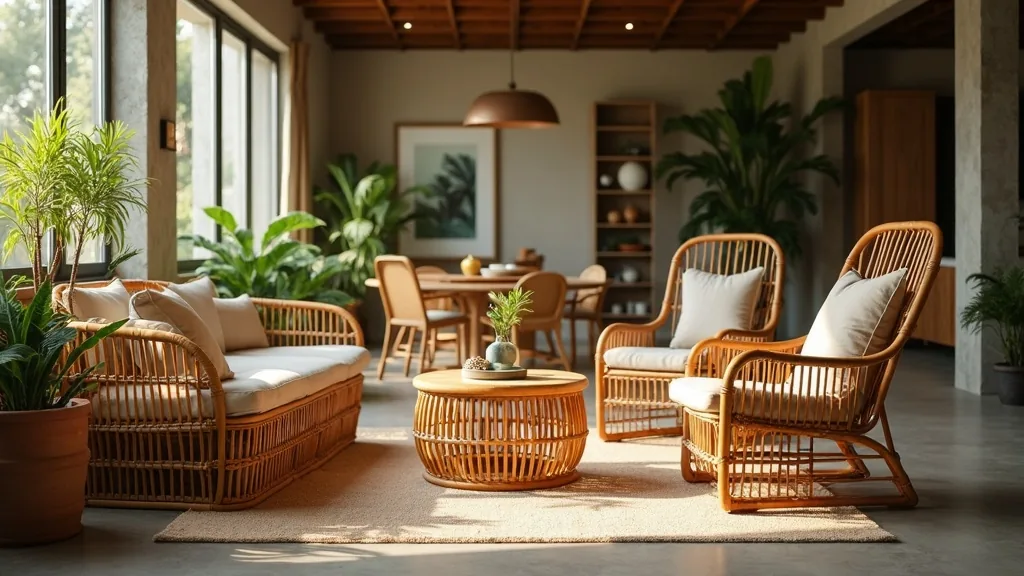
Bulk rattan furniture staged for a repeat order.
How does the export enquiry process work?
Start your export enquiry
This desk is operated by Juara Holding Group, part of Juara Holding Group — an Indonesian group operating from Bali across Indonesia since 2015. We coordinate; production and freight run through vetted workshops and licensed forwarders. No fixed price list and no invented ratings — just a quotation built from your item list, usually within two working days.
Frequently Asked Questions
Read the full FAQThe rest of the export desk
Container maths, minimums and paperwork, one page each.
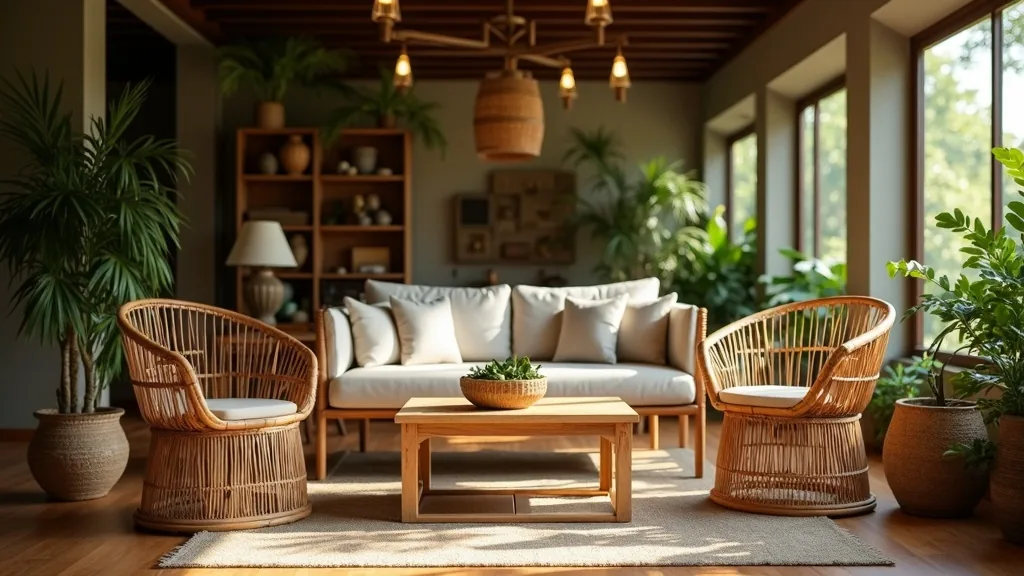
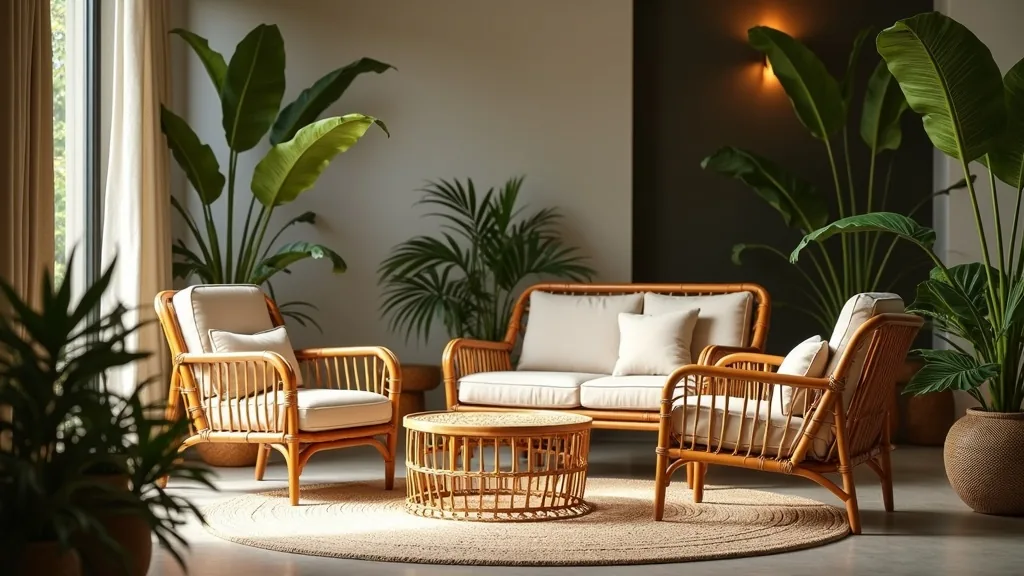

Send the spec, get a dated quote
Tell us the destination market, the pieces you want and roughly what volume. The desk replies within one business day, Bali hours.