
OEM and factory
Bali Rattan Furniture Factory Wholesale: Direct Access
Bali rattan furniture factory wholesale means buying finished rotan furniture straight from vetted production workshops in Bali and Cirebon — no trading-company markup stacked on top. The desk behind this site shortlists workshops against your item list, runs sample-to-container QC, and books factory visits across the Jimbaran–Denpasar warehouse belt. Pricing is quote-based per piece and spec.
Here is how it works: who makes what, how a sample becomes a container, and how to walk a workshop floor before committing.
Why Buy Factory-Direct From Indonesia Instead of Through a Trading Company?
Because Indonesian regulation keeps the value-added stages — weaving (anyaman), framing, finishing — inside the country. Under Trade Regulation Permendag No. 38 of 2017, raw unprocessed rattan may not be exported from Indonesia, while semi-finished rattan and finished rattan furniture can be. Then-Trade Minister Enggartiasto Lukita, speaking in Cirebon in remarks reported by ANTARA News, confirmed exactly that split: raw rotan stays home, finished goods ship. Rattan policy has shifted before and could shift again, so treat this as the position as of 2026, not a permanent guarantee.
The practical effect: the workshops that weave and finish your furniture are here, reachable, and visitable — you are not buying through a re-exporter three steps removed from the loom. And the trade is measurable.
How Is the Workshop Network Vetted?
We never name factories or attribute a price to one — pricing is negotiated per order, and a name next to a number creates false certainty. What we maintain is a working shortlist of workshops in Bali and Cirebon that pass a repeatable screen:
Geography matters. Cirebon in West Java is the historic weaving cluster with the deepest bench of weavers; the Pasuruan–Sidoarjo corridor is another active furniture zone; Bali — chiefly Jimbaran and Denpasar — is the design-led finishing and export hub.
-
Export track record
Completed container orders, not just showroom pieces.
-
Weave consistency
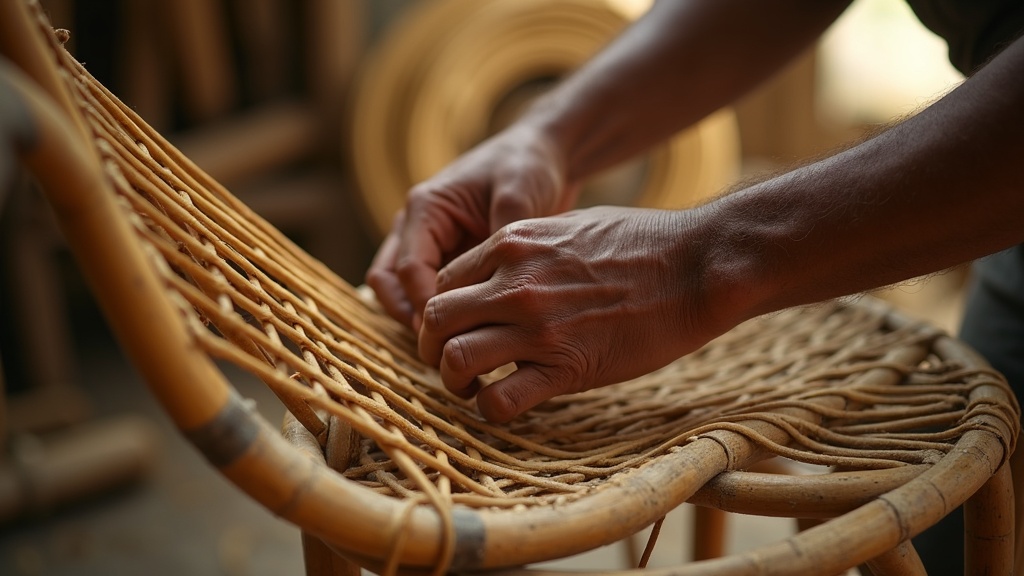
Anyaman checked for tension, spacing, and underside neatness across multiple pieces, never one hero item.
-
Frame sourcing
For teak, mahogany, or mindi frames, SVLK timber-legality paperwork — mandatory for wood furniture exports since 1 January 2015 — must be current for the wood component.
-
Finish room
Spray-booth condition, drying discipline, colour-matching capability.
-
Documentation history
Invoices, packing lists, and certificates of origin done correctly before.
-
Communication
A workshop that answers spec questions slowly at quoting stage answers them slower mid-production.
What Production Capacity Can the Network Handle?
Capacity moves with season and order book. The ranges below are indicative network observations as of 2026, not commitments — a shortlist request gets current, order-specific numbers.
Most buyers filling a mixed container work with one mid-size workshop, or two smaller ones under a single QC plan.
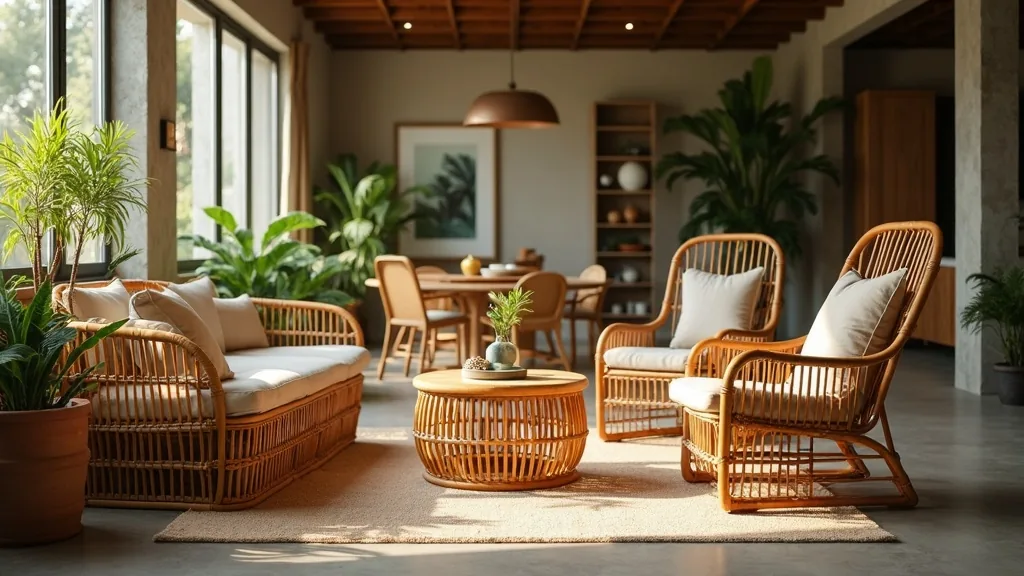
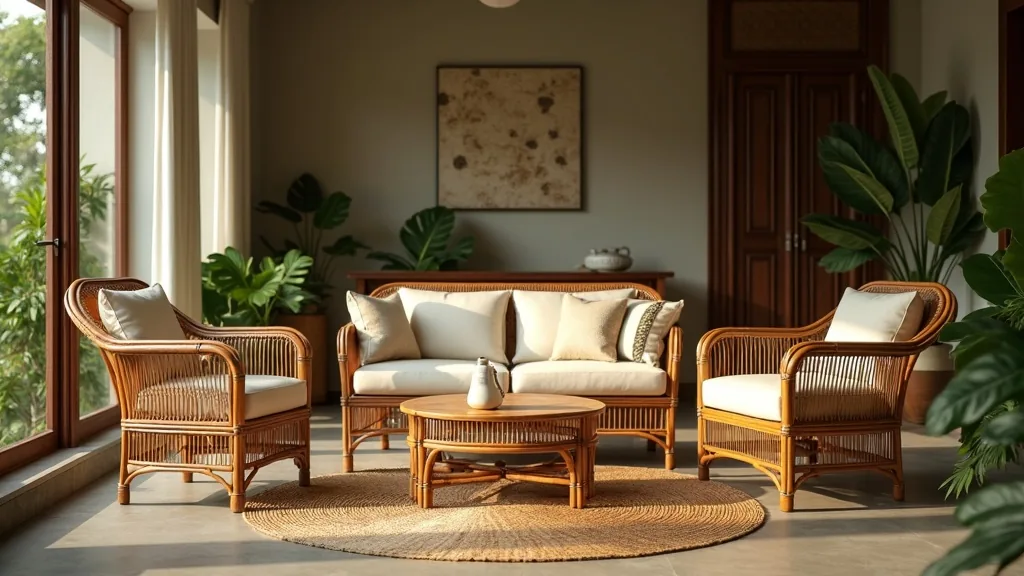
Bulk rattan furniture staged for a repeat order.
How Does Sample-to-Mass-Production QC Work?
Bali furniture guides consistently verify that artisans will adjust dimensions, finishes, and colours to buyer specification — provided the maker fully understands the requirement. Quality control therefore starts with the drawing, not the inspection.
What Do Factory Wholesale Prices Look Like?
Every figure below is an indicative example only, as of 2026 and subject to change. Real pricing is quote-based per piece and per spec, built from your item list, and quoted FOB Semarang or Surabaya. No industry-standard MOQ or per-CBM rate exists for Bali rattan furniture; the working MOQ is a mixed 20ft or 40ft container that cubes out.
On timing: Bali-to-Germany shipments typically run 6–10 weeks door to door including production, packing, and sea freight, according to logistics guides; Bali-to-Australia sea freight alone usually takes 2–6 weeks. Air freight exists but rarely makes sense for bulky woven mebel.
Can You Visit Workshops Before Ordering?
Yes — and serious container buyers should. Most visits run through the Jimbaran–Denpasar warehouse belt, where Bali's export warehouses and large-scale suppliers concentrate, with optional extensions to Cirebon weaving floors for buyers routing through Java. A typical visit day covers two to four workshops matched to your category, a finishing-room walkthrough, and the container-loading bay — packing standards, not just showroom pieces.
How Booking Works
Book a factory visit or request a workshop shortlist. The desk is run by Juara Holding Group — part of Juara Holding Group, an Indonesian group operating from Bali across Indonesia since 2015. Message WhatsApp +62 811-3941-4563, email bd@juaraholding.com, or send the enquiry form with your item list and destination port. You get a shortlist and a dated indicative quote, not a hard sell.
Frequently Asked Questions
Read the full FAQThe rest of the programme
Built to your drawing, your label, your schedule.
Send the spec, get a dated quote
Tell us the destination market, the pieces you want and roughly what volume. The desk replies within one business day, Bali hours.