
Collections
Bali Rattan Indoor Furniture Wholesale: Dining to Cabinets
Bali rattan indoor furniture wholesale means buying finished dining sets, headboards, bed frames, mirrors, and cabinets — woven in natural rattan (rotan) or cane webbing — direct from Bali export workshops at quote-based FOB prices. The working MOQ is a mixed 20ft or 40ft container that cubes out, quoted line by line from your buyer item list.
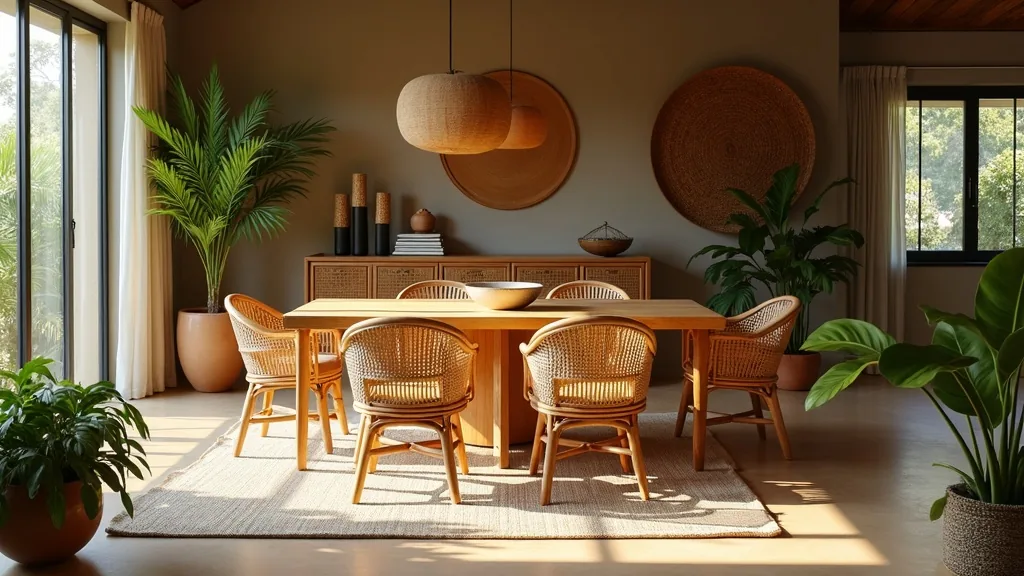
This page covers the indoor side of the catalog: the pieces importers, retailers, and hospitality buyers ship for boho, tropical, and Scandinavian-fusion interiors. Every USD figure below is an indicative example as of 2026, subject to change. A firm quotation is prepared per piece and per specification once your list reaches the Juara Holding Group export desk.
Which indoor rattan categories can you order wholesale from Bali?
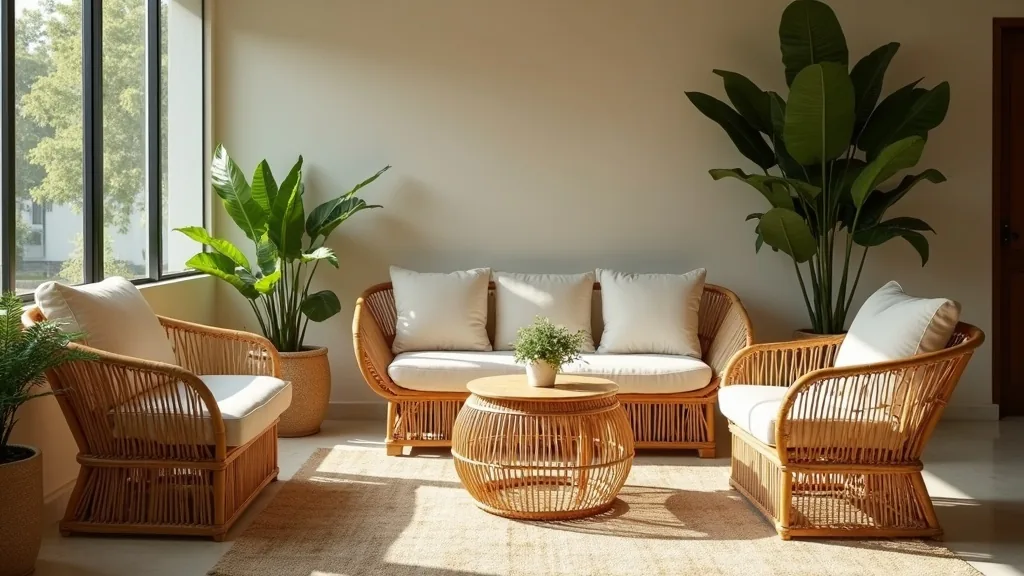
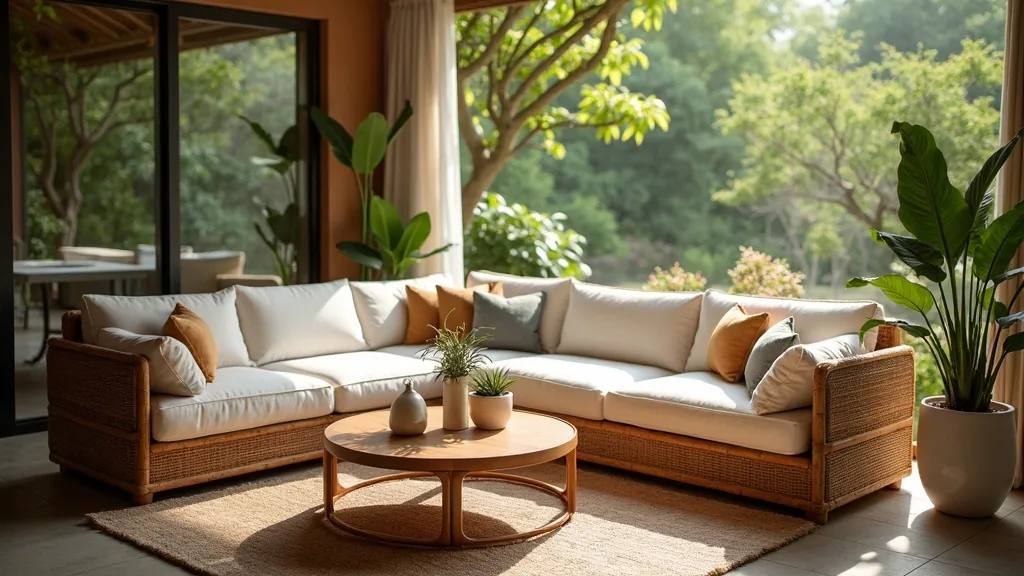
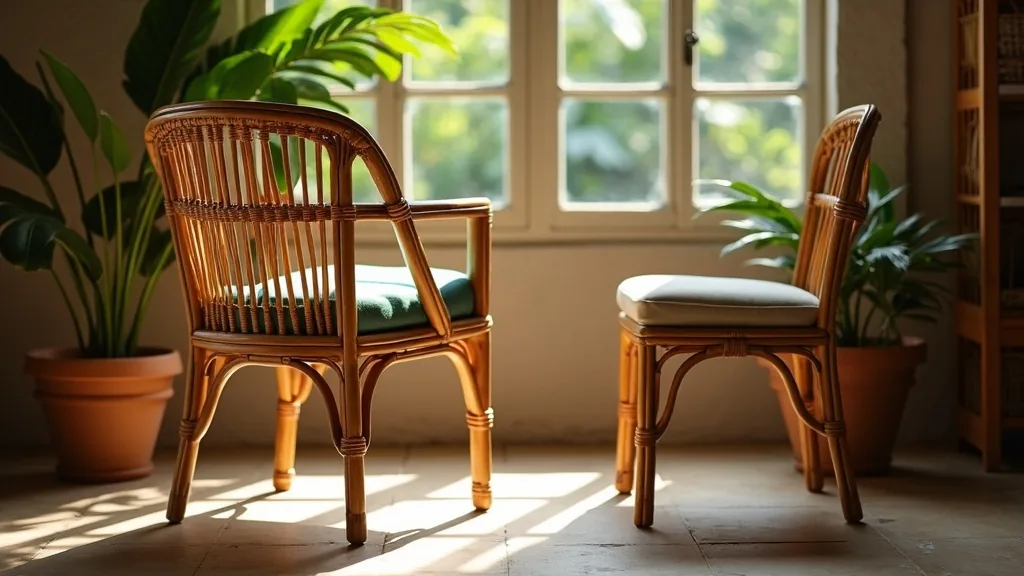
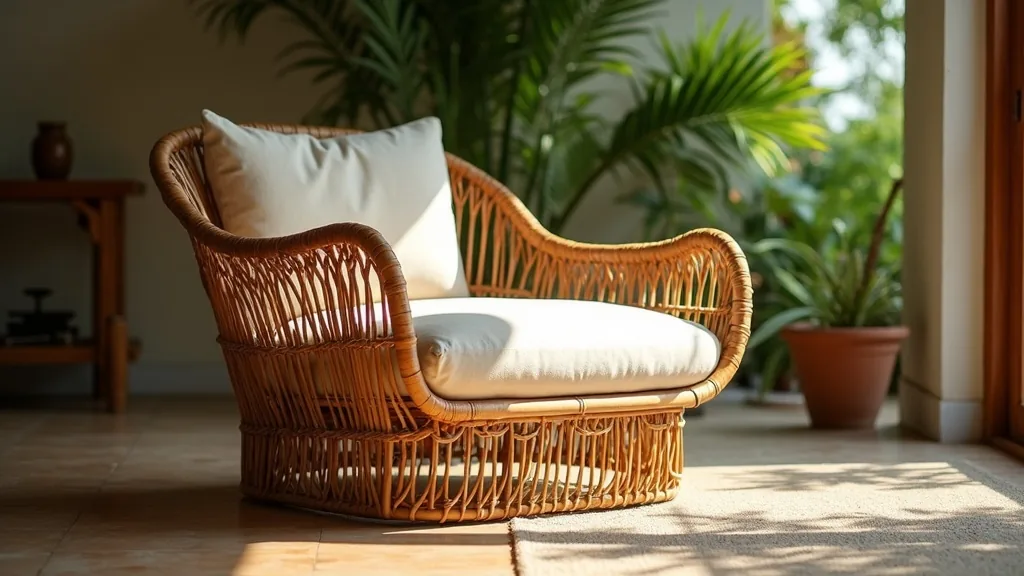
Six categories carry most indoor orders. Natural rotan poles form the frames, hand anyaman (weaving) fills seats and panels, and cane webbing — the open hexagonal mesh cut from rattan skin — fronts cabinet doors and headboards for the Scandinavian-fusion look retail buyers have chased hard since around 2023. Full-weave pieces skew boho; sunburst mirror walls and peacock chairs read tropical. All of it is mebel jadi — finished furniture, legal to export.
*Indicative examples only, as of 2026, subject to change. Real pricing is quote-based per piece and per spec from your item list — workshops in Bali and Cirebon price each design on frame material, weave density, and finish, and no standard industry price list exists.
How do you plan a mixed container using CBM?
The MOQ is not a piece count. It is a container that cubes out: you mix categories until the packed volume fills a 20ft or 40ft box, shipped FOB Semarang or Surabaya. The CBM column above is your planning number; here is what workable mixes look like:
Flat-pack ratios matter. Headboards and nested mirrors are volume-efficient fillers; bed frames and cabinets are the space eaters. A planned mix usually improves freight cost per piece compared with a single-category load of bulky items — which is why the quotation sheet shows packed CBM on every line.
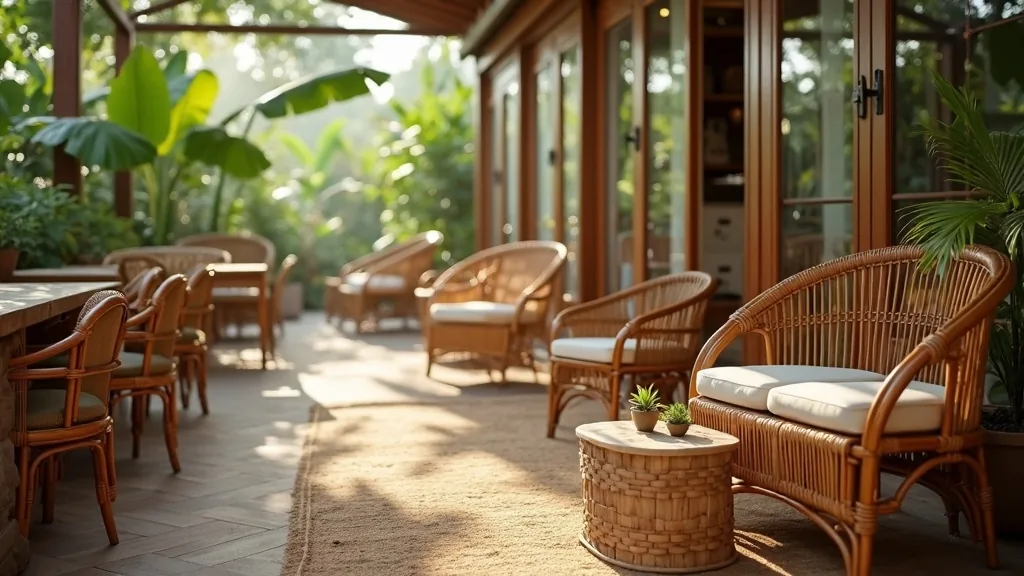
Why buy finished indoor furniture from Bali instead of sourcing raw rattan?
Because you cannot legally take the raw material out. Under Trade Regulation Permendag No. 38 of 2017, raw (unprocessed) rattan may not be exported from Indonesia, while semi-finished rattan and finished rattan furniture can. Then-Trade Minister Enggartiasto Lukita, speaking in Cirebon and reported by ANTARA News, stated that raw rattan cannot be exported but the semi-finished form is allowed. The rule keeps weaving and finishing value inside Indonesia: Cirebon in West Java remains the historic anyaman cluster, while Bali is the design-led finishing and ekspor hub, with most export warehouses concentrated in Jimbaran and Denpasar. Rattan policy has shifted before — an earlier ban was lifted, then re-evaluated — so treat the rule as current as of 2026, not permanent.
The scale behind it is real. BPS-Statistics Indonesia reports Bali Province exported goods worth US$634,496,917 in 2024. Multiple market studies forecast global rattan furniture growth through 2030–2033, with indoor cane-webbing lines riding the current boho and Scandinavian-fusion cycle.
Natural rattan, cane webbing, or synthetic — which belongs indoors?
For indoor lines, natural material wins on look and margin. The honest comparison:
We say this plainly because the reverse claim — natural rattan left outdoors in rain — fails in the field, and a returned container helps nobody.
-
Natural rattan (rotan)
solid poles, warm patina, repairable. Ideal for dining chairs, bed frames, peacock and accent pieces kept out of direct weather.
-
Cane webbing
sheet mesh from the rattan skin — the signature texture on cabinet doors and headboards. Wants stable indoor humidity and distance from heat sources.
-
Synthetic rattan (HDPE/PE)
weatherproof and UV-stable, the right call for terraces and pool decks, but its plastic hand-feel undercuts the premium indoor look most retail buyers are selling.
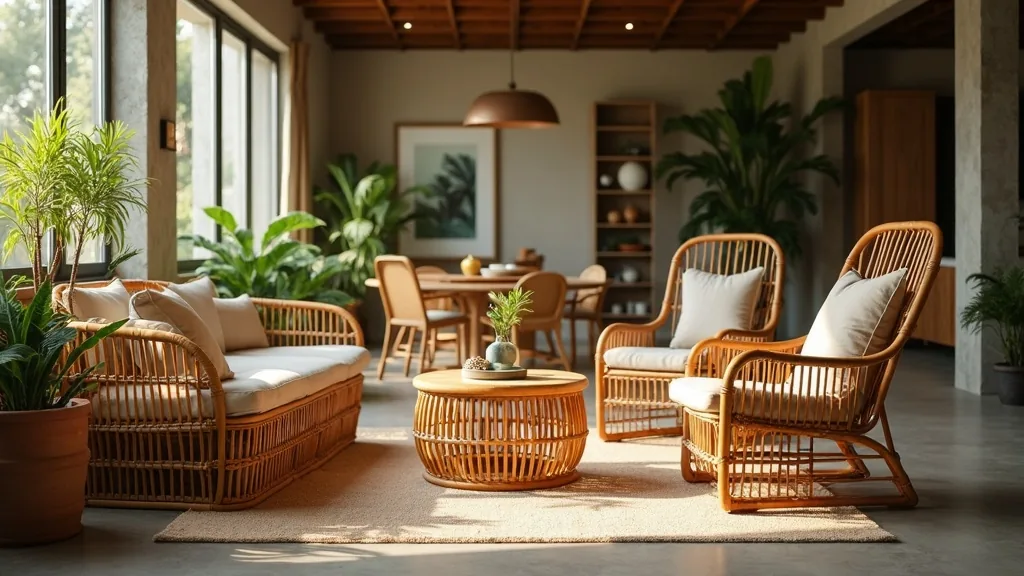
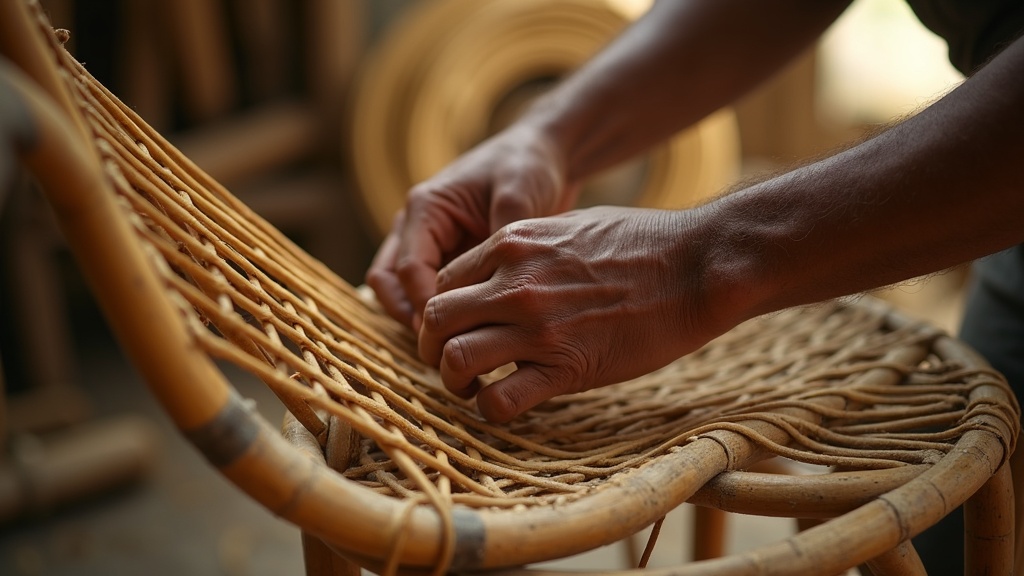
Bulk rattan furniture staged for a repeat order.
How does the wholesale order flow work?
Get a line-item quotation for your indoor container. Send your list — categories, quantities, target specs — to the Juara Holding Group export desk and use the form's cargo field (csh_cargo) for volumes. WhatsApp +62 811-3941-4563 or bd@juaraholding.com. Part of Juara Holding Group — an Indonesian group operating from Bali across Indonesia since 2015.
Frequently Asked Questions
Read the full FAQThe rest of the collection
Same desk, same container. Mix any of these into one load.
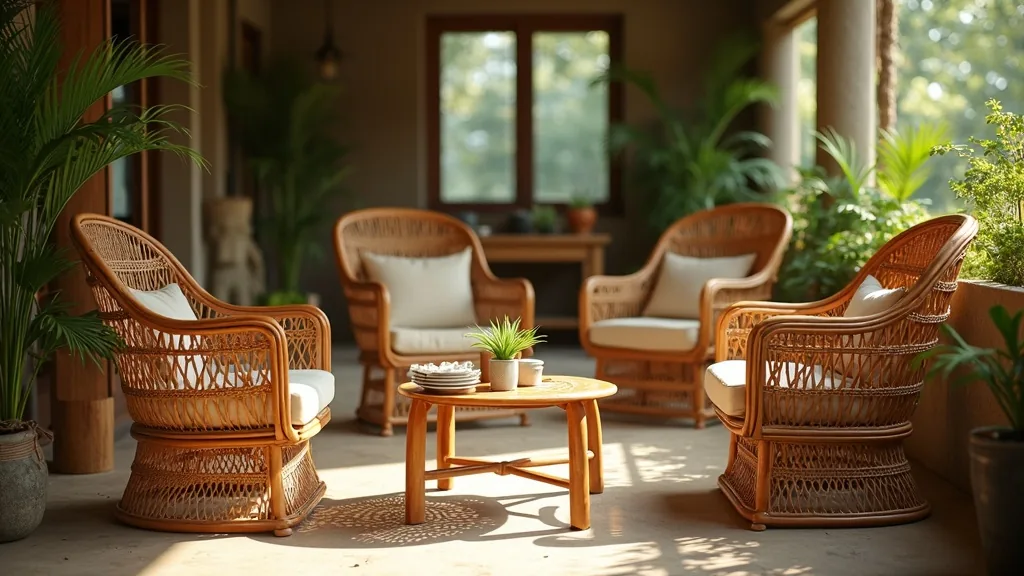

Send the spec, get a dated quote
Tell us the destination market, the pieces you want and roughly what volume. The desk replies within one business day, Bali hours.