
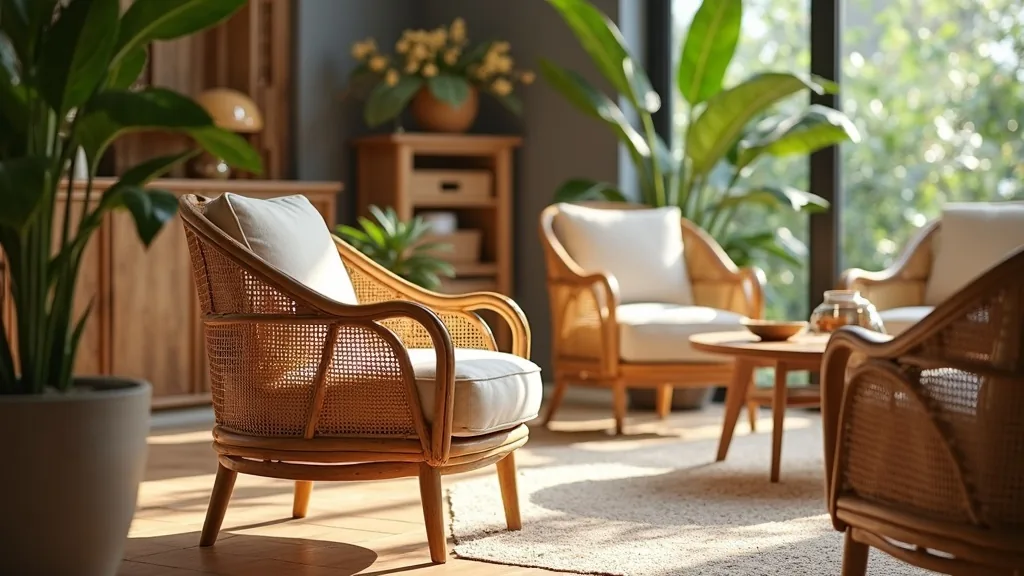
OEM and factory
Bali Rattan Furniture OEM Manufacturer | Private Label
A Bali rattan furniture OEM manufacturer turns your design — CAD file, 3D render, or inspiration photo — into a prototype, an approved golden sample, and full container production under your brand. Expect paid sampling, two to three iteration rounds, quote-based per-piece pricing, and NDA or exclusivity terms discussed per project rather than promised as blanket policy.
Much of that flow is mebel rotan built to a foreign buyer's own drawing and shipped FOB Semarang or Surabaya.
What Does a Bali Rattan Furniture OEM Manufacturer Actually Do?
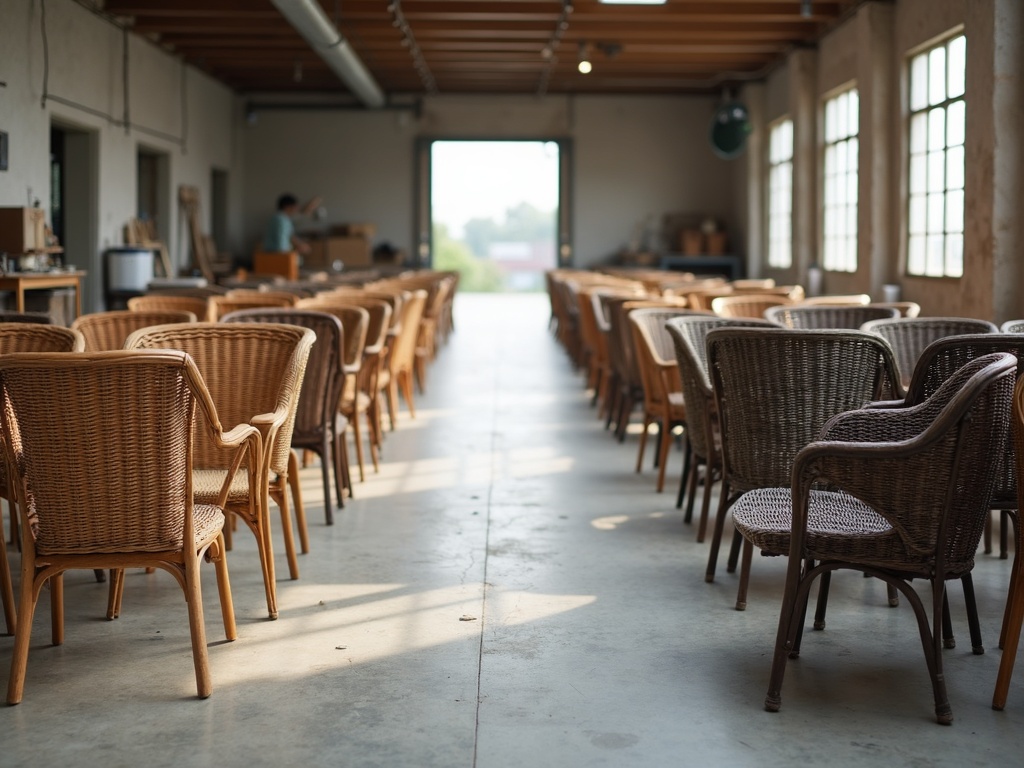
OEM — original equipment manufacturing — means the workshop builds your design, not its catalogue. In the Bali trade the split is practical: export warehouses and large suppliers cluster in Jimbaran and Denpasar, frame and weave production draws on Bali crews plus the historic anyaman cluster around Cirebon in West Java, and finishing plus quality control happen before loading.
Customization is normal here, not exotic. Bali furniture guides verify that most artisans will adjust dimensions, finishes, or colors to buyer specification, and advise providing diagrams or photos so the maker fully understands the requirement. OEM formalizes that habit into a documented pipeline: brief, prototype, golden sample, then production checked against it.
What Should Your OEM Design Brief Contain?
The stronger the brief, the fewer paid iterations. This is the ideal set:
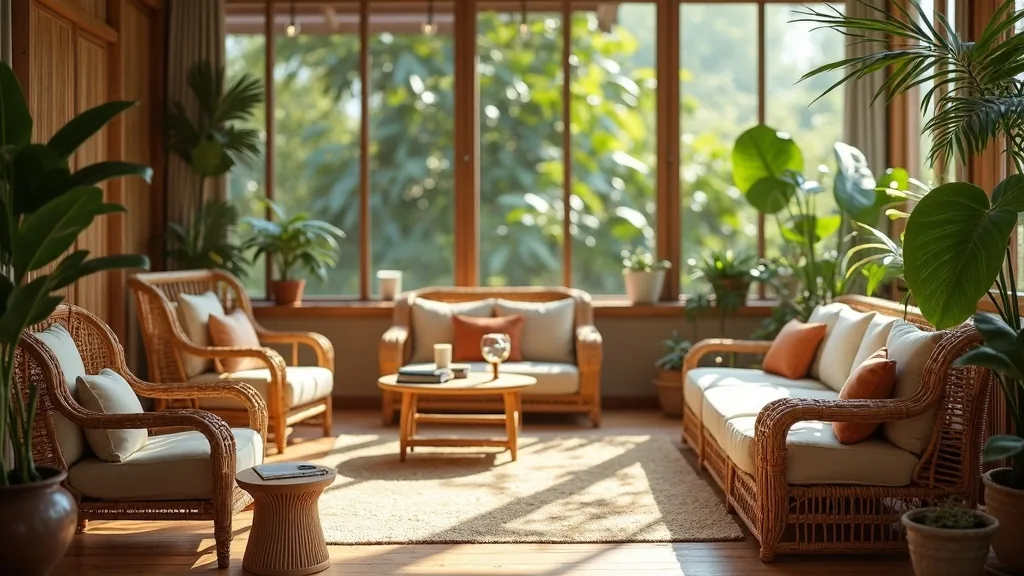
Mixed rattan furniture staged for container loading.
How Does an OEM Order Move From Brief to Container?
What Do OEM Fees and Sample Costs Look Like?
Every figure below is an indicative example only, as of 2026 and subject to change. No standard OEM fee schedule exists for Bali rattan furniture; real pricing is quoted per piece and per spec from your item list.
One honest note on fees: sample charges exist because a prototype consumes the same skilled labour as a production piece at batch-of-one cost. A workshop that samples free usually recovers it elsewhere.
How Is Your Design Protected?
Honestly: imperfectly — anyone promising otherwise is overselling. Responsible practice looks like this:
No guaranteed IP outcomes are offered here, because none can be honestly guaranteed.
-
NDA per project
Signed before detailed files are shared. It sets expectations, but cross-border enforcement is slow and costly — a deterrent, not a shield.
-
Exclusivity discussed, not assumed
Market-based or time-limited exclusivity can be negotiated for original designs; the outcome depends on volume commitment, agreed per project.
-
Register rights at home
An EU registered design or US design patent protects you where you actually sell — that layer is yours to build, not the workshop's.
-
Structural protection
Some buyers split components across suppliers or hold back the full collection; discuss whether that suits your piece.
How Many Iteration Rounds Should You Expect?
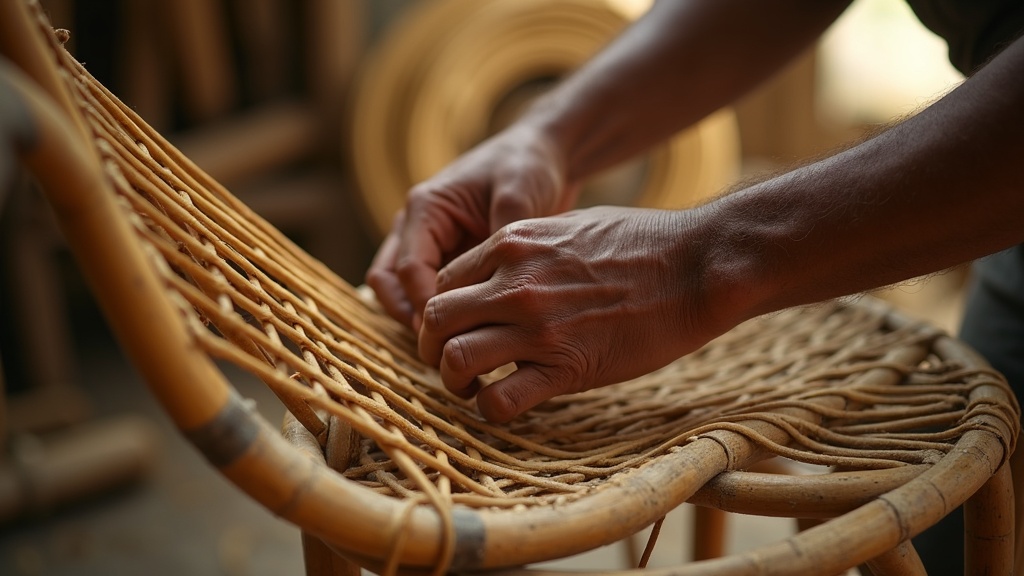
Plan for two, budget for three. The first prototype normally gets proportions and frame right but needs weave-density, cushion-fit, or finish-tone correction — anyaman is handwork, and two weavers produce visibly different tension from the same drawing. Review round one by photo and video, agree a written dimensional tolerance for hand-woven surfaces, and freeze all changes at golden-sample sign-off.
Why Does Indonesia's Raw-Rattan Rule Matter to an OEM Buyer?
Under Trade Regulation Permendag No. 38 of 2017, raw unprocessed rattan may not be exported from Indonesia, while semi-finished rattan and finished rattan furniture can — a rule then-Trade Minister Enggartiasto Lukita confirmed in Cirebon, as reported by ANTARA News. For an OEM buyer that is the structural advantage: raw material and anyaman skill stay locked in the same place, so your design is woven where the fiber grows. One caveat: rattan export policy has been politically contested before, so treat the rule as current as of 2026, not permanent.
Ready to Send Your Design Brief?
Attach CAD files, drawings, or photos. Feasibility review and the per-piece quotation from your item list are free.
The desk is run by Juara Holding Group, part of Juara Holding Group — an Indonesian group operating from Bali across Indonesia since 2015. Nothing is invoiced until you approve a written sampling plan.
Frequently Asked Questions
Read the full FAQThe rest of the programme
Built to your drawing, your label, your schedule.
Send the spec, get a dated quote
Tell us the destination market, the pieces you want and roughly what volume. The desk replies within one business day, Bali hours.