
Export desk
Bali Rattan Furniture Mixed Container Wholesale Guide
A mixed container is how most buyers order Bali rattan furniture wholesale: one 20ft or 40ft box combining rattan seating, teak pieces, baskets and decor from several workshops, consolidated at a Bali cargo point and exported under one declaration, FOB Semarang or Surabaya. The MOQ is the container that cubes out; pricing is quote-based per piece.
- Loading FOB
- Semarang or Surabaya
- Container
- 20ft, 40ft or mixed
- Documents
- Invoice, B/L, COO, fumigation
- Reply
- One business day, Bali hours
You do not need 300 identical chairs to import from Bali — just a container that fills efficiently: mebel rotan from one workshop, teak benches from another, anyaman baskets from a third, stuffed at one warehouse.
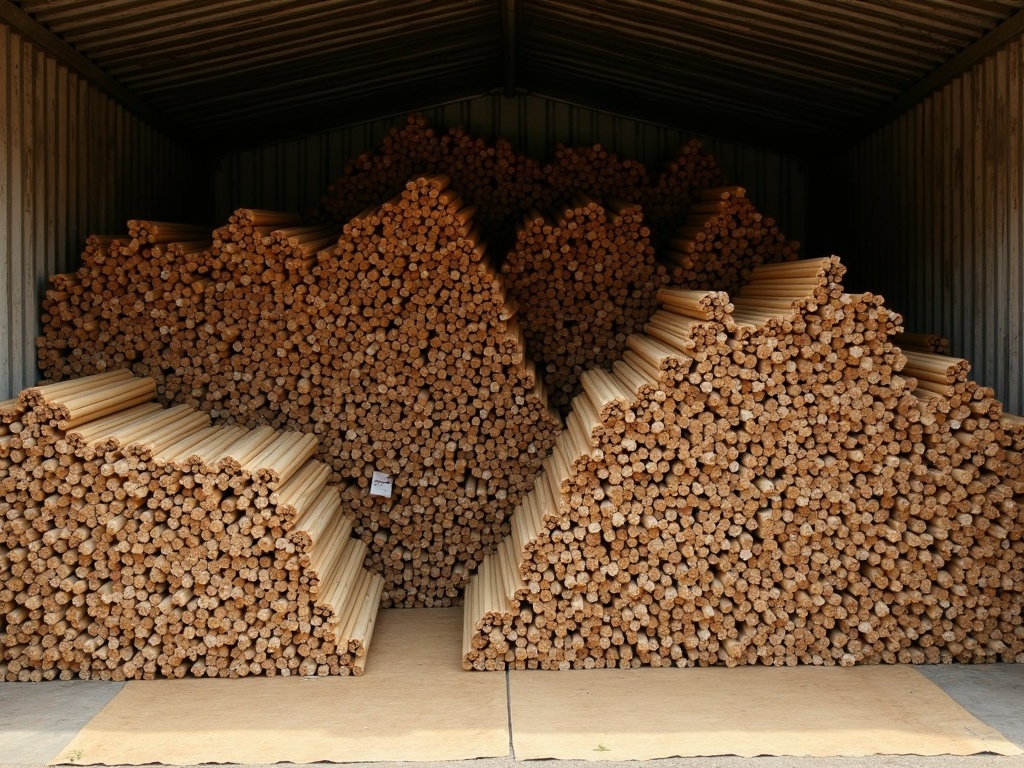
Why Is a Mixed Container the Smart Way to Buy From Bali?
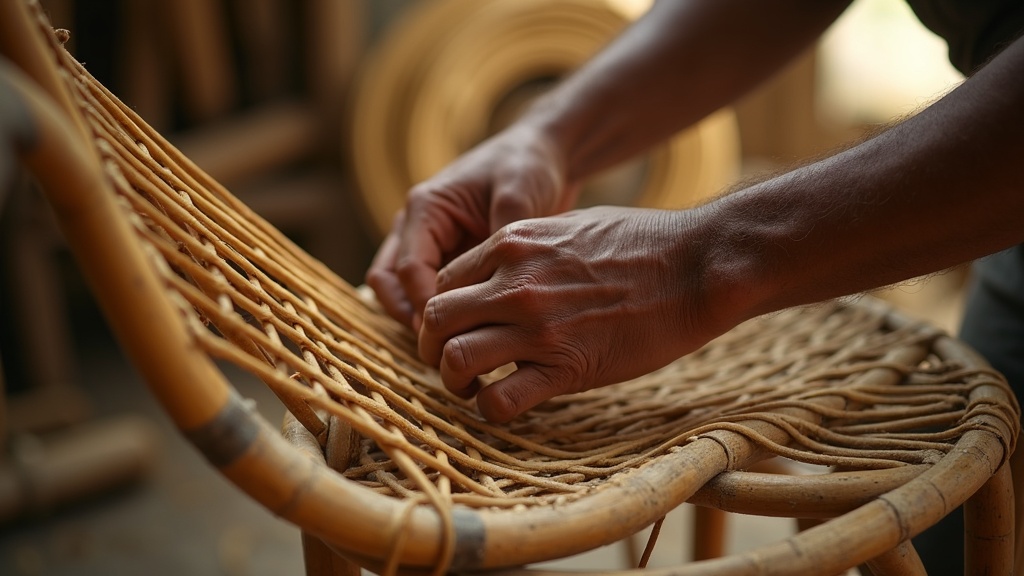
Because Indonesia deliberately keeps the weaving at home. Under Trade Regulation Permendag No. 38 of 2017, raw (unprocessed) rattan may not be exported from Indonesia, while semi-finished rattan and finished furniture can. Then-Trade Minister Enggartiasto Lukita, speaking in Cirebon in remarks carried by ANTARA News, confirmed the split: raw fiber stays, worked rattan ships. The policy — still in force as of 2026, though export rules have shifted before — keeps weaving and finishing value inside Indonesia, the structural edge behind finished Bali rattan's landed cost.
The trade is broad. BPS-Statistics Indonesia reports Bali Province exported goods worth US$634,496,917 in 2024.
The catch: no single workshop makes everything. Weaving clusters sit in Cirebon (West Java), frame and finishing workshops across Bali and the Pasuruan–Sidoarjo corridor, basket makers in their own villages. A retailer who wants 40 dining chairs, 12 loungers, 80 baskets and 30 pendant shades cannot buy that at one factory gate. A consolidated mixed container solves it.
What Can Go Into One Mixed Container?
Almost any combination of furniture, handicraft and decor that clears Indonesian export rules:
Two honest notes. Natural rotan is a plant fiber — beautiful and repairable, but not built for year-round rain; sell it indoors or under cover, and specify HDPE weave on aluminium outdoors. Any wooden component falls under SVLK, Indonesia's timber-legality scheme, mandatory for wood-furniture exports since 1 January 2015; wooden items also need fumigation certificates, plus phytosanitary paperwork for some destinations.
What Does a Mixed Container Cost?
There is no standard industry price per container — every load is priced piece by piece from your item list. The figures below are indicative examples only, as of 2026 and subject to change, for mixed loads assembled by workshops in Bali and Cirebon:
Logistics guides put Bali-to-Germany shipments at 6–10 weeks including production, packing and sailing; Bali-to-Australia sea freight usually runs 2–6 weeks. Air freight almost never pays for bulky woven furniture.
Your real quotation is built from your item list: model, dimensions, weave type, frame material, finish, quantity. Two containers with the same cube can differ by tens of thousands of dollars.
How Does Multi-Workshop Consolidation Work?
Most Bali export warehouses and large-scale furniture suppliers sit in Jimbaran and Denpasar, close to the cargo agents. Finished goods travel from each workshop — Bali finishing shops, Cirebon weaving houses, Java frame makers — to one cargo point there, where the load is inspected piece by piece, wrapped, and stuffed into a single container.
The paperwork is the quiet advantage. A mixed handicraft load ships under one export declaration, with one document set covering everything inside: commercial invoice, packing list, bill of lading, certificate of origin and the Indonesian export declaration, plus fumigation and SVLK papers for wooden pieces. German customs, for instance, want detailed product descriptions, declared values and origin certificates — one consolidated file answers all of it. Containers sail FOB Semarang or Surabaya. EU-bound loads also face European safety rules, including flame-retardancy and chemical-content restrictions; if wood is involved, the shipment can fall in EUDR scope, so ask for the document trail early.
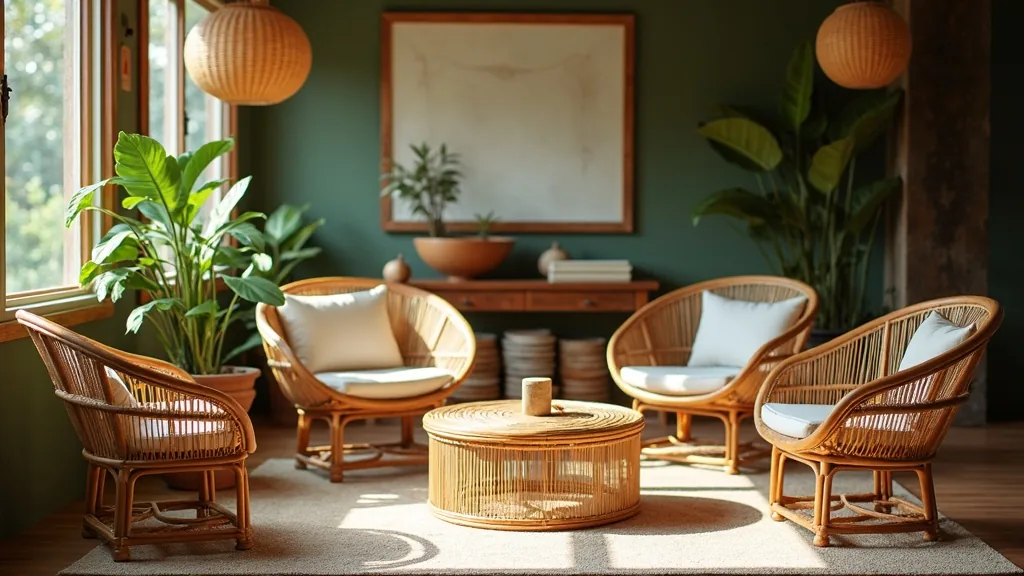
A 20ft container being cubed out with rattan furniture.
How Do You Build Your Mixed Container?
When every line below has an answer, you have a real RFQ — not a vague enquiry.
That completed list is your RFQ. Send it as-is; the quotation comes back per piece, per spec.
How Does Ordering Work, From RFQ to Sailing?
> Build your mixed container. Send your draft item list — even a rough one — and get a per-piece FOB quotation with a cube plan. WhatsApp +62 811-3941-4563, email bd@juaraholding.com, or use the enquiry form on the contact page. The desk is operated by Juara Holding Group, part of Juara Holding Group — an Indonesian group operating from Bali across Indonesia since 2015.
Frequently Asked Questions
Read the full FAQThe rest of the export desk
Container maths, minimums and paperwork, one page each.

Send the spec, get a dated quote
Tell us the destination market, the pieces you want and roughly what volume. The desk replies within one business day, Bali hours.