
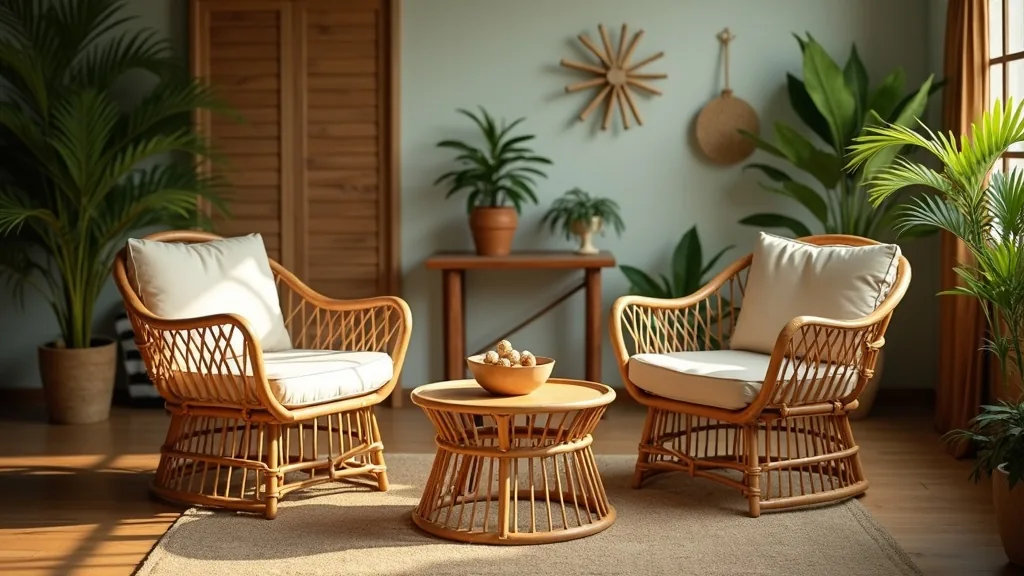
OEM and factory
Custom Bali Rattan Furniture Wholesale | OEM Made-to-Order
Custom Bali rattan furniture wholesale works on a made-to-order basis: you send drawings, photos, or a reference piece; workshops in Bali and Cirebon adjust dimensions, weave patterns, finishes, and colors to your specification; and pricing is quoted per piece from your item list. Minimums are set per project — typically a mixed 20ft or 40ft container that cubes out.
That is not sales talk. Bali furniture guides verify that most artisans happily adjust dimensions, finishes, or colors to buyer specification — provided you send diagrams or photos so the maker fully understands the requirement. In the rotan trade, made-to-order is the default mode, not a premium add-on.
What Can You Actually Customize on Wholesale Rattan Furniture?
Six levers, roughly in order of how much they move your quote:
One honesty note: there is no standardized industry code for weave grades — no universal "Grade A/B/C" that means the same thing across suppliers. Custom quality is fixed by photo reference and a physical counter-sample, never by a letter grade on a price sheet.
How Does Custom Pricing Work, and What Do Pieces Roughly Cost?
Every custom order is quoted per piece, per specification, from your item list. The figures below are indicative examples only, as of 2026 and subject to change — budget sanity-checks, not promised prices.
Actual pricing lands only after a workshop reviews your drawings, because two chairs with the same silhouette can differ by double the labor hours depending on weave density. Loading is FOB Semarang or Surabaya; the minimum is a mixed 20ft or 40ft container that cubes out, and custom and catalog pieces can share one load. Custom weaves and colors carry their own per-project minimums — a bespoke color batch needs enough pieces to justify a dedicated finishing run, and the workshop states that number in the quotation.
What Is the Sample and Color-Matching Flow?
No serious buyer approves a container from a JPEG. The flow uses physical references at every decision point:
Color-matching boards matter because natural rotan varies in tone from batch to batch: a signed-off physical board, not a screen color, becomes the reference the finishing team works against. Sample fees, and any crediting against the order, are set per project in the quotation.

Export paperwork prepared at the desk in Bali.
How Does a Custom Order Run From Drawing to Container?
For planning, logistics guides put Bali-to-Germany rattan shipments at 6–10 weeks total including production, packaging, and sea freight; Bali-to-Australia sea legs typically run 2–6 weeks. Complex custom weaves sit at the long end of those windows.
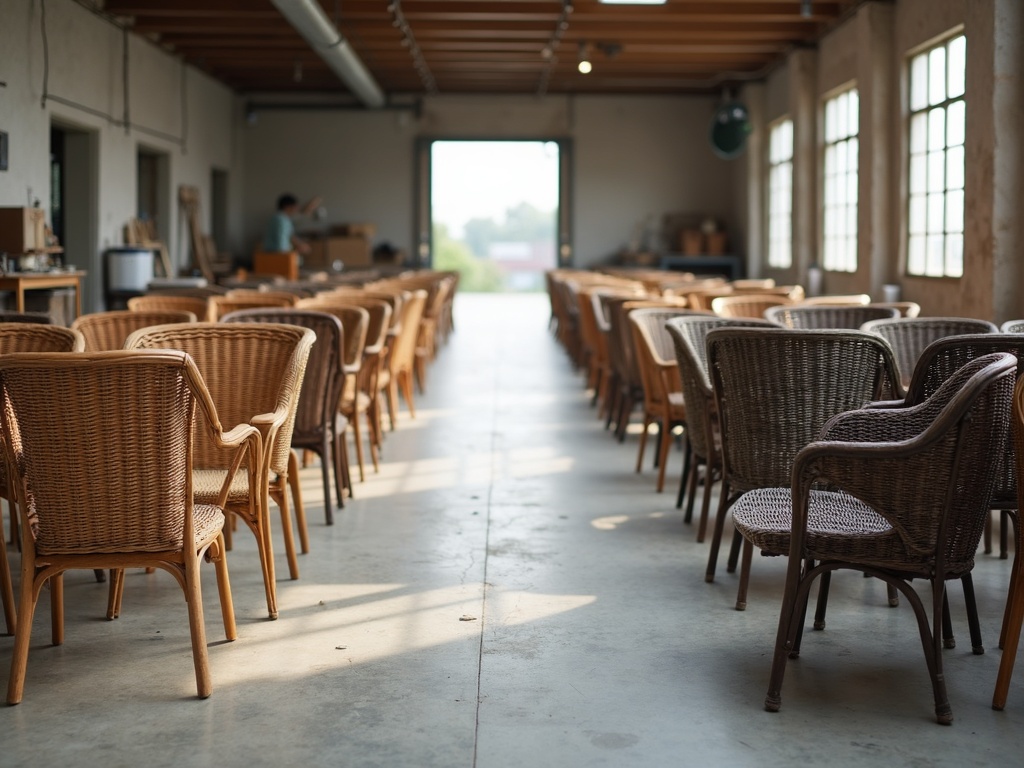
Can You Order Hospitality and Contract-Grade Custom Furniture?
Yes — hotels, villa groups, and restaurant fit-outs are where custom capability earns its keep. Contract projects add three requirements retail orders rarely face: batch uniformity across hundreds of pieces, a documented spec so replacements match years later, and destination compliance. EU-bound contract furniture must meet European plant-health rules plus safety standards including flame-retardancy and chemical-content restrictions; German customs expect detailed product descriptions, declared values, and country-of-origin certificates. For pool decks and open terraces, specify HDPE weave on aluminum — natural rattan is honest only for indoor and covered areas.
Why Does Indonesia's Raw-Rattan Rule Matter for Custom Buyers?
Under Trade Regulation Permendag No. 38 of 2017, raw unprocessed rattan may not be exported from Indonesia, while semi-finished rattan and finished furniture can — a rule then-Trade Minister Enggartiasto Lukita confirmed in Cirebon, as reported by ANTARA News. The practical effect: the deepest bench of rattan weavers works next to the raw material, in the Cirebon cluster and Bali's finishing workshops around Denpasar and Jimbaran, so your pattern is executed at the source rather than by an offshore assembler. Export policy has shifted before — treat this as the position as of 2026, not a permanent guarantee.
> Ready to quote a custom spec? Send drawings, photos, or a reference-piece list with quantities to the Juara Holding Group export desk — WhatsApp +62 811-3941-4563 or bd@juaraholding.com — for feasibility feedback and a per-piece quotation, not a form-letter price list. Part of Juara Holding Group, an Indonesian group operating from Bali across Indonesia since 2015.
Frequently Asked Questions
Read the full FAQThe rest of the programme
Built to your drawing, your label, your schedule.
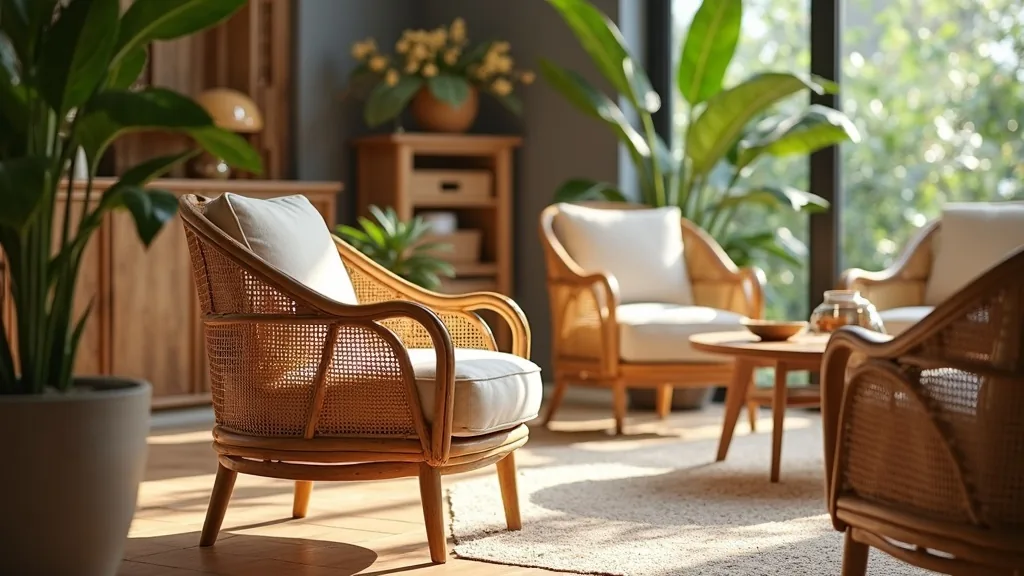
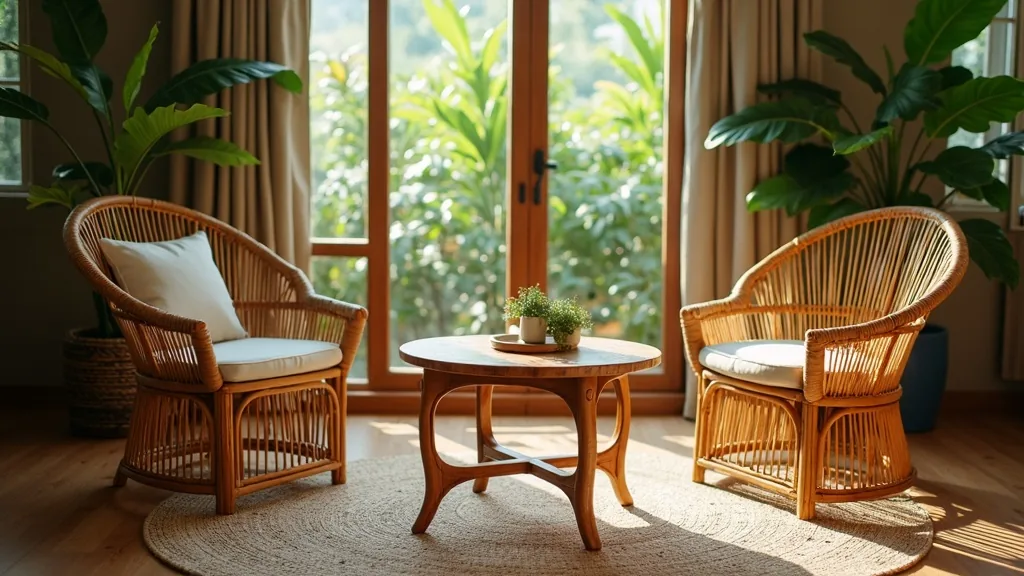
Send the spec, get a dated quote
Tell us the destination market, the pieces you want and roughly what volume. The desk replies within one business day, Bali hours.