
Collections
Bali Rattan Dining Chair Wholesale: Styles, Specs & MOQ
Bali rattan dining chair wholesale orders ship as mixed 20ft or 40ft containers, FOB Semarang or Surabaya, with cane-back or full-weave seats on teak, mahogany, or mindi frames. Pricing is quote-based per piece and spec — indicative examples run USD 28–95 as of 2026 — and SVLK documentation covers the wood components.
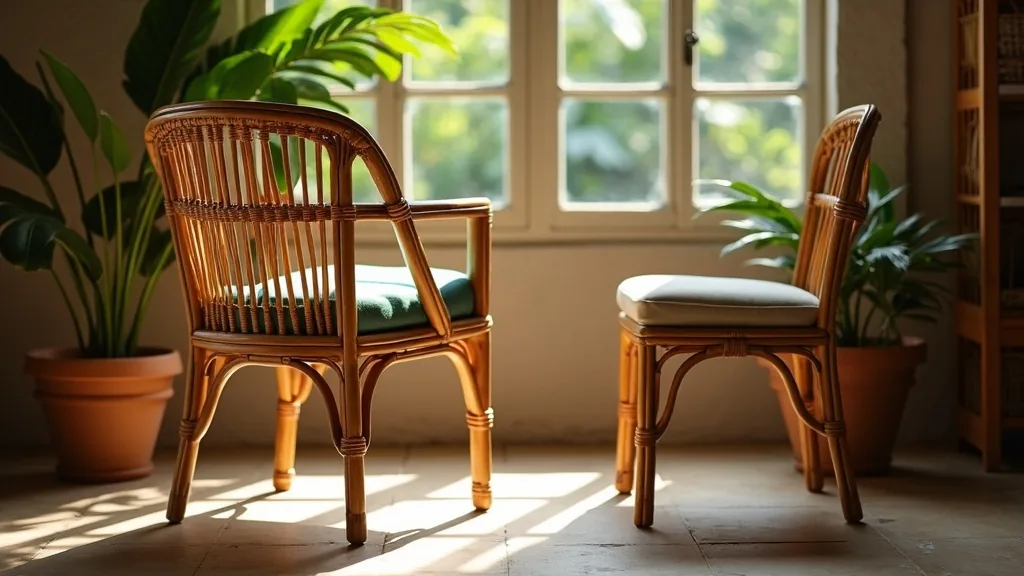
That is the answer in one breath. The detail below covers what importers, restaurant groups, and hotel procurement teams actually ask before committing a container: which weave styles survive daily service, what dimensions to lock in, what the paperwork looks like, and how a dining-set quotation moves from item list to bill of lading. Most large-scale Bali suppliers warehouse in Jimbaran and Denpasar, while the anyaman (weaving) skill behind the chairs traces to Cirebon in West Java, the historic rattan cluster.
Which Dining Chair Styles Do Bali Workshops Weave for Export?
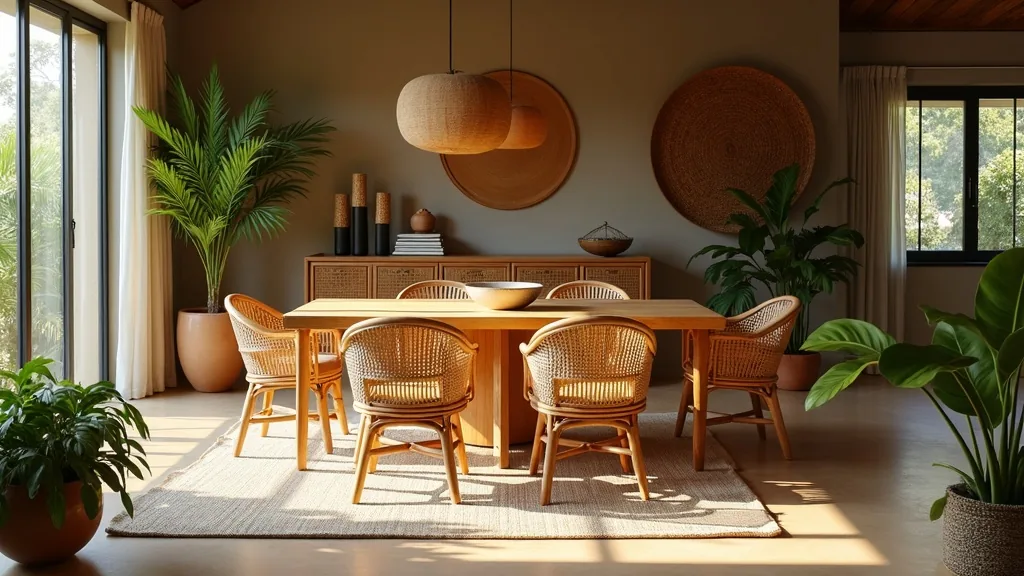
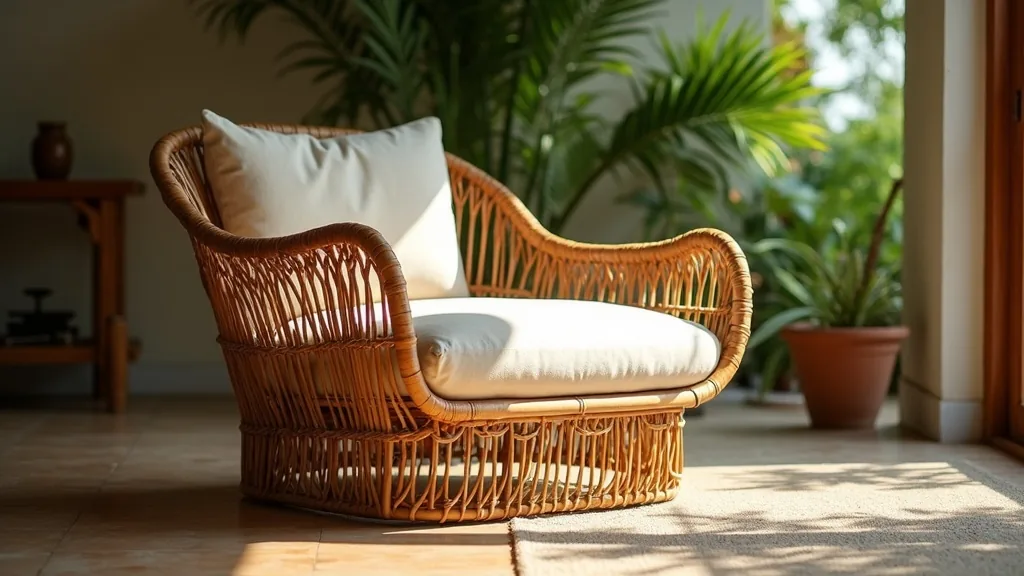
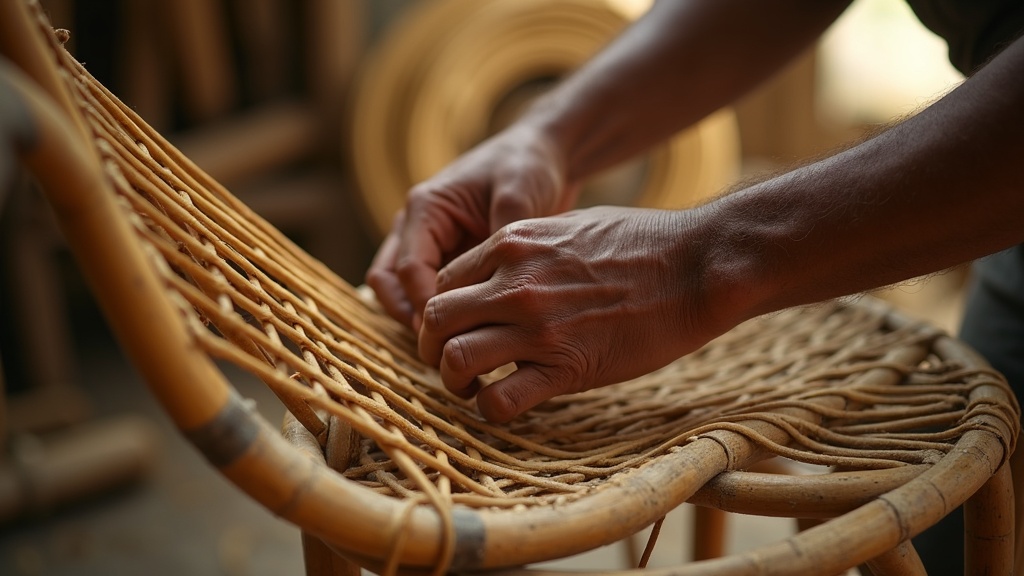
Four constructions cover nearly every wholesale dining brief.
One honest distinction up front: natural rattan does not tolerate rain or direct sun. It dries, cracks, and the binding loosens. For any dining terrace that takes weather, specify HDPE or PE synthetic weave on a powder-coated frame — it costs more per chair but lives outdoors in a way natural fiber never will. Natural rattan belongs indoors or under a solid roof.
What Dimensions and Load Ratings Should Buyers Specify?
Bali workshops build to drawing, so "standard" really means "commonly ordered." These are the ranges most export dining chairs fall into:
On load capacity, the honest position: a well-built dining chair on a hardwood frame handles roughly 100–120 kg in normal static use, but no workshop holds a blanket certified rating. The wear point in restaurant service is the woven seat panel, not the frame — cane webbing that is fine at home fatigues under 200 covers a night. For contract volume, specify a solid timber seat with a woven back, or double-bound cane, and if your project requires certified contract seating (EN 16139 in Europe, for example), budget third-party testing on your production batch rather than expecting an off-the-shelf certificate.
Which Frame Materials Carry SVLK Documentation?
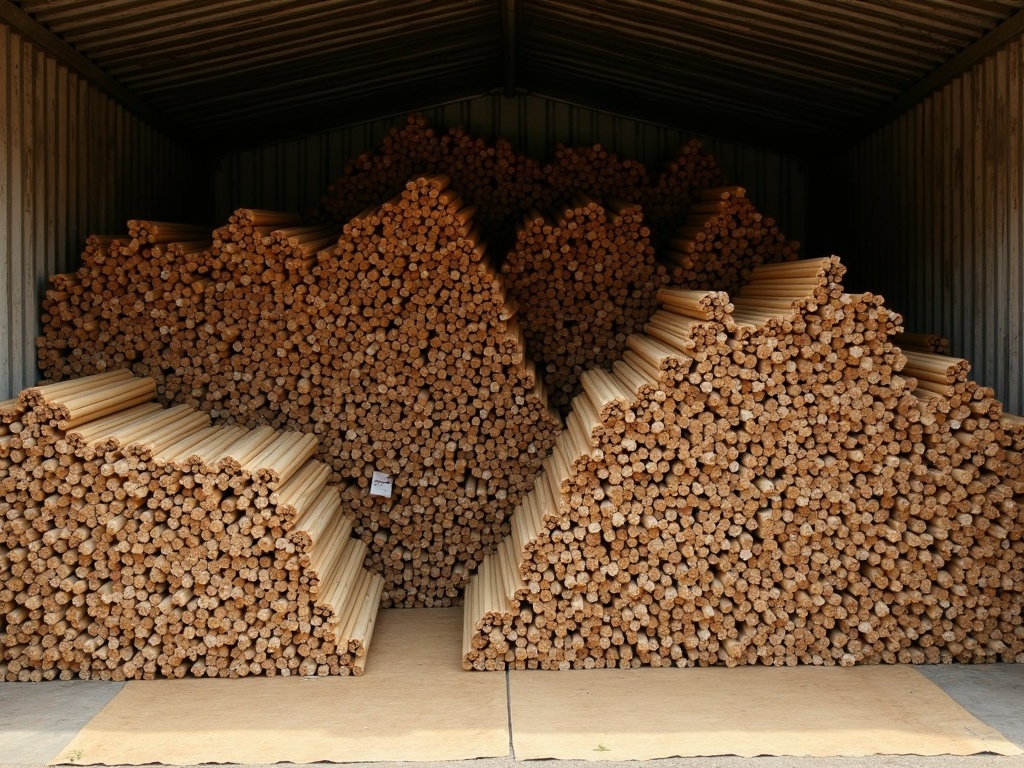
Teak, mahogany, and mindi are the three timbers Bali dining chairs are usually framed on — teak for weight and durability, mahogany for stable machining and a fine finish, mindi as the value option that takes stain well. Since 1 January 2015, SVLK (Sistem Verifikasi Legalitas Kayu) timber-legality verification has been mandatory for Indonesian wood-furniture exports, and it applies to the wood components of your chairs; published sources do not extend SVLK to the rattan fiber itself. Wooden furniture also requires a fumigation certificate, and phytosanitary certificates apply on some destinations. EU-bound orders may fall within EUDR scope where wood is present — the workable stance is to prepare documentation early on every order, not to sell certainty.
What Do Wholesale Rattan Dining Chairs Cost per Piece?
No verified industry-standard price list exists for Bali rattan dining chairs — every figure is negotiated per specification. The numbers below are indicative examples only, as of 2026 and subject to change; real pricing is quoted per piece from your item list.
Quantity moves the number at three thresholds. A trial order rides inside a mixed container alongside tables and benches — the working MOQ is simply a 20ft or 40ft container that cube-outs, not a fixed piece count. A dedicated 20ft of dining chairs earns the first real tier discount; a 40ft or a repeat contract schedule earns the second, because workshops in Bali and Cirebon can plan cane buying and weaving labor across the whole run. Lead time Bali to Germany typically runs 6–10 weeks including production, packaging, and shipping, per logistics guides; sea freight Bali to Australia usually takes 2–6 weeks.
Why Does Indonesia's Raw-Rattan Ban Matter to Chair Buyers?
Under Trade Regulation Permendag No. 38 of 2017, raw unprocessed rattan may not be exported from Indonesia, while semi-finished rattan and finished rattan furniture can. Then-Trade Minister Enggartiasto Lukita, speaking in Cirebon and reported by ANTARA News, confirmed the split: raw fiber stays home, finished goods travel. For a dining chair buyer this is the structural advantage — the world's largest rattan supply must be woven and finished inside Indonesia, so the deepest bench of chair-weaving skill sits exactly where you are buying. One caveat keeps this honest: rattan export policy has been politically contested before and could shift, so treat it as current as of 2026.

Export paperwork prepared at the desk in Bali.
How Does a Dining-Set Quotation Work?
Get a dining-set quotation. Send your chair list — style, quantity, timber, finish — to the Juara Holding Group export desk and receive a per-piece quote with a container cube-out plan. WhatsApp +62 811-3941-4563, email bd@juaraholding.com, or use the enquiry form on the contact page. Part of Juara Holding Group, an Indonesian group operating from Bali across Indonesia since 2015.
Frequently Asked Questions
Read the full FAQThe rest of the collection
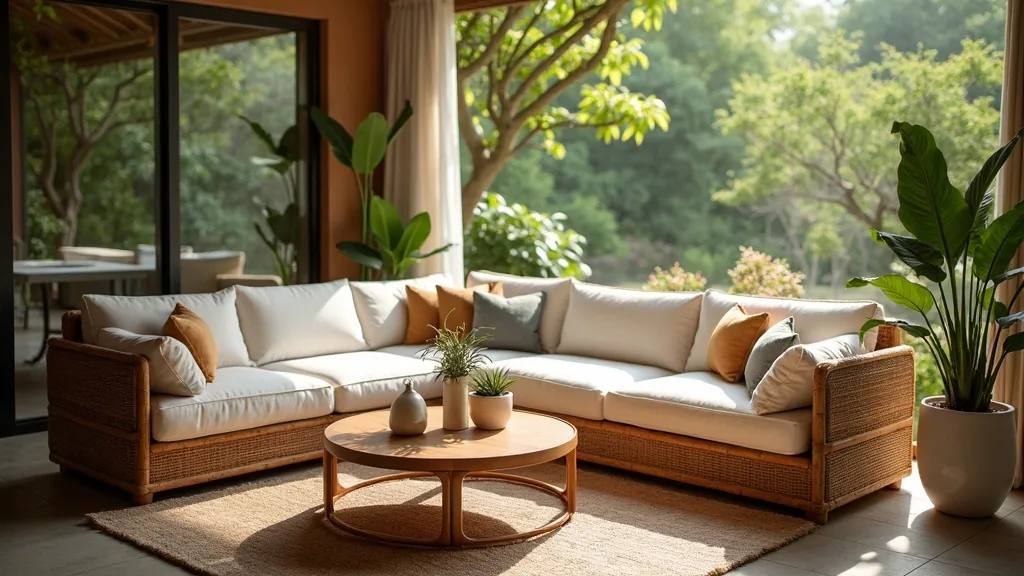
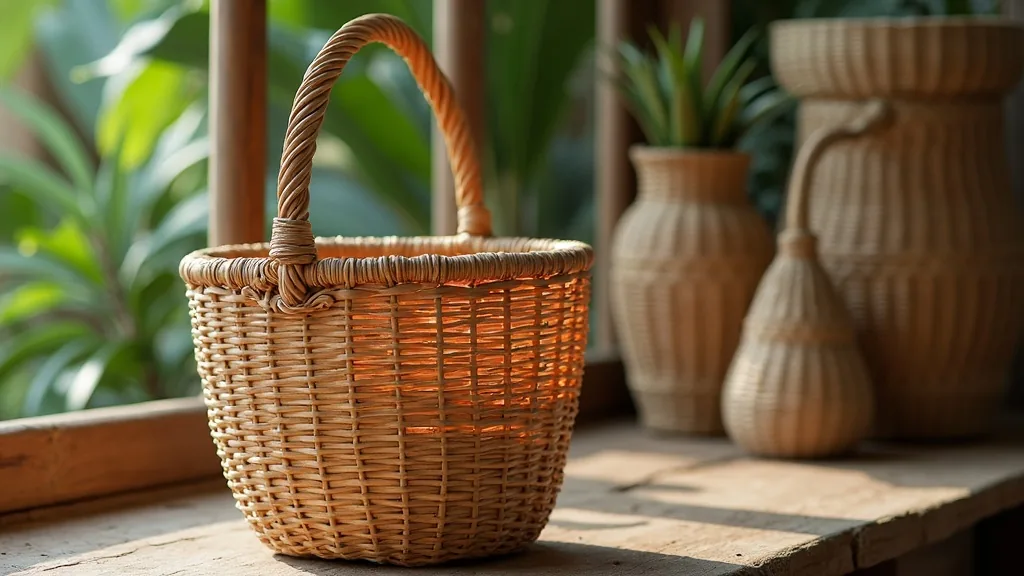
Same desk, same container. Mix any of these into one load.
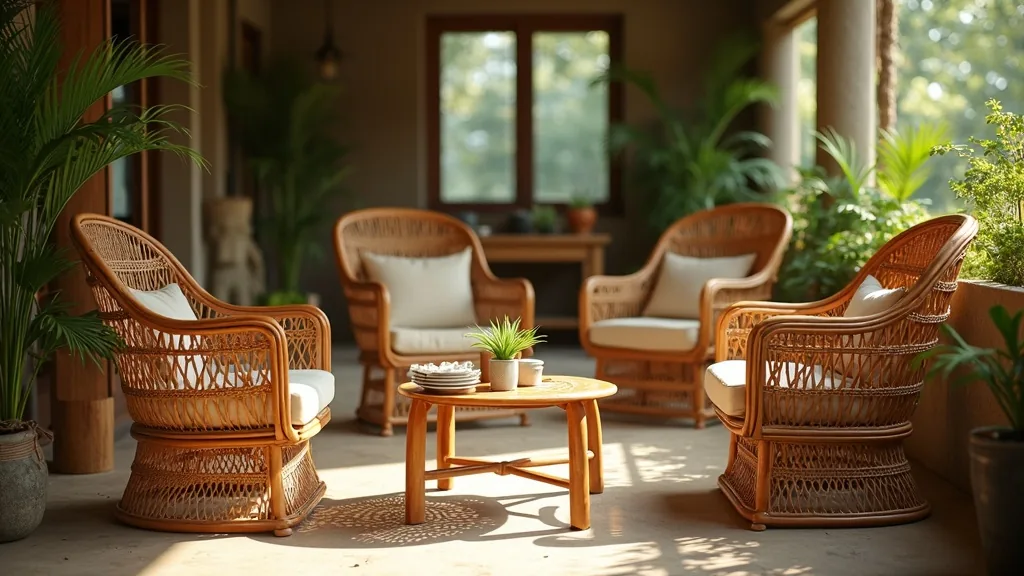
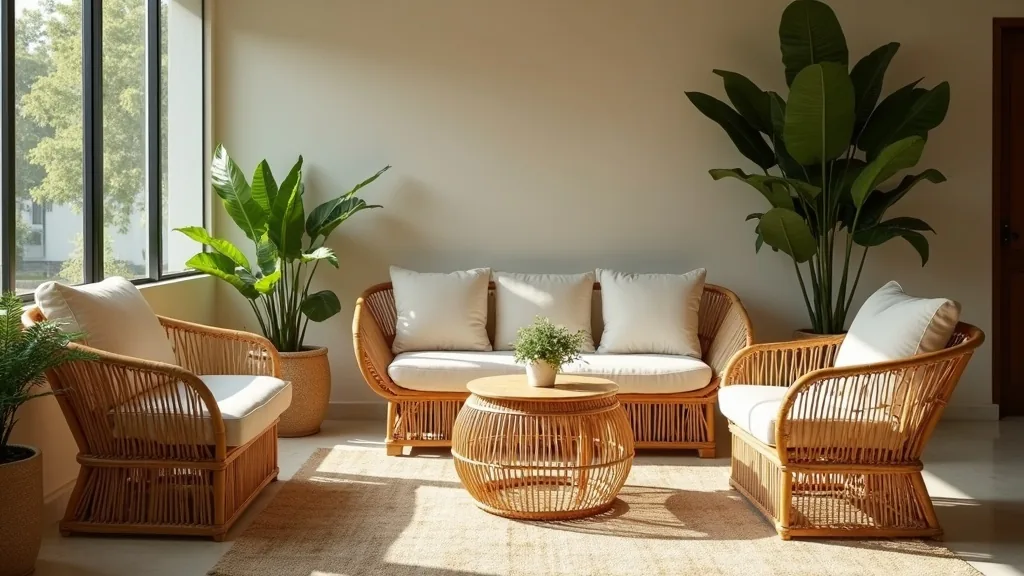
Send the spec, get a dated quote
Tell us the destination market, the pieces you want and roughly what volume. The desk replies within one business day, Bali hours.