
Collections
Bali Rattan Basket Wholesale from Bali | Line Sheet & MOQ
Bali rattan basket wholesale from Bali works one of two ways: order baskets as their own line, or use nesting sets to fill the air space inside a furniture container you already booked. Pricing is quote-based per piece and spec — send an item list, get FOB Semarang or Surabaya numbers within days.
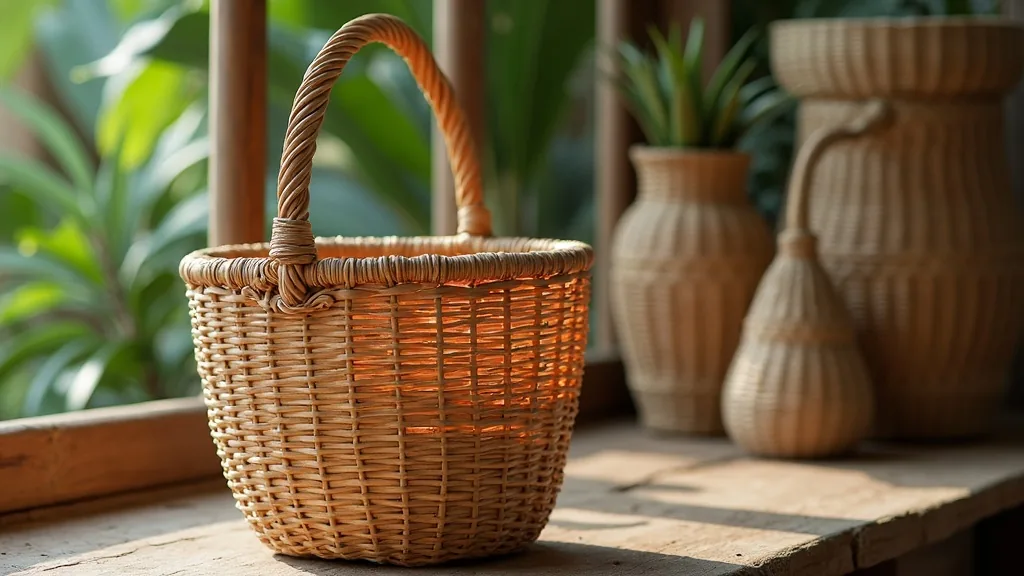
What Counts as a Wholesale Rattan Basket Line from Bali?
Keranjang — baskets — earn more per cubic meter than almost anything else leaving Bali's export warehouses in Jimbaran and Denpasar. The weaving (anyaman) comes from the same workshops in Bali and Cirebon that produce furniture lines, worked in natural rattan, seagrass, water hyacinth, and banana bark, sometimes over a rattan-core or wire frame.
The raw material stays cheap at the source for a structural reason. Under Trade Regulation Permendag No. 38 of 2017, raw rattan may not be exported from Indonesia, while finished woven goods ship freely. Then-Trade Minister Enggartiasto Lukita, speaking in Cirebon and reported by ANTARA News, confirmed the split: raw cane stays home, semi-finished and finished products go. The policy has shifted before, so read it as current as of 2026, not permanent.
Every figure below is an indicative example only, as of 2026 and subject to change. Real pricing is quote-based per piece and per spec, built from your item list.
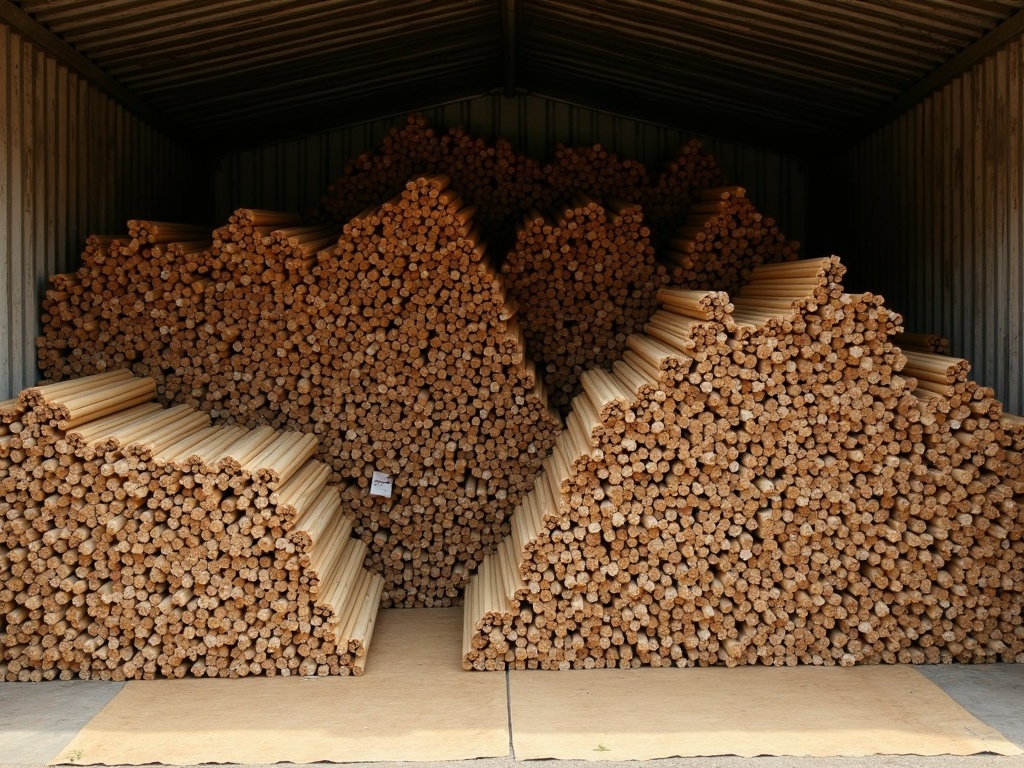
Why Are Nesting Basket Sets the Smartest Container Filler?
A 20-foot container gives you roughly 26–28 usable CBM; a 40-footer, roughly 55–60. Furniture almost never fills that cleanly. Stacked lounge chairs leave pyramids of dead air under the seats, sofa frames ship with hollow cavities, and flat-packed table tops leave a slab of space above the stack. Every empty cubic meter is freight you paid for and cannot sell.
Baskets fix the arithmetic because they nest. A set of five graduated storage baskets collapses into little more than the footprint of its largest piece. As a working example — indicative only, as of 2026 — a poly-wrapped bale of five nested rattan baskets runs around 0.10–0.15 CBM and might quote at USD 18–30 FOB as a set. Thirty such bales tuck into three to four CBM of voids that would otherwise ship as air. At typical retail multiples for woven decor, that recovered space often out-earns the furniture around it, CBM for CBM.
That is why buyers treat keranjang as the margin layer of the load, not an afterthought.
How Do You Pair Baskets with a Furniture Order?
Send the desk your furniture packing plan — or just the order confirmation — and ask for an add-to-container proposal. The pairing logic is simple: match each void type in the load to a basket form that fills it without adding crush risk.
Baskets are quoted on the same pro-forma invoice as the furniture and loaded at the same FOB port, Semarang or Surabaya. Basket-only containers work too — a mixed 20-footer that cubes out across categories is the usual frame for a first order.
What Documents and Treatment Do Woven Baskets Need?
Customs authorities treat woven fiber goods as plant-based products. Wooden furniture requires fumigation certificates, and phytosanitary certificates apply to plant-based and wooden items depending on destination — baskets sit squarely in that second category. Standard practice from Bali is fumigation of the loaded container, with the certificate issued into the usual export set: commercial invoice, packing list, bill of lading, certificate of origin, and the Indonesian export declaration.
Two edge cases matter. First, baskets with wooden components — a teak lid, a mindi base — pull that wood part under SVLK, Indonesia's timber-legality verification, mandatory for wood and wood-furniture exports since 1 January 2015. The rattan fiber itself is not explicitly SVLK-scope; the wood component is. Second, German customs require detailed product descriptions, value declarations, and country-of-origin certificates, and EU-bound goods must meet EU plant-health rules — flag it early if your containers land in Hamburg or Rotterdam.
The paperwork lanes are well worn.
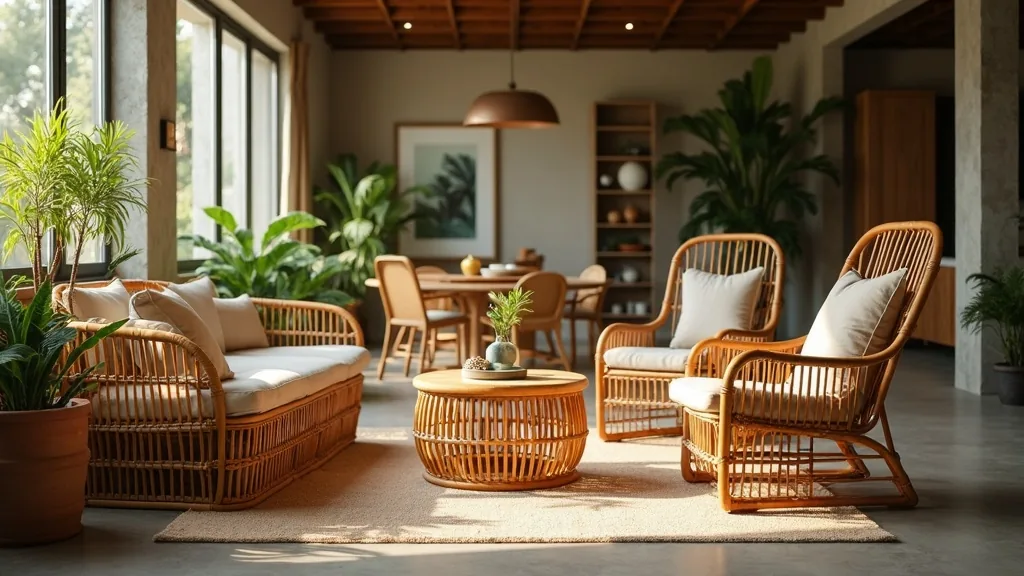
Bulk rattan furniture staged for a repeat order.
How Does a Basket Wholesale Order Work, Step by Step?
Bali-to-Germany shipments typically run 6–10 weeks all-in, including production, packing, and sea freight. Bali to Australia by sea usually takes 2–6 weeks.
> Add baskets to your container. Send your furniture order — or a first enquiry — to the Juara Holding Group desk and ask for the basket line sheet. WhatsApp 6281139414563, email bd@juaraholding.com, or use the enquiry form on the contact page. Quotes are per piece, per spec, from your item list. Part of Juara Holding Group — an Indonesian group operating from Bali across Indonesia since 2015.
Frequently Asked Questions
Read the full FAQThe rest of the collection
Same desk, same container. Mix any of these into one load.
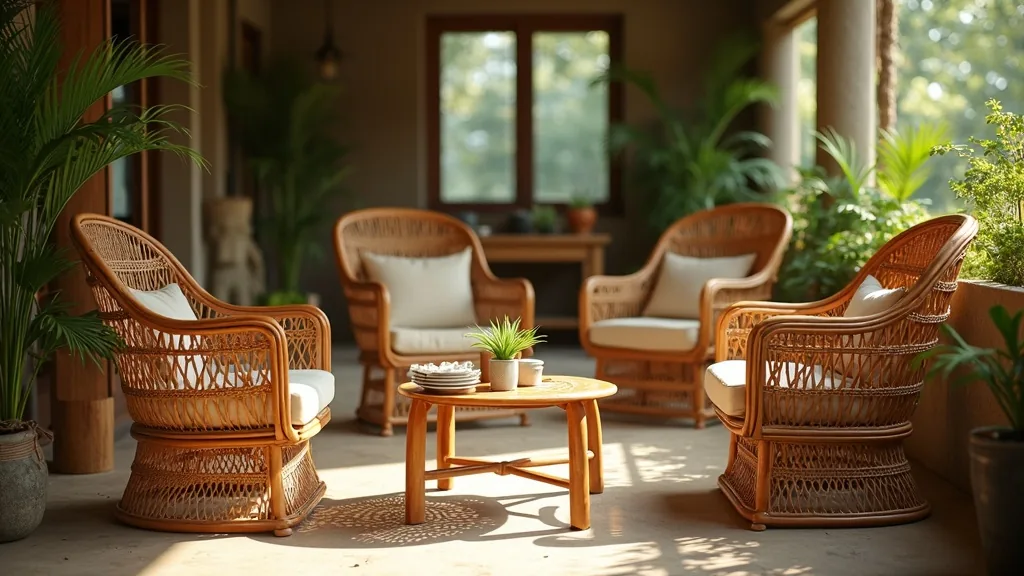
Send the spec, get a dated quote
Tell us the destination market, the pieces you want and roughly what volume. The desk replies within one business day, Bali hours.