

MOQ Explained for Bali Rattan Furniture Wholesale Orders
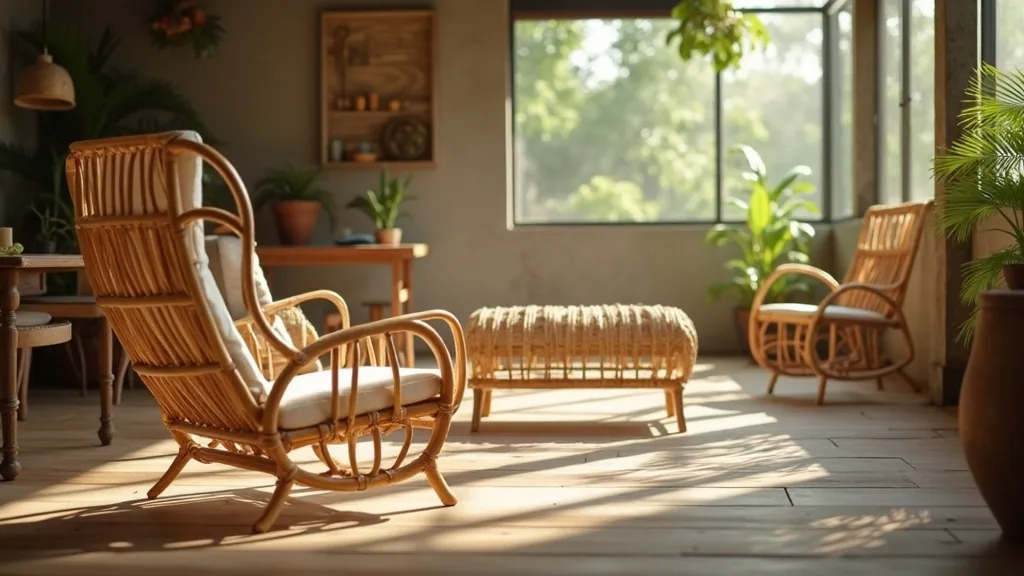
There is no universal MOQ for Bali rattan furniture wholesale orders. Minimums are negotiated per supplier, per item, and per finish — never set by an industry standard. Most export workshops anchor the minimum to a mixed 20ft or 40ft container that cubes out, while trial orders and LCL shipments cover buyers not yet ready for full-container volume.
Three workshops will quote you three different minimums for the same woven dining chair. Nothing is wrong with any of them. That is how the Indonesian rotan (rattan) trade actually prices production, and understanding the logic saves weeks of confused email threads.
Why Is There No Universal MOQ for Bali Rattan Furniture?
Because nobody ever standardized one. No trade body publishes a minimum order quantity for woven furniture, and no two workshops share the same cost structure. Every MOQ you receive is a commercial decision — a workshop calculating the point at which switching its weavers, frame builders, and spray booth onto your order becomes worth the disruption.
Four inputs drive that calculation:
- Weaving hours per piece. A tight, closed anyaman (weave) can take several times longer than an open-weave pattern, so labor-heavy designs carry higher minimums.
- Frame material. Teak, mahogany, or mindi frames pull in SVLK timber-legality paperwork — mandatory for wood-furniture exports since 1 January 2015 — plus fumigation, which workshops prefer to batch.
- Finish setup. Stain, lacquer, and powder-coat lines run in batches; a tiny run wastes booth time and material.
- Material purchasing floors. Synthetic HDPE fiber is bought by the roll and natural rattan poles by the bundle, so a workshop’s own suppliers impose minimums beneath your order.
There is also a structural reason minimums stay workable. Under Trade Regulation Permendag No. 38 of 2017, raw rattan may not leave Indonesia — only semi-finished rattan and finished furniture qualify for ekspor (export). Then-Trade Minister Enggartiasto Lukita, speaking in Cirebon and reported by ANTARA News, confirmed that raw rattan cannot be exported while semi-finished material is allowed. The policy keeps weaving capacity concentrated in clusters like Cirebon in West Java and the finishing workshops of Bali, so production lines run continuously and a mid-size buyer rarely triggers cold-start costs.
How Does the Cube-Out Mixed-Container Model Work?
Most Bali exporters do not define MOQ as “100 chairs.” They define it as a container that cubes out — filled to usable volume so freight cost per piece stays sane. Your order can mix dining chairs, lounge sets, pendant lamps, and daybeds across designs, as long as the combined cubic meters fill the box.
| Container | Usable volume (approx.) | Mixed rattan load — indicative example only |
|---|---|---|
| 20ft | ~26–28 CBM | 8–10 lounge sets plus 40–60 stacking chairs and boxed accessories |
| 40ft | ~55–58 CBM | Roughly double the 20ft mix; suits multi-store retailers |
| 40ft HC | ~60–68 CBM | Extra height for daybeds, hanging chairs, tall cabinets |
Piece counts vary with design, stacking, and packaging — treat them as illustrations, not promises. Containers ship FOB Semarang or Surabaya, with goods consolidated from workshops in Bali and Cirebon; Jimbaran and Denpasar host most of Bali’s export warehouses. As of 2026, a Bali-to-Germany shipment typically runs six to ten weeks including production and packing, while sea freight to Australia takes roughly two to six weeks.
What Are Your Options Below a Full Container?
Three realistic routes exist, and this is precisely the gap a genuinely low moq supplier fills by pooling production runs and consolidating freight for smaller buyers.
| Route | Typical fit | Trade-offs |
|---|---|---|
| Trial order | 1–3 sample pieces per design, sent by air or courier | Highest per-piece cost; fastest way to verify weave and finish quality |
| LCL (less than container load) | Roughly 3–15 CBM sharing container space | Per-CBM freight premium; port handling adds days at each end |
| Shared / consolidated container | Your goods co-loaded with other buyers’ orders | Cheapest sub-container route; sailing dates depend on the pool filling |
Trial orders deserve more respect than they get. Serious workshops expect sampling before a container commitment, and a sample is your only reliable check on weave tension, frame joinery, and finish color under real light. Air-couriered samples often land at an indicative USD 150–400 per boxed piece as of 2026, subject to change, depending on volumetric weight.
LCL makes sense between roughly 3 and 15 CBM. Above that band, the per-CBM premium usually crosses the cost of simply booking a 20ft box — run both numbers before deciding. All figures here are indicative examples; actual quotations are built per piece and per specification from your item list.
How Do Custom Colors and Weaves Change Your MOQ?
Customization is normal in this trade. Bali furniture guides consistently note that artisans will adjust dimensions, finishes, and colors to a buyer’s specification, provided you supply drawings or reference photos clear enough to remove guesswork. Custom work still moves minimums in predictable ways:
- Custom stain or paint on natural rattan — lowest impact. Finishing is batched per order anyway, so a bespoke tone usually rides on your existing minimum.
- Custom HDPE fiber color — highest impact. Synthetic fiber is produced or purchased in production-run quantities, so an off-catalog weave color can push the minimum for those pieces well above a standard container share.
- Custom weave pattern — moderate impact. A new anyaman needs a sample loop, weaver training time, and a signed-off master piece before bulk weaving starts.
- Custom dimensions — low to moderate impact. Resized frames may need new jigs, and on wooden frames the SVLK document set still applies to the timber component.
The practical rule: reserve custom elements for pieces that carry your brand and fill the rest of the container from the workshop’s existing catalog — you stay above the cube-out threshold without inflating minimums on every line.
One honesty note before the FAQ: every USD and piece-count figure above is an indicative example as of 2026, subject to change. Real minimums in the Bali mebel (furniture) trade are quote-based, calculated per piece and per specification from the buyer’s item list — no reputable exporter guarantees a fixed price sheet.
Frequently Asked Questions
Does the MOQ apply per design or per container in Bali rattan wholesale orders?
Per container, in most cases. Bali export workshops typically let you mix designs — chairs, lounge sets, lamps, daybeds — inside one 20ft or 40ft container as long as combined volume cubes out. Some labor-intensive designs carry an additional per-design floor, such as a minimum weaving batch, so confirm both numbers when requesting a quotation.
Can I combine natural rattan and synthetic rattan pieces in one MOQ container?
Yes, and mixed loads are common because MOQ is volume-based, not material-based. Natural rotan indoor pieces and HDPE outdoor pieces can share one container. Two caveats: wooden-framed items need SVLK and fumigation paperwork that all-synthetic pieces do not, and an off-catalog HDPE fiber color may impose its own material minimum on the synthetic portion.
Do trial orders count toward the container MOQ later?
Sometimes — it is negotiated, never automatic. Some workshops credit sample invoices against the first bulk order; others treat samples as a separate paid service because one-off pieces interrupt production. Request the crediting policy in writing when ordering samples, and keep the signed sample specification sheet — it becomes the quality reference for your container run.
Keep Reading
Uncategorized
Bali Eco Resort Rattan Furniture Sourcing Guide 2027
Eco-resorts opening around 2027 should lock their Bali rattan furniture suppliers by mid-to-late 2026: specify traceable Indonesian rotan — finished…
Uncategorized
Rattan FF&E Investment in Bali Hospitality: 2027
Rattan furniture investment opportunities in Bali hospitality for 2027 are procurement opportunities, not securities: the villas, beach clubs, and eco-resorts…
Uncategorized
RCEP Supply Chains for Bali Rattan Exporters: 2027
For 2027, an RCEP supply chain strategy for Bali rattan exporters comes down to three moves: claim preferential tariffs where…