
Inspecting Rattan Quality Before Shipment
To inspect rattan furniture quality in Bali before shipment, check five things at the warehouse: weave tension and density, frame-joint strength, mold and pest signs, crack-free poles, and finish consistency against your approved golden sample. Do it 3-5 days before container loading — in Jimbaran or Denpasar where most export warehouses sit — or hire a third-party inspector to do it remotely.
Most buyers only see photographs until the container doors close. A structured quality-control pass at the warehouse — whether you attend in person or send an inspector — is the cheapest insurance in the entire order, because a rejected chair in Denpasar costs a repair, while a rejected chair in Rotterdam costs a return shipment.
What Should Your Pre-Shipment Checklist Cover?
Work through these seven checkpoints in order, from structure outward to surface:
- Frame integrity — joints, screws, welds (for synthetic-rattan aluminium frames), and leg leveling on a flat floor.
- Weave tension — no sagging, gapping, or loose strand ends anywhere on the piece.
- Weave density — strand spacing matches the approved sample, panel by panel.
- Material condition — no mold, mildew smell, splits, or borer holes.
- Finish consistency — color, sheen, and coating coverage against the golden sample.
- Function — drawers slide, doors close, folding parts move, cushions fit their frames.
- Packing — corner protection, desiccants, and a stacking plan for the container.
How Do You Check Weave Tension and Anyaman Density?
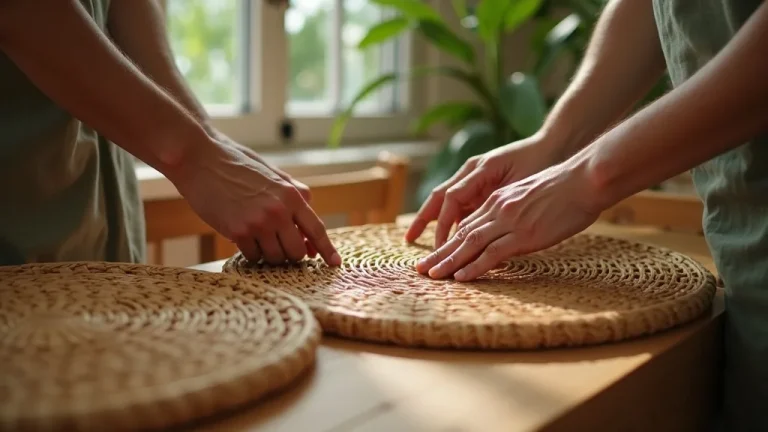
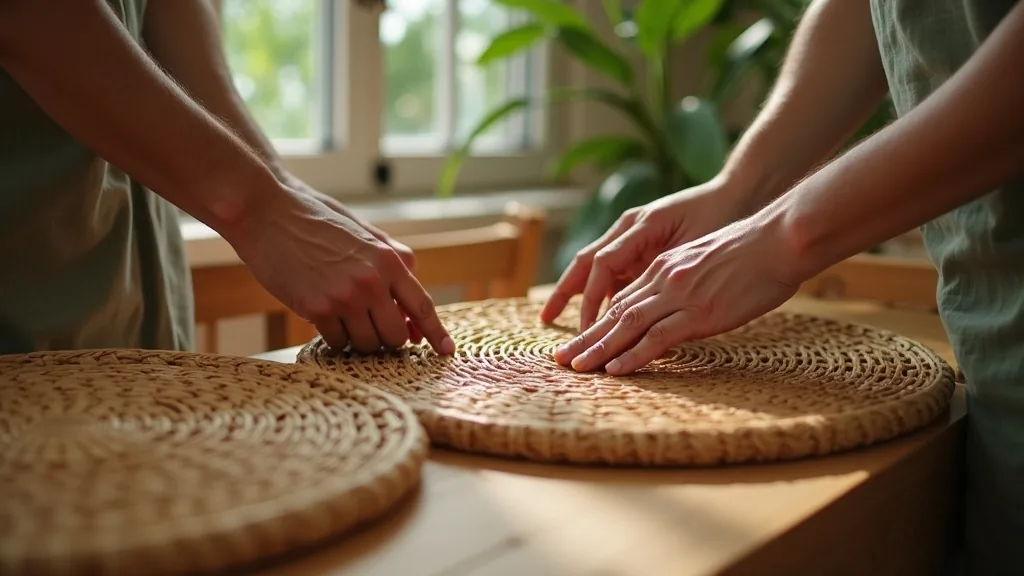
Press the woven panel firmly with your palm at its center. Good anyaman flexes slightly and springs back; poor weaving stays dented or creaks. Then run your fingers along the edges where strands terminate — every end should be tucked and secured, not glued flat or left proud.
Density is a count, not an impression. Photograph a 10 x 10 cm section of your approved sample when you place the order, then compare strand counts on production pieces against that photo. This matters most on custom rattan furniture, where a workshop translates your drawings into a weave pattern for the first time and the sample-versus-production comparison is the only objective reference either side has.
Check underside and back panels too. Weavers under time pressure tighten the visible face and rush the hidden ones — turn every third piece upside down.
How Do You Test Frame Joints and Structural Strength?
Sit on the chairs. Lean on the tables. It sounds crude, but a 15-second load test finds what a visual check misses. Then do the twist test: hold opposite corners of a chair and apply gentle torsion — a sound frame resists as one unit, while a weak joint clicks or shifts.
For natural rattan frames, inspect the bends. Rattan poles are steam-bent, and hurried bending leaves fine compression wrinkles on the inside of the curve — acceptable if shallow, a rejection point if the fibers have split. For synthetic rattan on aluminium, check the welds under the seat and confirm tube wall thickness against the workshop’s spec sheet rather than by eye.
What Do Mold, Cracks, and Pest Damage Look Like?
Bali’s humidity makes this the highest-stakes check of the visit. Use this defect table at the warehouse:
| Defect | What to look for | Severity | Action |
|---|---|---|---|
| Mold / mildew | White or grey dusty bloom, musty smell inside the weave | Critical | Reject; re-dry and re-treat before any rework |
| Powder-post beetle | Pin-sized holes with fine yellowish dust (frass) below them | Critical | Reject the piece; inspect the whole batch |
| Cracks / splits | Lengthwise splits at bends and screw holes | Major | Reject or repair depending on depth |
| Loose strand ends | Untucked ends at panel edges | Minor to major | Rework before packing |
| Color patchiness | Uneven stain absorption between poles | Minor | Accept within tolerance, or re-finish |
Smell matters as much as sight. A container that ships with damp furniture arrives with moldy furniture — and the 6-to-10-week Bali-to-Germany lead time that logistics guides cite as of 2026, covering production, packaging, and shipping, is long enough for a small mold spot to colonize an entire load.
How Do You Verify Finish Against the Golden Sample?
The golden sample — the physical piece you signed off before production began — travels to the inspection. Never compare against a photo alone; screens distort sheen and warm tones.
Place the golden sample next to production pieces in daylight, not under warehouse fluorescents. Check three things: color match on both weave and frame, sheen level (matte drifting toward gloss signals a coating change), and coverage — run a white cloth along undersides to catch uncoated patches and dust trapped in the topcoat.
Bali furniture guides confirm that workshops readily adjust dimensions, finishes, and colors to buyer specification. That flexibility is exactly why the reference sample matters: when everything is adjustable, the sample is the contract.
What If You Cannot Fly to Bali for the Inspection?
Hire a third-party inspection agency with staff in Bali or Surabaya, brief them with your golden-sample photos and a written defect classification (critical, major, minor), and have them random-sample the batch — AQL-style sampling is standard practice among inspection firms. Ask for a same-day report with photographs of every defect found.
A cheaper middle option is a live video walkthrough. Have the warehouse team walk the stock on a recorded video call while you direct them piece by piece — “turn that one over, zoom in on the left joint.” Because most export warehouses cluster in Jimbaran and Denpasar, one inspector can usually cover several suppliers in a single day.
Whichever route you take, schedule it 3-5 days before container stuffing. That leaves time for rework without missing the booked vessel out of Semarang or Surabaya.
What Paperwork Should You Cross-Check During the Inspection?
The physical check and the document check happen on the same visit:
- Fumigation certificate — required for wooden furniture components; confirm the treatment date falls after packing, not weeks before.
- SVLK documentation — Indonesia’s timber-legality verification, mandatory for wood and wood-furniture exports since 1 January 2015; it covers teak, mahogany, or mindi frame components on rattan pieces.
- Packing list draft — count cartons against it while you are physically standing among them.
- Container loading photos — agree in advance that stuffing will be photographed door-open, half-full, and full.
Document discipline pays for one more reason. Under Trade Regulation Permendag No. 38 of 2017, raw rattan cannot leave Indonesia while finished rattan furniture can — a policy then-Trade Minister Enggartiasto Lukita confirmed in remarks reported by ANTARA News. Your shipment clears customs as finished goods, so every paper should describe it precisely that way.
Frequently Asked Questions
How many days before container loading should I inspect rattan furniture in Bali?
Three to five days before stuffing. That window leaves enough time for the workshop to rework loose weave, re-coat patchy finishes, or swap rejected pieces without missing the booked vessel out of Semarang or Surabaya. Inspecting on loading day itself leaves you an impossible choice: ship known defects or forfeit the sailing.
Can I inspect Bali rattan furniture remotely without traveling?
Yes. Either commission a third-party inspection firm working in Bali — brief them with golden-sample photos and your defect classification — or run a recorded live video walkthrough where you direct the warehouse team piece by piece. Combine both for large orders: video for the overview, an independent inspector for random sampling and the final report.
What should I do if the pre-shipment inspection finds defects?
Classify first: critical defects (mold, pest holes, structural failure) mean the piece does not ship; major defects (deep splits, sagging weave) go back for rework; minor cosmetic variance is negotiated against an agreed tolerance. Put that classification in writing before production starts, so the inspection applies rules both sides accepted rather than opening a fresh argument at the warehouse door.
Keep Reading

Uncategorized
Bali Eco Resort Rattan Furniture Sourcing Guide 2027
Eco-resorts opening around 2027 should lock their Bali rattan furniture suppliers by mid-to-late 2026: specify traceable Indonesian rotan — finished…

Uncategorized
Rattan FF&E Investment in Bali Hospitality: 2027
Rattan furniture investment opportunities in Bali hospitality for 2027 are procurement opportunities, not securities: the villas, beach clubs, and eco-resorts…

Uncategorized
RCEP Supply Chains for Bali Rattan Exporters: 2027
For 2027, an RCEP supply chain strategy for Bali rattan exporters comes down to three moves: claim preferential tariffs where…