
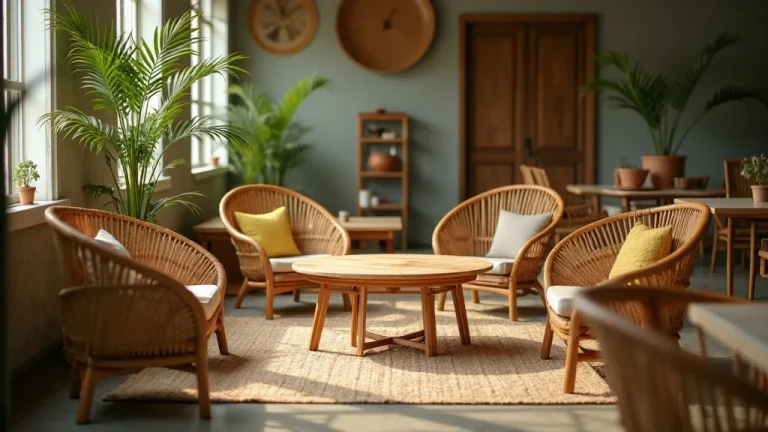
SVLK & FLEGT Legality for Rattan and Wood Frames
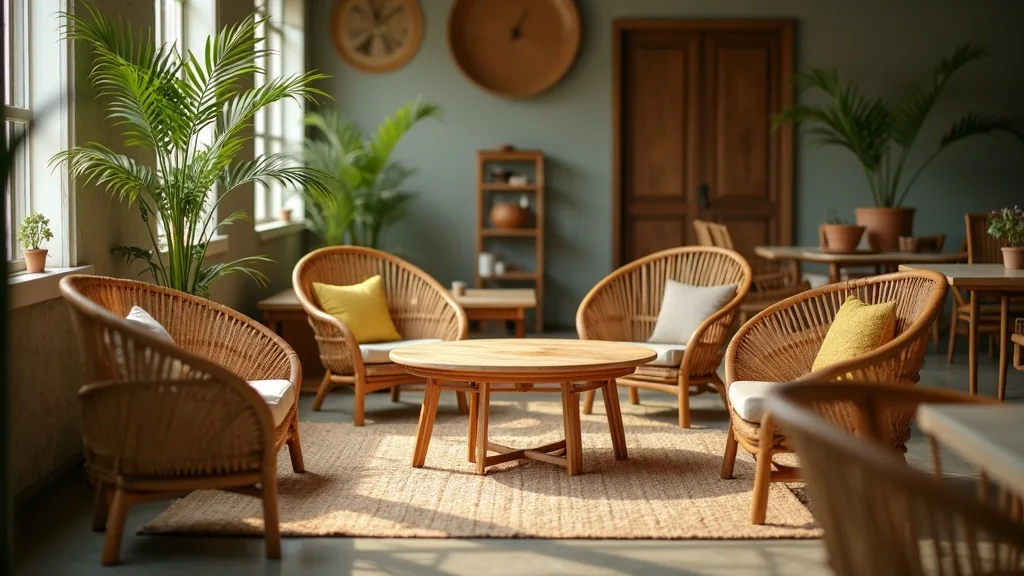
SVLK — Sistem Verifikasi Legalitas Kayu — has been mandatory for Indonesian wood and wood-furniture exports since 1 January 2015, and on a rattan order it covers the teak, mahogany, or mindi frame, not the woven fiber. Pair it with Indonesia’s FLEGT licence for EU shipments and legality paperwork stops being a hurdle and becomes a reason to buy.
This piece is a 2027 outlook built on what can be verified in 2026. Regulations move — the EU has already shifted its own deadlines more than once — so treat every date below as a checkpoint to re-confirm at order time, not a promise.
What Do SVLK and FLEGT Actually Verify?
Two different things, working together.
SVLK is Indonesia’s national timber-legality assurance system. Since 1 January 2015 it has been compulsory for exports of wood and wood furniture: an accredited body audits the supply chain, and each qualifying shipment leaves with a legality export document. For a mebel buyer, that document is proof the wood in your container was harvested and traded legally under Indonesian law.
FLEGT is the EU-facing layer. On 15 November 2016, Indonesia became the first country in the world — and, as of early 2026, still the only one — to issue FLEGT licences under its Voluntary Partnership Agreement with the EU. A FLEGT-licensed shipment enters the EU with its legality already accepted, which is why importers in Hamburg or Rotterdam treat Indonesian wood furniture differently from unlicensed origins.
| Question | SVLK | FLEGT licence |
|---|---|---|
| What is it? | Indonesia’s timber-legality verification system | An export licence under the Indonesia-EU Voluntary Partnership Agreement |
| Since when? | Mandatory 1 January 2015 for wood and wood-furniture exports | First licences issued 15 November 2016 |
| Scope on a rattan order | Wooden components: teak, mahogany, mindi frames, legs, posts | EU-bound shipments of SVLK-verified timber products |
| What the buyer receives | The supplier’s legality export document | A licence lodged with EU customs before goods are released |
| What it does not cover | Rattan fiber (rotan) — a palm, not a timber | Non-EU destinations and non-timber materials |
Why Does a Woven Rattan Chair Need Timber Paperwork?
Because under the anyaman there is usually wood.
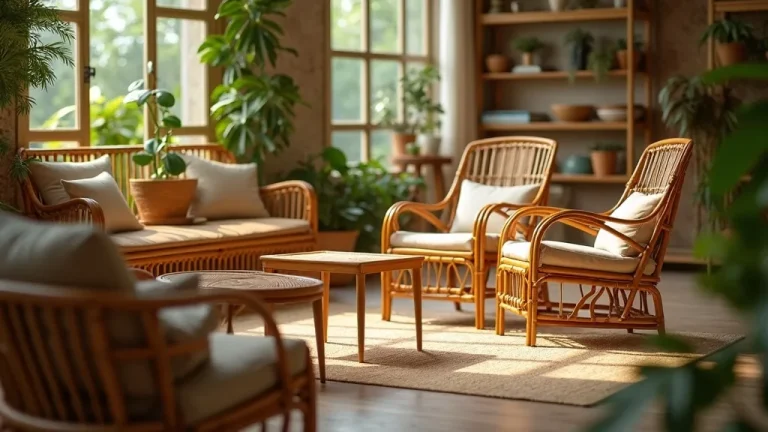
Most commercial rattan seating is built on a hardwood or rattan-pole skeleton, and the hardwood versions dominate contract orders: teak and mindi frames take screws, joinery, and daily restaurant abuse better than fiber alone. A dining chair shows this most clearly — legs, seat frame, and back posts in timber, weave wrapped over the top. That is why wooden-frame seating such as bali rattan dining chairs sits inside SVLK’s scope even when 90 percent of what you see is rotan.
One honest caveat, stated rather than blurred: available sources apply SVLK to wood and wood products, and none we can verify extend it to rattan fiber itself. So read SVLK as covering the wood component of your order. An all-rattan piece with no timber parts is a different documentary case from a teak-framed lounge set, and a supplier who pretends otherwise is guessing.
The fiber has its own legal story. Under Trade Regulation Permendag No. 38 of 2017, raw, unprocessed rattan may not be exported from Indonesia at all, while semi-finished rattan and finished rattan furniture may. Then-Trade Minister Enggartiasto Lukita, speaking in Cirebon and reported by ANTARA News, put it plainly: raw rattan cannot leave, processed rattan can. The effect is structural — weaving stays in clusters like Cirebon, finishing and export consolidate in Bali, and buyers of finished furniture get the value-added end of a protected supply chain. That policy has been contested and revised before, so date-stamp it in your own files the way we do here.
The scale behind the paperwork is real. BPS-Statistics Indonesia reports Bali Province exported goods worth US$634,496,917 in 2024, and Indonesia’s rattan furniture exports under HS 94038300 ran to roughly USD 14.6 million the same year, reaching 69 countries and more than 400 buyers.
How Does Indonesia’s FLEGT Licence Help in EU Markets?
Under the EU Timber Regulation, FLEGT-licensed shipments were treated as meeting legality requirements without extra operator due diligence — the closest thing to a green lane EU timber law has offered. For nearly a decade that has quietly cut risk and paperwork for European importers of Indonesian wood furniture.
The 2027 question is the EUDR, the EU Deforestation Regulation that replaces the older timber rules. As of early 2026 its application dates have moved more than once, with windows discussed through late 2026 for larger operators and into 2027 for smaller ones. The working outlook — and it is an outlook, not a prediction — is that FLEGT licences keep counting toward the legality side of EUDR due diligence, while the deforestation-free side adds new demands, including geolocation data for where timber was harvested. Wood-framed rattan furniture can fall in scope; pure-fiber pieces are a separate analysis. Confirm the live rule with your customs broker before every order rather than relying on any static page, including this one.
Germany, the EU’s biggest furniture door, already asks for detailed product descriptions, value declarations, and country-of-origin certificates, and EU-bound furniture must meet European safety standards including flame-retardancy and chemical-content restrictions. A supplier who keeps SVLK current is usually the same supplier who gets this dossier right.
Which Documents Should Travel With a Mixed Container?
The standard Bali furniture export set, with the legality layer added:
| Document | Applies to | Note for buyers |
|---|---|---|
| Commercial invoice + packing list | Every shipment | Descriptions must match what customs inspectors will see |
| Bill of lading | Sea freight, typically FOB Semarang or Surabaya | Logistics guides put Bali-Germany at 6-10 weeks including production |
| Certificate of origin | Every shipment | German customs request it specifically |
| Indonesian export declaration | Every shipment | Filed by the exporter or forwarder |
| SVLK legality document | Any order containing wooden frames or parts | Ask for the certificate number before deposit |
| FLEGT licence | EU-bound timber products | Lodged with EU customs before goods are released |
| Fumigation certificate | Wooden furniture | Standard for timber-framed sets |
| Phytosanitary certificate | Plant-based and wooden items | Destination-dependent — check per country |
What Should Buyers Ask Suppliers in 2026 to Be Ready for 2027?
Five questions, in writing, before any deposit:
- Show me your SVLK certificate — number, issuing body, expiry date.
- Which timber species are in my frames — teak, mahogany, mindi — and are all of them inside your SVLK scope?
- For EU orders: who lodges the FLEGT licence, and can I see a sample from a past shipment?
- What harvest-origin or geolocation data can you already provide, in case EUDR due diligence lands on my order in 2027?
- Who arranges fumigation and phytosanitary certificates, and are they priced into the FOB quote?
Workshops in Bali and Cirebon that answer these five without flinching are the ones worth a container. The raw-rattan export ban keeps the craft inside Indonesia; SVLK and FLEGT are what let the finished mebel travel with its legality proven. As of 2026 that combination is Indonesia’s quiet edge at every EU negotiating table — and the buyers who ask for the paperwork now will be the ones shipping without drama in 2027.
Frequently Asked Questions
Does SVLK cover the rattan weave itself or only the wooden frame?
Only the wood. SVLK verifies timber legality, so it applies to teak, mahogany, or mindi frames, legs, and posts inside a rattan piece. Rattan is a palm, and verifiable sources do not extend SVLK to the fiber. An all-rattan item with no timber parts is a different documentary case — ask your supplier to confirm species and coverage in writing.
Will a FLEGT licence still matter once the EUDR fully applies?
The outlook as of 2026: yes, but not alone. FLEGT licences are expected to keep satisfying the legality side of EU due diligence, while the EUDR adds a separate deforestation-free requirement with geolocation data. Application dates have shifted more than once, with windows discussed into 2027, so confirm the current rule with your EU customs broker before each order.
What SVLK paperwork should I request from a Bali supplier before paying a deposit?
Ask for the SVLK certificate itself — number, issuing body, and expiry — plus written confirmation that your frame species are within its scope, and a sample legality export document from a past shipment. For EU orders, confirm who lodges the FLEGT licence. Established exporters around Jimbaran and Denpasar, where most Bali export warehouses sit, handle these requests routinely.
Keep Reading
Uncategorized
Bali Eco Resort Rattan Furniture Sourcing Guide 2027
Eco-resorts opening around 2027 should lock their Bali rattan furniture suppliers by mid-to-late 2026: specify traceable Indonesian rotan — finished…
Uncategorized
Rattan FF&E Investment in Bali Hospitality: 2027
Rattan furniture investment opportunities in Bali hospitality for 2027 are procurement opportunities, not securities: the villas, beach clubs, and eco-resorts…
Uncategorized
RCEP Supply Chains for Bali Rattan Exporters: 2027
For 2027, an RCEP supply chain strategy for Bali rattan exporters comes down to three moves: claim preferential tariffs where…