
Arranging Factory Visits to Bali Rattan Producers
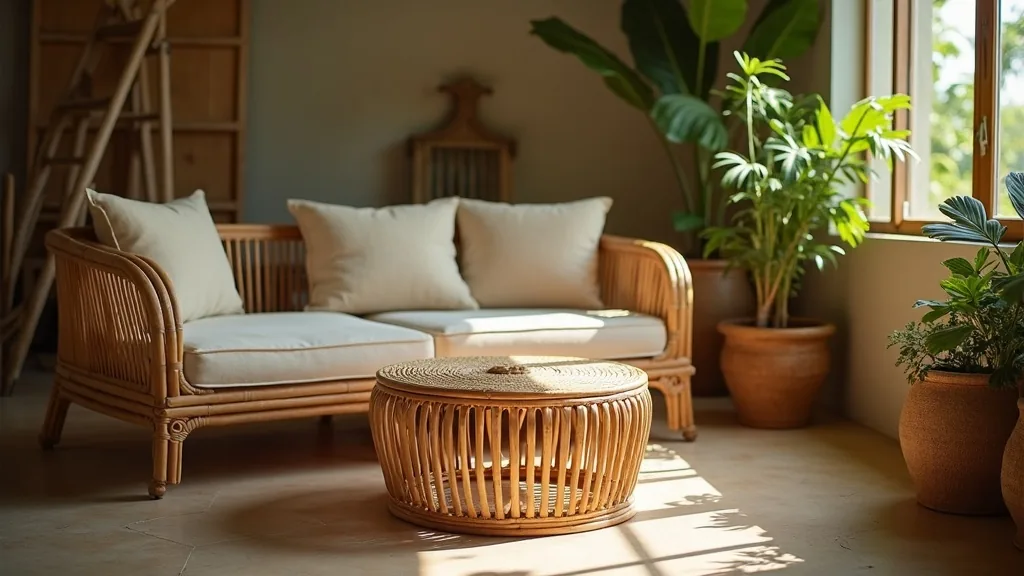
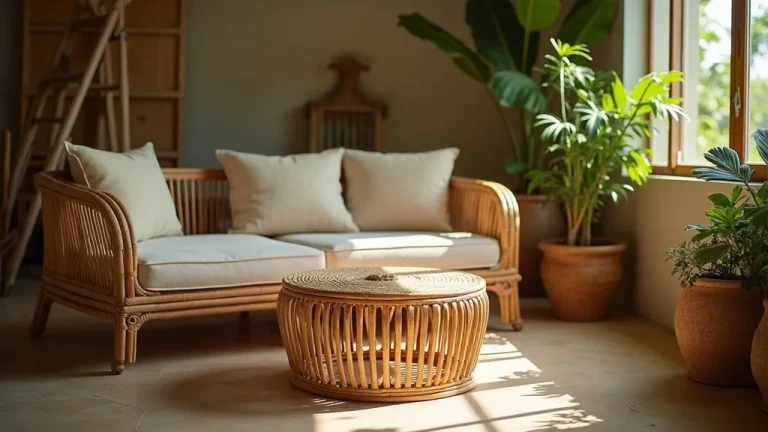
To arrange a factory visit to Bali rattan furniture producers, shortlist two or three workshops in the Jimbaran–Denpasar warehouse belt, send your item list at least a week ahead, and book a half-day slot per supplier. Export-ready producers welcome scheduled buyers: walk-ins see the showroom, appointments see the weaving floor.
That distinction is the whole game. A showroom tells you what a producer wants to sell; the workshop floor tells you what they can build consistently, at container volume, on a deadline. This checklist covers where Bali’s producers cluster, how to book the visits, what to inspect once you are inside the gudang, and which questions separate a photogenic workshop from one that can fill a 40ft container without drama.
Why Should You Combine a Bali Trip With Rattan Sourcing?
Because the geography does half your work. Bali is Indonesia’s design-led finishing and export hub for rattan furniture — mebel rotan — and BPS-Statistics Indonesia reports the province exported goods worth US$634 million in 2024. The regulatory backdrop concentrates the skill here too: under Trade Regulation Permendag No. 38 of 2017, raw rattan cannot leave Indonesia, while semi-finished rattan and finished furniture can. Then-Trade Minister Enggartiasto Lukita, speaking in Cirebon in remarks carried by ANTARA News, spelled out that raw rotan stays home and processed goods ship. The weaving and finishing you need to evaluate therefore happens within a short drive of the airport, not scattered across a continent.
Two days on the ground also de-risk the order itself. Photos hide loose anyaman wraps, green frames, and damp storage; your hands and a tape measure do not. And if you would rather skip cold outreach entirely, a vetted rattan furniture factory partner can sequence back-to-back workshop tours matched to your item list, so your days on the island go to inspection rather than scheduling.
Where Do Bali’s Rattan Producers Actually Cluster?
Most export warehouses and large-scale suppliers sit in a belt running from Jimbaran up through Denpasar. Plan your days around it.
| Zone | What you find there | Realistic visit length |
|---|---|---|
| Jimbaran | Export gudang, container consolidation, larger showrooms | 2–3 hours per site |
| Denpasar and its ring roads | Mid-size workshops, finishing rooms, sample makers | 2–4 hours per site |
| Cirebon, West Java | The historic weaving cluster with the deepest anyaman skill pool | A separate leg: flight plus drive |
| Pasuruan–Sidoarjo, East Java | Active frame-building and mixed-material furniture corridor | A separate leg |
One thing that surprises first-time buyers: many “Bali” producers weave in Cirebon and finish in Bali. That split is normal, not evasion — it reflects where the weaving workforce has lived for generations. Containers typically ship FOB Semarang or Surabaya either way, so the production geography rarely changes your freight plan.
How Do You Book the Visits Themselves?
- Build your item list first. Photos, dimensions, target quantities, natural versus synthetic preference. Producers triage visit requests by seriousness, and a spec sheet signals you are a buyer, not a browser.
- Contact five or six producers to land two or three confirmed slots. Email plus WhatsApp follow-up is the norm; replies within 24–48 hours are an early signal of how order communication will go later.
- Send the item list a week ahead. It lets the workshop pull comparable pieces onto the floor and prepare material samples, which makes your visit ten times more useful.
- Book half-day blocks, two producers per day maximum. Traffic between Jimbaran and Denpasar eats more of the clock than the map suggests.
- Reconfirm the afternoon before. Balinese ceremony days such as Galungan can pause production, and Nyepi shuts the island for a full day; a short WhatsApp message saves a wasted morning.
- Pack a tape measure, a bright flashlight, and a phone for video. You will want close-up footage of joints and weave to compare suppliers later.
What Should You Inspect Inside the Workshop?
Walk the floor in production order — material storage, frame shop, weaving stations, finishing room, packing — and score each stop.
| Checkpoint | What good looks like | Walk away if |
|---|---|---|
| Weave consistency (anyaman) | Even tension and uniform strand width across pieces made by different weavers | Tension varies visibly within a single panel |
| Frame joints | Wrapped bindings over screwed or doweled joints; no flex when you rock the piece | Nails alone, visible gaps, audible creak |
| Finishing room | A dedicated spray area with drying racks and dust control | Spraying outdoors beside an open road |
| Mold and pest treatment | A process they can explain — fumigation, kiln-drying, or anti-mold dipping — plus dry storage | No answer for mold prevention, or stock stored damp |
| Material storage | Rotan poles and synthetic fiber racked off the ground | Raw material stacked on bare soil |
| Export packing | Corner protection, silica gel, cartons they can show you | “We wrap it in plastic” |
Ask to handle a piece mid-build. A workshop confident in its frames will flip a chair upside down for you without hesitation. Then ask who signs off on final quality before packing — small process details like this predict how your container will arrive.
Which Questions Should You Ask Before Ordering?
- Capacity and backlog. How many pieces per month, and what is currently in the queue? A great workshop with a 14-week backlog may not fit your season.
- Where the weaving happens. In-house, or with pengrajin partners in Cirebon? Either answer is fine; a vague answer is not.
- Natural versus synthetic, honestly. For uncovered outdoor use, HDPE synthetic fiber outlasts natural rattan, which belongs indoors or under cover. A producer who claims natural rotan is fully weatherproof is telling you what you want to hear.
- MOQ framing. The workable minimum is usually a mixed 20ft or 40ft container that cubes out, not a fixed per-model count. Ask how they mix models to fill one.
- Lead time to your port. Bali-to-Germany shipments typically run six to ten weeks including production, packing, and sea freight, per logistics-guide figures as of 2026; Bali-to-Australia sea legs run two to six weeks.
- Documents. Commercial invoice, packing list, bill of lading, certificate of origin, and Indonesia’s export declaration are the standard set. Wooden components add fumigation paperwork, and since 1 January 2015 SVLK timber-legality verification applies to wood frames such as teak, mahogany, or mindi.
- Custom work. Most Bali artisans will adjust dimensions, finishes, and colors to spec — bring diagrams or reference photos so nothing gets lost in translation.
On pricing, hold one rule: there is no standard per-piece or per-CBM rate for Bali rattan furniture, and any USD figure you hear on a tour is indicative only, as of 2026 and subject to change. Real numbers arrive as a written quotation against your item list, per piece and per specification — so collect specs on the floor and compare quotes afterward from your desk.
Frequently Asked Questions
How far in advance should I book a Bali rattan factory visit?
Contact producers two to three weeks before you fly, then send your item list at least one week ahead so the workshop can stage comparable pieces and material samples. Reconfirm each appointment the afternoon before by WhatsApp — Balinese ceremony days such as Galungan can pause production, and Nyepi closes the island entirely for a day.
Can I walk into Jimbaran or Denpasar workshops without an appointment?
You can, but you will usually see only the showroom and a salesperson. The weaving floor, finishing room, and packing area — the parts that actually predict order quality — are typically opened for scheduled buyers with an item list. Treat walk-ins as scouting; book proper half-day appointments for any producer you might realistically order from.
Should I add Cirebon to the same sourcing trip as Bali?
Only if weaving technique is your core concern. Cirebon in West Java is the historic anyaman cluster and rewards a visit, but it adds a flight and road transfer. Many Bali producers already weave there and finish in Bali, so inspecting the Bali finishing line plus reviewing Cirebon-made samples covers most buyers’ needs on one island.
Keep Reading
Uncategorized
Bali Eco Resort Rattan Furniture Sourcing Guide 2027
Eco-resorts opening around 2027 should lock their Bali rattan furniture suppliers by mid-to-late 2026: specify traceable Indonesian rotan — finished…
Uncategorized
Rattan FF&E Investment in Bali Hospitality: 2027
Rattan furniture investment opportunities in Bali hospitality for 2027 are procurement opportunities, not securities: the villas, beach clubs, and eco-resorts…
Uncategorized
RCEP Supply Chains for Bali Rattan Exporters: 2027
For 2027, an RCEP supply chain strategy for Bali rattan exporters comes down to three moves: claim preferential tariffs where…