
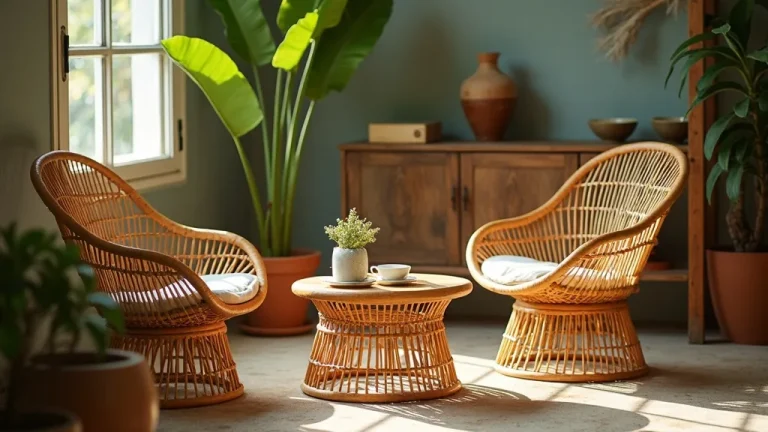
Sourcing Rattan Furniture: Bali vs Java
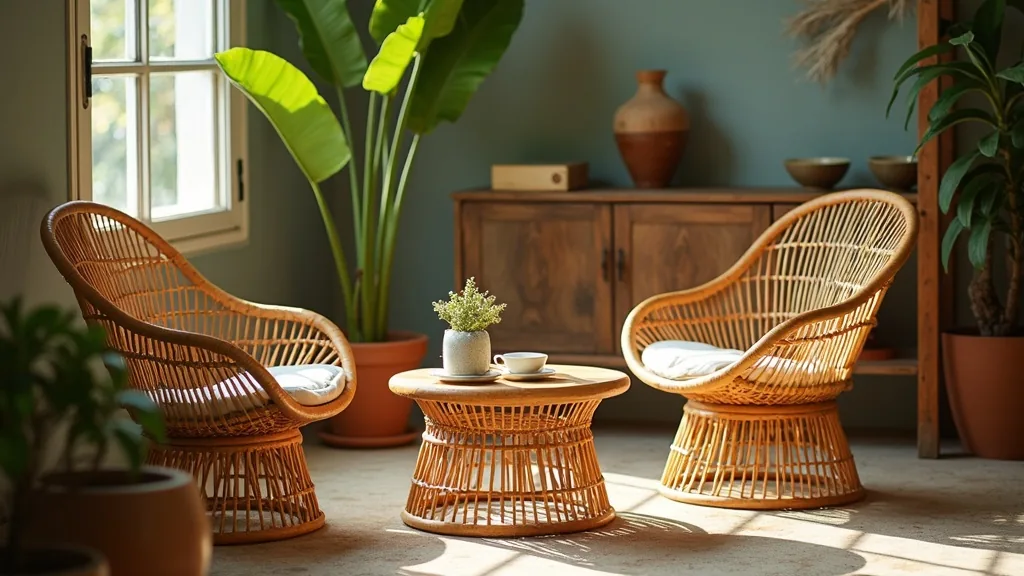
Java — chiefly the Cirebon weaving cluster — offers deeper anyaman capacity and lower workshop overheads. Bali offers design-led finishing, export warehouses in Jimbaran and Denpasar, and faster buyer communication. As of 2026, most importers win with a mixed chain: volume weaving in Java, finishing and consolidation in Bali, shipped FOB Semarang or Surabaya.
That is the compressed answer. The longer one is about what each island is actually for — because “Bali versus Java” is mostly a false choice. The buyers who get burned are the ones who pick a side and then force it to do the other side’s job.
Why Do Buyers End Up Comparing Bali and Java at All?
Both islands sit inside the same regulatory moat. Under Trade Regulation Permendag No. 38 of 2017, raw unprocessed rattan may not be exported from Indonesia, while semi-finished rattan and finished furniture may. Then-Trade Minister Enggartiasto Lukita, speaking in Cirebon and reported by ANTARA News, Indonesia’s state news agency, confirmed the split: raw rotan stays home, value-added product leaves. That single rule keeps weaving and finishing labor onshore — which is why every serious rattan furniture program eventually lands in Indonesia, and then runs straight into this island question.
The scale is real on both sides. BPS-Statistics Indonesia reports that Bali Province exported goods worth US$634,496,917 in 2024, while Indonesia’s rattan furniture exports under HS code 94038300 ran to roughly USD 14.6 million the same year, reaching 69 countries and more than 400 buyers.
One early sourcing verdict for interior programs: if your container leans toward lounge sets, dining chairs, cabinets, and bedheads, an indoor rattan furniture wholesale order almost always benefits from Bali finishing layered over Java weaving. The rest of this piece explains why.
What Does Java Do Better Than Bali?
Cirebon, in West Java, is the historic heart of Indonesian rattan weaving — anyaman skill passed through families for generations, and the deepest pool of weaving labor in the country. The Pasuruan–Sidoarjo corridor in East Java adds serious frame-making and furniture capacity on top of that.
Java’s advantages:
- Weaving depth. More specialist weavers per square kilometer than anywhere else in Indonesia; large repeat orders of a proven design run fastest here.
- Lower workshop overheads. Indicative per-piece quotes from Cirebon workshops typically come in below comparable Bali quotes — as of 2026, subject to change, and only ever confirmed against your actual item list.
- Port proximity. Semarang and Surabaya, the usual FOB ports for furniture containers, are trucking distance away. No ferry leg.
- Frame capacity. Mixed rattan-and-wood programs can draw on the East Java furniture corridor for teak, mahogany, or mindi frames.
Java’s drawbacks:
- Communication. Fewer export-facing sales desks and less English; many workshops are production houses, not merchandisers.
- Design development. Cirebon excels at reproducing patterns at volume, less at developing a new collection from a mood board.
- Fragmentation. Capacity spreads across many small workshops; someone has to coordinate, consolidate, and QC across all of them.
- Buyer logistics. If you fly into Bali — as most furniture buyers do — Cirebon is a separate domestic trip.
What Does Bali Do Better Than Java?
Jimbaran and Denpasar are where most of Bali’s export warehouses and large-scale furniture suppliers cluster, and that geography tells you Bali’s role: the island is a design-led finishing and export hub, not a mass-weaving floor.
Bali’s advantages:
- Design and finishing. Contemporary shapes, custom stains and finishes, upholstery pairing — the work that turns a woven shell into a retail-ready piece.
- Customization culture. Bali furniture sourcing guides consistently verify that workshops will adjust dimensions, colors, and finishes to buyer specification, provided you supply drawings or reference photos the maker can follow exactly.
- Consolidation. Export warehouses in Jimbaran and Denpasar assemble mixed 20ft or 40ft loads from multiple makers into one container that cube-outs properly.
- Communication. English-speaking export desks, showrooms you can walk, samples you can sit on — all during the same trip you were probably taking anyway.
Bali’s drawbacks:
- Higher overheads. Rent, wages, and buyer traffic push indicative quotes above Cirebon levels for like-for-like weaving work.
- Thinner weaving pool. Pure high-volume anyaman capacity is smaller than Java’s.
- The ferry leg. Containers loaded in Bali typically still truck across to Java ports, adding a logistics step that Java-based loads skip.
How Do Freight, Lead Times, and Compliance Compare?
| Factor | Java (Cirebon / Pasuruan–Sidoarjo) | Bali (Jimbaran / Denpasar) |
|---|---|---|
| Weaving capacity | Deepest cluster in Indonesia | Smaller, design-oriented pool |
| Design development | Pattern reproduction at volume | New collections, custom finishes |
| Indicative pricing | Generally lower per piece (as of 2026; quote-based) | Higher overheads priced in (quote-based) |
| Port access | Direct trucking to Semarang / Surabaya | Truck plus ferry to Java ports, typically |
| Consolidation | Buyer or agent must coordinate | Export warehouses handle mixed loads |
| Communication | Limited English, production-focused | Export desks, showrooms, faster replies |
| QC visits | Separate domestic trip | Combines with a normal Bali visit |
Lead times are set more by production than by the island. Logistics guides put Bali-to-Germany rattan shipments at 6–10 weeks all-in — production, packaging, and sailing — while sea freight from Bali to Australia usually runs 2–6 weeks. Air freight exists but almost never pencils out for bulky woven mebel.
Compliance is identical on both islands, because it is national law. The standard export set is commercial invoice, packing list, bill of lading, certificate of origin, and the Indonesian export declaration; wooden components need fumigation certificates, and phytosanitary paperwork applies to plant-based items depending on destination. Since 1 January 2015, SVLK timber-legality verification has been mandatory for wood and wood-furniture exports — relevant wherever your rattan piece carries a teak, mahogany, or mindi frame.
When Does a Mixed Bali–Java Supply Chain Win?
For most wholesale programs, almost always. The honest decision rules:
- Go Java-heavy when you are reordering a proven design in volume, price pressure is high, and you have an agent physically present in Cirebon to run QC.
- Go Bali-heavy when you are developing a new collection, mixing many SKUs from several makers, and want one warehouse to consolidate, inspect, and load everything.
- Run the mixed chain — weave in Cirebon, finish and consolidate in Bali, sail FOB Semarang or Surabaya — when you want Java’s costs and Bali’s quality control inside the same container. This is what most experienced importers converge on.
One closing caution, because this is where island comparisons usually go wrong: there is no standard industry MOQ, no standard per-CBM container price, and no universal weave-grade code for Indonesian rattan. Every USD figure above is an indicative example as of 2026, subject to change. Real pricing is quote-based, built per piece and per specification from your item list, from workshops in Bali and Cirebon — never from a rate card.
Frequently Asked Questions
Is rattan furniture actually cheaper to source from Java than from Bali?
Often, but not automatically. Cirebon workshop overheads run lower, so indicative per-piece quotes tend to sit below Bali’s — as of 2026, always subject to change. Landed cost is what decides it: trucking, consolidation, QC travel, and rework can erase the gap. There is no standard industry price; a real comparison starts from a quoted item list, per piece and per spec.
Can I combine Java-woven and Bali-finished pieces in one container?
Yes — that is the standard mixed-chain play. Woven shells travel from Cirebon or the Pasuruan–Sidoarjo corridor to a Bali warehouse in Jimbaran or Denpasar for finishing and QC, then the consolidated load trucks back to Java and sails FOB Semarang or Surabaya. One coordinator must own the whole chain, or lead times slip week by week.
Do Bali and Java workshops weave rattan differently?
The fiber is identical — Indonesian rotan kept onshore by the 2017 raw-export rules — but the craft culture differs. Cirebon weavers reproduce established anyaman patterns quickly and at volume; Bali benches lean toward contemporary shapes and design development. Either way, send drawings and reference photos: Bali sourcing guides confirm artisans readily adjust dimensions, colors, and finishes to buyer specification.
Keep Reading
Uncategorized
Bali Eco Resort Rattan Furniture Sourcing Guide 2027
Eco-resorts opening around 2027 should lock their Bali rattan furniture suppliers by mid-to-late 2026: specify traceable Indonesian rotan — finished…
Uncategorized
Rattan FF&E Investment in Bali Hospitality: 2027
Rattan furniture investment opportunities in Bali hospitality for 2027 are procurement opportunities, not securities: the villas, beach clubs, and eco-resorts…
Uncategorized
RCEP Supply Chains for Bali Rattan Exporters: 2027
For 2027, an RCEP supply chain strategy for Bali rattan exporters comes down to three moves: claim preferential tariffs where…