
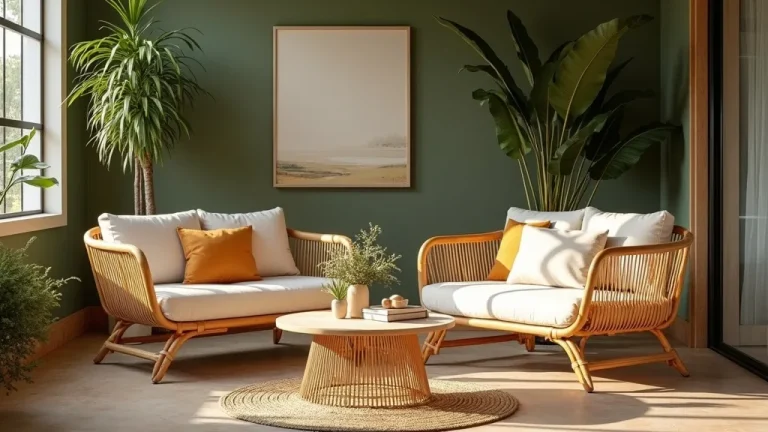
Outdoor Rattan 2027: Natural or Synthetic?
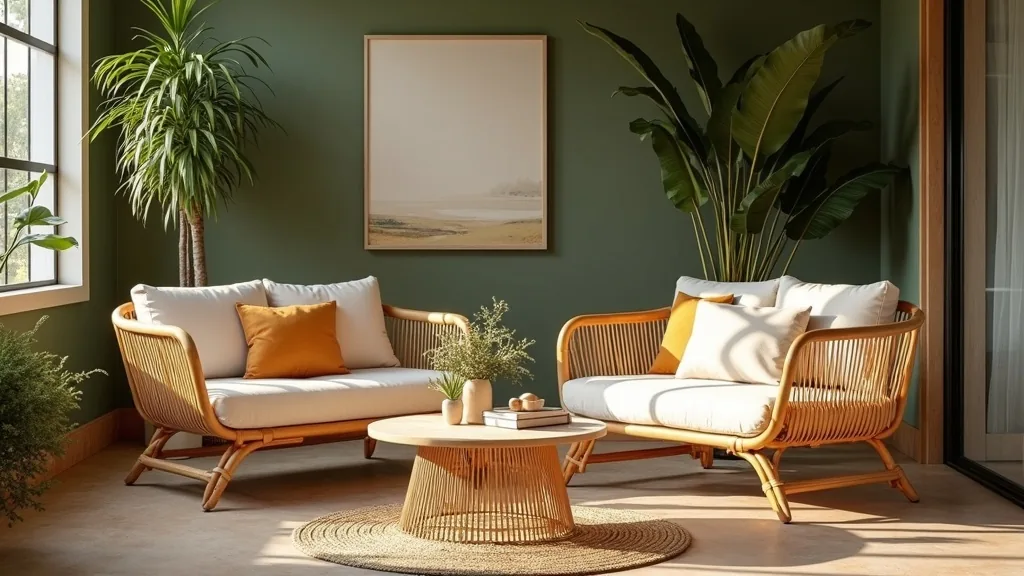
For uncovered outdoor exposure — pool decks, beach clubs, rooftop bars — synthetic HDPE rattan is the right specification for 2027 orders from Bali. Treated natural rattan still earns its place, but only in covered, ventilated zones: verandas, semi-open lobbies, shaded restaurant terraces. UV, tropical rain, and coastal salt air degrade natural fiber outdoors; quality HDPE weave withstands all three for years.
That is the short version. The longer version matters because 2027 buying decisions are being locked in now, and the outdoor category is where material choice carries real money. A dining chair that fails in a guest-facing pool area costs far more than its FOB price — it costs replacement freight, refurbishment labor, and a procurement manager’s patience. What follows is an outlook grounded in dated 2026 signals, not a prediction. Weather, resin prices, and freight rates will do what they do; the reasoning below is what holds either way.
What Do 2026 Signals Tell Us About 2027 Outdoor Orders?
Three signals from the current cycle shape how importers and hospitality groups should think about next year.
First, the trade base keeps widening. BPS-Statistics Indonesia reports Bali Province exported goods worth US$634,496,917 in 2024, and Indonesia’s rattan furniture exports under HS 94038300 ran to roughly USD 14.6 million that same year, reaching 69 countries and more than 400 buyers. Multiple market studies published through 2026 forecast global rattan furniture growth continuing into 2030-2033, with outdoor and contract segments repeatedly named as drivers.
Second, the regulatory moat behind finished Indonesian furniture is intact as of 2026. Under Trade Regulation Permendag No. 38 of 2017, raw rattan may not leave Indonesia, while semi-finished rattan and finished furniture can. Then-Trade Minister Enggartiasto Lukita, speaking in Cirebon and reported by ANTARA News, confirmed the policy’s logic: keep the weaving and finishing value onshore. Rattan export policy has been politically contested before, so no one should promise permanence — but every year the rule holds, buyers of finished Bali furniture keep a structural sourcing advantage over anyone trying to weave elsewhere with Indonesian cane.
Third, hospitality procurement is getting stricter about uncovered zones. Buyers furnishing pool and beach areas increasingly specify synthetic weave on powder-coated aluminium frames as the default, and ask suppliers to justify anything else. If your 2027 program includes uncovered terraces, the practical starting point is an outdoor rattan furniture wholesale line built on HDPE strand and marine-grade hardware, with natural rattan reserved for the covered spaces where it photographs best and lasts longest.
How Do UV, Rain, and Salt Air Actually Treat Each Material?
The three outdoor stressors do not damage rattan equally, and the honest comparison looks like this:
| Stressor | Natural rattan (treated) | Synthetic HDPE rattan |
|---|---|---|
| Direct UV | Fiber dries, bleaches, and turns brittle; coatings slow this but need recoating every 1-2 seasons | UV-stabilized HDPE resists fading for years; cheap PVC-based weave chalks and cracks much sooner |
| Tropical rain | Absorbs moisture; repeated wet-dry cycles loosen the weave and invite mold in humid months | Non-absorbent; dries fast; water drains through open weave patterns |
| Coastal salt air | Salt accelerates fiber breakdown and corrodes untreated steel frames beneath the weave | Inert to salt; pair with powder-coated aluminium and stainless fittings for full resistance |
| Realistic uncovered lifespan | Often one to three seasons before visible decline, even with maintenance | Commonly five or more years for quality HDPE, subject to grade and care |
Two honesty notes belong here. “Synthetic” is not one material: virgin HDPE strand with UV stabilizer behaves nothing like bargain PVC film, and the difference is invisible in a catalog photo. Ask any supplier — ours included — which resin the weave uses. And “treated natural” is genuinely good treatment, not magic: marine-grade lacquer and regular maintenance extend life in covered zones, but no coating available as of 2026 makes natural cane a sound choice for a rain-exposed pool deck.
Which Zones Should Run Natural, and Which Demand Synthetic?
For a resort, villa complex, or restaurant group planning 2027 installations, zone-by-zone allocation beats a single-material order:
- Uncovered pool decks, beach clubs, rooftops — synthetic HDPE only, aluminium frames, quick-dry foam cushions.
- Covered but open-air terraces and verandas — either material works; treated natural rattan wins on texture and guest perception where rain cannot reach it directly.
- Semi-open lobbies and corridors — natural rattan territory; this is where Bali’s hand-weaving from the Cirebon-trained workshop tradition shows.
- Fully enclosed, air-conditioned interiors — natural rattan by default; synthetic offers no advantage indoors.
- Salt-spray front rows (beachfront within reach of spray) — synthetic weave plus aluminium; specify stainless or nylon glides, because the frame usually fails before the weave.
Frame material rides along with this decision. Powder-coated aluminium is the standard partner for synthetic outdoor sets. Where buyers want teak or other hardwood frames, the wood component falls under SVLK timber-legality verification, mandatory for Indonesian wood-furniture exports since 1 January 2015, and wooden pieces need fumigation certificates in the export document set.
What Warranty Expectations Are Hospitality Buyers Bringing Into 2027?
Contract buyers are writing tougher furniture clauses into fit-out agreements, and the trend visible in 2026 tenders points one direction: multi-year performance expectations on anything uncovered. That expectation is only realistic for synthetic weave. A supplier who offers identical cover on natural rattan placed in full weather is either pricing heavy replacements into the quote or making a promise the fiber cannot keep.
A workable 2027 stance for buyers: ask for written material specifications (resin type, UV stabilization, frame alloy, hardware grade) rather than a blanket warranty number, and match the expectation to the zone. Workshops in Bali and Cirebon will adjust dimensions, finishes, and weave patterns to specification — Bali furniture guides consistently verify that customization is normal practice — so send diagrams or reference photos and let the specification, not adjectives, carry the agreement.
How Should You Spec and Schedule a 2027 Outdoor Container?
Practical planning numbers, stated plainly:
- Order unit. Think in mixed containers that cube out a 20ft or 40ft box — outdoor lounge sets, dining sets, sun loungers, and covered-zone natural pieces can share one shipment.
- Ports and terms. Containers typically ship FOB Semarang or Surabaya.
- Lead time. Bali-to-Germany shipments generally run 6-10 weeks door to door including production and packing, per logistics-guide figures; sea freight to Australia usually takes 2-6 weeks. Air freight rarely makes sense for bulky woven furniture.
- Timing for 2027. A Northern Hemisphere buyer wanting terrace stock on the floor by April 2027 should have specifications finalized around year-end 2026 and production booked by January.
- Pricing. Every USD figure in the wholesale market is supplier-specific and negotiated. Treat any published number — including examples on this site, dated as of 2026 and subject to change — as indicative only; real pricing is quoted per piece and per specification from your item list.
- Documents. Commercial invoice, packing list, bill of lading, certificate of origin, and Indonesian export declaration form the standard set; EU-bound goods add plant-health and safety compliance, including flame-retardancy and chemical-content rules.
The 2027 outdoor decision, reduced to one sentence: put HDPE where the weather is, put treated natural rattan where the weather is not, and let each zone’s exposure — not the catalog aesthetic — pick the material.
Frequently Asked Questions
Will synthetic rattan outdoor furniture from Bali cost more in 2027?
No one can quote 2027 prices honestly today. HDPE weave tracks resin and freight costs, both of which moved through 2026, so figures published now are indicative only. The reliable approach is a per-piece quotation from your item list close to booking, with specifications fixed so quotes stay comparable across suppliers.
Can treated natural rattan handle an uncovered Bali-style pool deck in 2027?
No treatment available as of 2026 changes the fundamentals: natural cane absorbs water, dries brittle under UV, and degrades faster in salt air. Coatings and maintenance stretch its life in covered, ventilated zones, but for uncovered decks the honest specification remains UV-stabilized HDPE weave on a powder-coated aluminium frame.
When should I place a Bali outdoor furniture order to receive it in early 2027?
Work backward from arrival. Bali-to-Germany shipments typically take 6-10 weeks including production and packing; Australia sea freight runs 2-6 weeks. For April 2027 delivery to Europe, finalize specifications by December 2026 and confirm production in January, leaving buffer for peak-season freight congestion and pre-shipment inspection.
Keep Reading
Uncategorized
Bali Eco Resort Rattan Furniture Sourcing Guide 2027
Eco-resorts opening around 2027 should lock their Bali rattan furniture suppliers by mid-to-late 2026: specify traceable Indonesian rotan — finished…
Uncategorized
Rattan FF&E Investment in Bali Hospitality: 2027
Rattan furniture investment opportunities in Bali hospitality for 2027 are procurement opportunities, not securities: the villas, beach clubs, and eco-resorts…
Uncategorized
RCEP Supply Chains for Bali Rattan Exporters: 2027
For 2027, an RCEP supply chain strategy for Bali rattan exporters comes down to three moves: claim preferential tariffs where…