
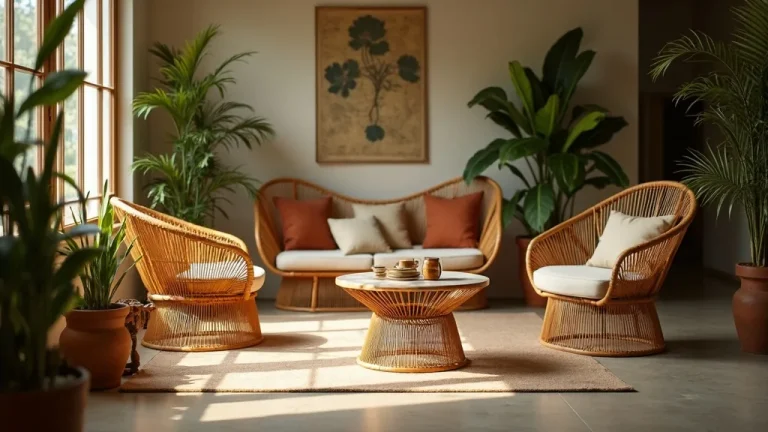
Bali Eco Resort Rattan Furniture Sourcing Guide 2027
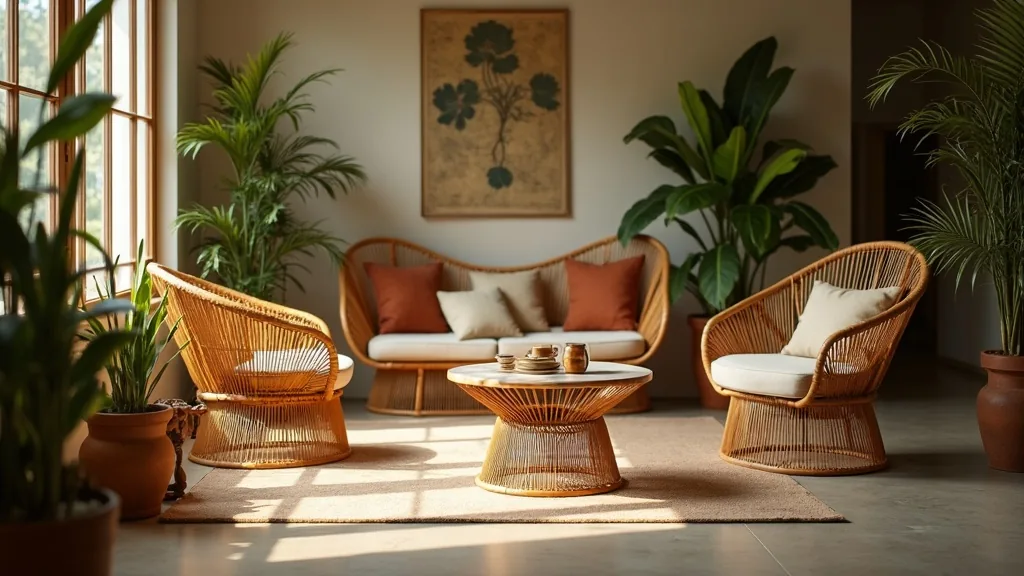
Eco-resorts opening around 2027 should lock their Bali rattan furniture suppliers by mid-to-late 2026: specify traceable Indonesian rotan — finished furniture is legal to export under Permendag 38 of 2017 — demand contract-grade frames and weaves rated for tropical humidity, and phase FF&E delivery as mixed 20/40ft containers timed backward from soft opening.
One honesty note before anything else: this is an outlook, not a prediction. Every figure below is dated to its source year, most from 2024-2026, and Indonesian rattan export policy has been politically contested before — a prior ban was once lifted and re-evaluated — so treat the regulatory picture as current, never permanent.
Why does 2027 matter for eco-resort rattan sourcing?
Because three dated signals point the same direction.
- The material moat is regulatory. Under Trade Regulation Permendag No. 38 of 2017, raw (unprocessed) rattan may not be exported from Indonesia, while semi-finished rattan and finished rattan furniture can. Then-Trade Minister Enggartiasto Lukita, speaking in Cirebon and reported by ANTARA News, stated that raw rattan cannot be exported but the semi-finished product is allowed. The weaving (anyaman) and finishing value stays onshore — which is precisely the traceable, value-added supply chain an eco-resort wants to point guests toward.
- The trade base is measurable, not anecdotal. BPS-Statistics Indonesia reports Bali Province exported goods worth US$634,496,917 in 2024. Indonesia’s rattan furniture exports under HS 94038300 ran to roughly USD 14.6 million in 2024, and by that year the trade served 69 countries with more than 400 active buyers.
- Demand studies lean forward. Multiple market studies published through 2026 forecast global rattan furniture growth into the 2030-2033 window. Forecasts are only forecasts — but a resort furnishing 40 villas in 2027 is buying into a supply base both policy and buyers are invested in.
For a new-build property, 2027 is also simply when the FF&E clock strikes. If soft opening is Q3 2027, your furniture decisions are 2026 decisions.
Once concept boards are approved, the project-sourcing next step is a consolidated item list per room type — the same process our villa and hotel rattan program runs for operating properties, applied here to a resort that does not physically exist yet. Every downstream document, from RFQ to packing list, hangs off that one list.
What should an eco-resort specify for traceable materials?
Guests booking an eco-resort in 2027 will expect the sustainability story to survive a search engine. Build the paper trail into the purchase order, not into the marketing deck afterward.
| Component | What to specify | Paper trail to request |
|---|---|---|
| Natural rattan (rotan) weave | Indonesian-origin cane, woven in Cirebon or Bali workshops | Certificate of origin; supplier sourcing statement referencing the Permendag 38/2017 finished-goods framework |
| Wood frame (teak, mahogany, mindi) | SVLK-verified timber | SVLK documentation — mandatory for wood and wood-furniture exports since 1 January 2015 |
| Synthetic weave (HDPE/PE) | UV-stabilized resin for exposed outdoor zones | Resin specification sheet with UV rating |
| The shipment itself | Standard Bali export document set | Commercial invoice, packing list, bill of lading, certificate of origin, Indonesian export declaration; fumigation certificate for wooden items; phytosanitary certificate depending on destination |
Two cautions belong in the contract. First, SVLK covers the wood component of your furniture; published sources do not explicitly extend it to rattan fiber itself, so do not let a supplier — or your own brochure — claim otherwise. Second, furniture with wood components can fall within EUDR scope for EU-linked buyers; prepare the documentation early and be suspicious of anyone selling certainty on how enforcement will look in 2027.
Which contract-grade specs survive tropical climates?
Resort furniture fails in predictable ways: UV, salt air, 80-90 percent humidity, pool chlorine, and 300-plus occupancy nights a year. Honest placement of natural versus synthetic weave is the single most consequential spec decision — make it openly rather than pretend natural rotan belongs beside a chlorinated pool.
| Zone | Weave | Frame | Why |
|---|---|---|---|
| Villa interiors, covered lobbies | Natural rotan | Rattan pole or SVLK teak | The authentic material, placed where it can live a long service life |
| Verandas, semi-covered F&B | Case-by-case | Teak or powder-coated aluminum | Driven by real rain and sun exposure, not by catalog category |
| Pool decks, beachfront | Synthetic HDPE only | Powder-coated aluminum | Natural fiber degrades quickly under UV, rain, and chlorine splash |
| High-turnover restaurant seating | Tight weave, reinforced joints | Hardwood or aluminum | Specify stacking, glide feet, and replaceable cushion programs |
Beyond placement, write these into the specification sheet: marine-grade or stainless hardware, water-based finishes where the design allows, quick-dry foam for anything outdoors, and removable covers so housekeeping replaces fabric instead of furniture.
Customization is genuinely available, not a sales line. Bali furniture guides verify that most artisans will adjust dimensions, finishes, and colors to buyer specification — send dimensioned drawings or reference photos so the workshop fully understands the requirement before the sampling round, not after it.
How should you phase FF&E delivery for a 2027 opening?
Work backward from soft opening and ship in phases, because a resort under construction has nowhere dry, secure, and dust-free to store three containers of woven furniture.
| Milestone | Timing (Q3 2027 soft opening) | What happens |
|---|---|---|
| Supplier shortlist + consolidated item list | Q3-Q4 2026 | RFQ issued from the per-room-type list |
| Sampling and revision | Q4 2026 – Q1 2027 | Pre-production samples, one structured revision round |
| Container 1 — guest villas | Order Q1 2027 | First rooms furnished and photographed for pre-opening sales |
| Container 2 — F&B and common areas | Order Q1-Q2 2027 | Arrives as back-of-house works finish |
| Container 3 — spa, retail, attic stock | Order Q2 2027 | Includes 5-10 percent spares of every high-wear item |
On lead times, logistics guides put Bali-to-Germany rattan shipments at 6-10 weeks total including production, packaging, and shipping; Bali-to-Australia sea freight usually takes 2-6 weeks. Air freight exists but is rarely economical for bulky woven furniture, so treat it as a last-resort gap-filler, not a plan.
On quantity, think in containers rather than piece counts. A workable minimum is a mixed 20ft or 40ft container that cube-outs, shipped FOB Semarang or Surabaya, with Bali’s Jimbaran and Denpasar warehouse cluster handling consolidation and quality checks before the cargo moves.
On money: no source verifies a standard industry per-piece price for Bali rattan furniture, so any USD figure you see — here or anywhere — is an indicative example only, as of 2026 and subject to change. Real pricing is quote-based per piece and per specification, built from your item list by workshops in Bali and Cirebon.
What sustainability story can guests actually verify?
Stick to claims a curious guest, journalist, or certification auditor can check. Verifiable: Indonesian origin under a finished-goods export framework dated to 2017; weaving heritage in the Cirebon cluster with design-led finishing in Bali; SVLK timber legality on wood frames since 2015; and a materials map explaining why natural rotan sits in covered spaces while synthetic weave takes the weather. Not claimable: SVLK on the rattan fiber itself, regulatory permanence, or eco-certifications you have not completed. A furniture story earns trust by what it declines to say.
Frequently Asked Questions
How far ahead of a 2027 opening should an eco-resort order rattan furniture?
Work backward from soft opening. Allow 6-10 weeks production-to-delivery per container batch (the logistics-guide figure for Bali-to-Germany routes; Bali-to-Australia sea freight runs 2-6 weeks), plus a sampling and revision round of 4-8 weeks. For a Q3 2027 opening, confirm your supplier and item list by late 2026 and approve pre-production samples by Q1 2027.
Can Bali rattan suppliers provide traceability documents for eco-certification audits?
Partly, and you should scope it precisely. Expect a certificate of origin, commercial invoice, packing list, and fumigation or phytosanitary certificates where required. SVLK timber-legality verification, mandatory for wood exports since 1 January 2015, covers teak, mahogany, or mindi frame components — not the rattan fiber itself. Ask for the full document set in writing before contracting; auditors will.
Does mixing natural rattan indoors with synthetic outdoors weaken an eco-resort’s sustainability story?
No — it strengthens it, if you tell it honestly. Natural rotan degrades under UV, rain, and pool chlorine, so specifying it outdoors guarantees early replacement and waste. Placing natural weave in covered villas and HDPE synthetic on exposed decks extends service life, and guests respond well to a materials map that explains the reasoning room by room.
Keep Reading
Uncategorized
Rattan FF&E Investment in Bali Hospitality: 2027
Rattan furniture investment opportunities in Bali hospitality for 2027 are procurement opportunities, not securities: the villas, beach clubs, and eco-resorts…
Uncategorized
RCEP Supply Chains for Bali Rattan Exporters: 2027
For 2027, an RCEP supply chain strategy for Bali rattan exporters comes down to three moves: claim preferential tariffs where…
Uncategorized
SVLK & FLEGT Legality for Rattan and Wood Frames
SVLK — Sistem Verifikasi Legalitas Kayu — has been mandatory for Indonesian wood and wood-furniture exports since 1 January 2015,…