
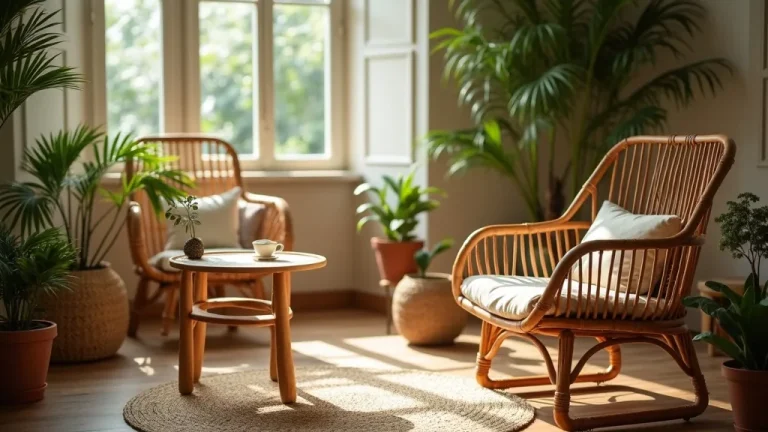
Sustainable Rattan Furniture Demand 2027
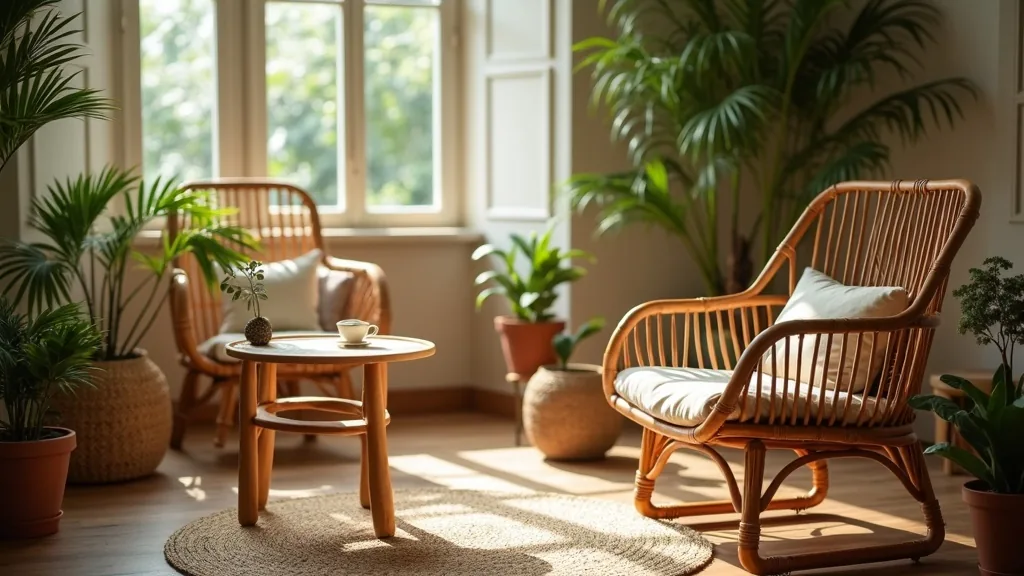
Global demand for sustainable Indonesian rattan furniture is on track to keep climbing into 2027, pushed by eco-conscious retail buyers, tightening EU traceability rules, and market forecasts projecting rattan furniture growth through 2030-2033. Importers who can show SVLK papers for wood frames, documented rotan sourcing, and honest natural-versus-synthetic labeling will be first in line for orders.
One caveat before the detail. This is an outlook built on dated 2026 signals, not a prediction. Trade policy shifts, freight rates move, forecasts get revised — every figure below carries its year, and every statement about 2027 is a reasoned reading of where those signals point.
Why Is Sustainable Rattan Demand Rising Heading Into 2027?
Start with the material. Rattan — rotan in Indonesian — is a fast-regrowing climbing palm harvested from standing forests, not a species that requires clear-felling. That gives woven furniture (mebel anyaman) a stronger environmental story than most timber or plastic alternatives. The catch: by 2027, retail sustainability teams will want that story documented, not just told.
Policy reinforces it. Under Trade Regulation Permendag No. 38 of 2017, raw unprocessed rattan may not be exported from Indonesia, while semi-finished rattan and finished furniture can be. Then-Trade Minister Enggartiasto Lukita, speaking in Cirebon and reported by ANTARA News, Indonesia’s state news agency, put it plainly: raw rattan cannot leave the country, but the semi-finished material is allowed. The rule keeps weaving and finishing value inside Indonesia, so a finished Bali chair carries its whole value-added chain in one origin country — which simplifies traceability claims. Rattan export policy has been politically contested before, so treat this as the regime as of 2026, not a permanent guarantee.
The trade numbers give the outlook its floor. BPS-Statistics Indonesia reports Bali Province exported goods worth US$634,496,917 in 2024. Indonesia’s rattan furniture exports under HS 94038300 ran to roughly USD 14.6 million in 2024, and by that year the country’s rattan trade served 69 countries with more than 400 active buyers. Multiple market studies forecast global rattan furniture growth through 2030-2033 — placing 2027 squarely on the rising part of the projected curve.
Which 2026 Signals Point Toward 2027 Demand?
Four signals, each dated, each pointing the same direction:
| 2026 signal | What it says | Why it matters for 2027 |
|---|---|---|
| EU deforestation due-diligence phasing in | As of 2026, EU rules requiring deforestation-free evidence for wood products are entering application | Teak, mahogany, or mindi frames can fall in scope — buyers will demand supplier data early |
| Market forecasts still bullish | Studies published through 2026 project rattan furniture growth to 2030-2033 | Retailers spec eco-line assortments 12-18 months ahead — 2027 ranges are being planned now |
| SVLK regime fully mature | Mandatory for wood and wood-furniture exports since 1 January 2015 | Over a decade of compliance practice — an edge over less-documented origins |
| Broad buyer base | 69 countries, 400+ buyers served by 2024 per Indonesian trade data | Demand is diversified, not hostage to one market’s economy |
None of these signals is a promise. Together, they describe a market where the paperwork-ready supplier wins.
What Should Importers Stock for the 2027 Season?
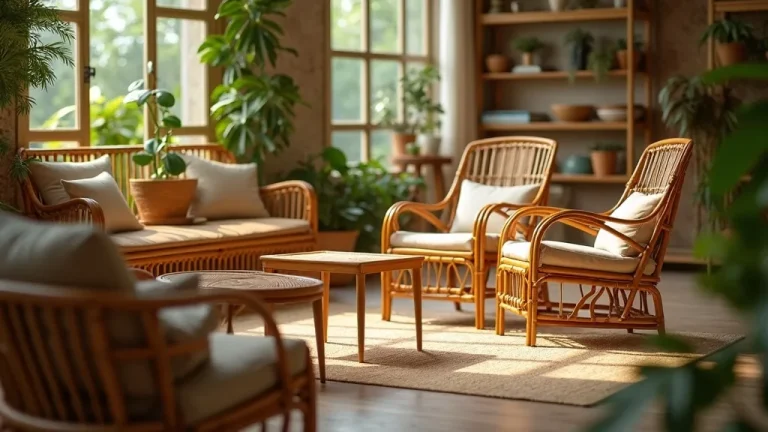
The sustainability story sells hardest indoors, because natural rattan is simply not built for year-round rain and UV — and honest suppliers say so. Retail and hospitality buyers building 2027 eco-collections usually anchor them on bali indoor rattan furniture, where natural fiber’s texture, light weight, and renewable-material story carry full retail price.
A 2027-ready mixed container typically draws from this list:
- Dining chairs and armchairs — natural anyaman over teak, mahogany, or mindi frames; the frame wood is what SVLK covers
- Lounge and accent chairs — statement pieces that lead eco-line photography
- Bedheads and headboards — flat-packing friendly, strong cube efficiency
- Pendant lampshades and mirrors — light, high-margin, fill container gaps
- Cabinets, consoles, and side tables — wood-frame pieces where legality documents matter most
- Terrace sets in synthetic HDPE/PE weave — for outdoor programs, labeled honestly as synthetic
On quantities and money: minimum order is best framed as a mixed 20ft or 40ft container that cubes out, shipped FOB Semarang or Surabaya. Pricing is quote-based per piece and per specification from your item list — any published USD figure is an indicative example only, as of 2026 and subject to change, because no standard price list exists for hand-woven goods.
What Sustainability Proof Will Buyers Require by 2027?
Expect the proof stack to look like this:
| Proof | What it covers | Status as of 2026 |
|---|---|---|
| SVLK (Sistem Verifikasi Legalitas Kayu) | Legality of the wood component — teak, mahogany, mindi frames | Mandatory for wood and wood-furniture exports since 1 January 2015 |
| EU deforestation due-diligence data | Deforestation-free evidence for wood on the EU market | Phasing in; wooden-framed furniture can fall in scope — prepare origin data, promise nothing |
| Certificate of origin and export declaration | The origin claims German customs specifically require, with detailed product descriptions and value declarations | Standard export set with commercial invoice, packing list, bill of lading |
| Fumigation and phytosanitary certificates | Pest treatment for wooden and plant-based items | Required for wooden furniture; phytosanitary needs depend on destination |
| Sourcing narrative with photos | Where the rotan is harvested, who weaves it | Not legally required — but retail buyers increasingly ask in vendor onboarding |
One honesty note: available sources cover SVLK as a timber-legality system and do not explicitly extend it to rattan fiber itself, so frame SVLK as covering the wood component of your furniture. A supplier advertising “SVLK-certified rattan weave” is overreaching, and a sharp EU compliance officer will notice.
How Do Natural and Synthetic Rattan Compare on the Sustainability Ledger?
Indoors, natural rotan wins on most counts: renewable, biodegradable, processed by hand rather than energy-heavy machinery. Outdoors, the honest answer flips — natural fiber degrades in rain, humidity, and direct sun, so a synthetic HDPE or PE weave that serves many seasons without replacement can be the more defensible choice for uncovered terraces. By 2027, expect buyers — and EU rules on chemical content and flame-retardancy — to demand accurate material labeling for both. Selling plastic weave as “eco rattan” is the fastest way to lose a retail account.
How Should You Build a 2027 Sourcing Calendar?
Work backward from your launch date:
- Q3-Q4 2026 — sample and spec. Send diagrams and reference photos so workshops in Bali and Cirebon fully understand the requirement; most artisans will adjust dimensions, finishes, and colors to buyer specification.
- Lock quotations from your item list. Per piece, per spec — that is how this trade actually prices.
- Count lead time honestly. Bali-to-Germany shipments typically run 6-10 weeks total including production, packaging, and shipping, per logistics-guide figures as of 2026; sea freight Bali-to-Australia usually takes 2-6 weeks.
- Assemble documents early. Invoice, packing list, bill of lading, certificate of origin, export declaration — plus SVLK and fumigation certificates wherever wood is involved.
- Plan one mixed load. A 20ft or 40ft box that cubes out across seating, bedroom, and accessory pieces spreads risk across the whole 2027 range.
The signals are dated and the direction is consistent: buyers who ask their Indonesian suppliers for proof now — not in mid-2027 — will be the ones stocked, compliant, and selling when the eco-line demand they forecast actually arrives.
Frequently Asked Questions
Will the EU deforestation regulation apply to Indonesian rattan furniture in 2027?
It can, where wood is involved. The EU rules target commodities including timber, so rattan furniture built on teak, mahogany, or mindi frames may fall in scope when placed on the EU market; rattan fiber itself is a palm, not listed timber. As of 2026 the duties are phasing in — request SVLK papers and wood-origin data now, and distrust any blanket exemption promise.
Which global markets look strongest for sustainable Indonesian rattan furniture in 2027?
Indonesia’s rattan trade already served 69 countries with more than 400 buyers by 2024, and studies forecast growth through 2030-2033. Europe leads on traceability-driven eco-demand, Australia benefits from short 2-6 week sea routes from Bali, and North American retailers keep expanding natural-material lines. Treat these as dated signals shaping an outlook, not a guaranteed ranking.
Is natural rattan more sustainable than synthetic rattan for 2027 collections?
For indoor collections, generally yes: natural rotan is renewable, biodegradable, and processed largely by hand. For uncovered outdoor use the honest answer reverses — natural fiber breaks down in rain and UV, so a long-serving HDPE weave that avoids repeated replacement can be the sounder choice. By 2027, accurate labeling of each material will matter more than either claim alone.
Keep Reading
Uncategorized
Bali Eco Resort Rattan Furniture Sourcing Guide 2027
Eco-resorts opening around 2027 should lock their Bali rattan furniture suppliers by mid-to-late 2026: specify traceable Indonesian rotan — finished…
Uncategorized
Rattan FF&E Investment in Bali Hospitality: 2027
Rattan furniture investment opportunities in Bali hospitality for 2027 are procurement opportunities, not securities: the villas, beach clubs, and eco-resorts…
Uncategorized
RCEP Supply Chains for Bali Rattan Exporters: 2027
For 2027, an RCEP supply chain strategy for Bali rattan exporters comes down to three moves: claim preferential tariffs where…