
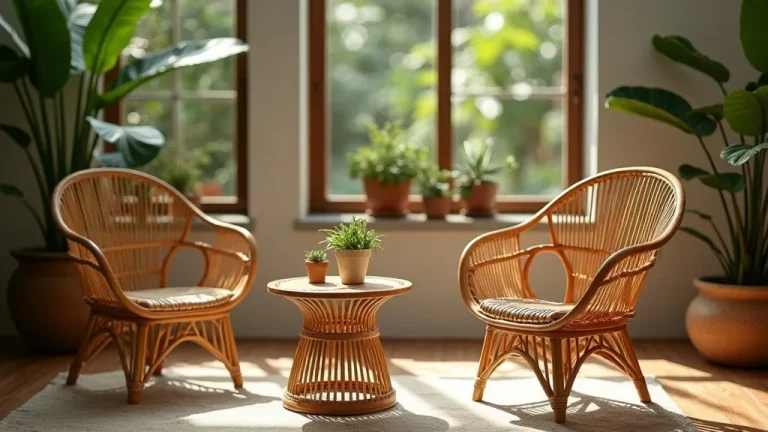
UV-Treated Natural Rattan Wholesale: 2027 Outlook
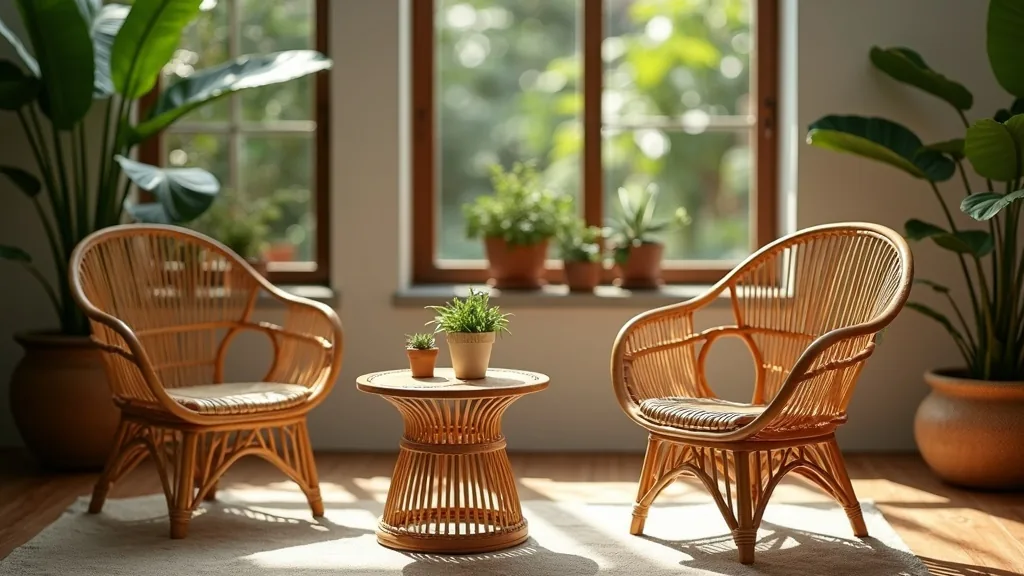
UV-treated natural rattan is one of the most flagged upgrades for 2027 outdoor and semi-outdoor furniture programs. Bali workshops apply UV-inhibiting lacquers and sealants that slow fading and fiber breakdown, extending covered-terrace life meaningfully — but treated natural rotan still does not match synthetic HDPE fiber in open weather. Treat this as a 2027 outlook, not a prediction.
Why Is UV-Treated Rattan Suddenly a 2027 Buzzword?
Because 2026 garden-trend coverage keeps circling the same tension. Retail and hospitality buyers want the warmth and irregularity of real anyaman, yet specifiers keep striking natural fiber off anything more exposed than a covered veranda. UV-inhibiting finishes are the compromise the trade is betting on for 2027 ranges, and several dated signals back the bet.
- Natural-material demand held through 2026. Market studies published across 2025 and 2026 forecast global rattan furniture growth through 2030-2033, with natural fiber repeatedly named as the premium end of that curve.
- Indonesia keeps finishing innovation onshore. Under Trade Regulation Permendag No. 38 of 2017, raw rattan may not be exported from Indonesia while finished furniture may — a rule then-Trade Minister Enggartiasto Lukita defended in Cirebon, as reported by ANTARA News. Coating and sealing development therefore lives inside Indonesian workshops rather than in overseas factories buying raw cane.
- Bali’s export base is real. BPS-Statistics Indonesia records Bali Province exporting US$634.5 million in goods in 2024, and Indonesia’s rattan furniture trade under HS 94038300 reached roughly USD 14.6 million that year, serving 69 countries and more than 400 buyers.
One caution before the enthusiasm: rattan export policy has been politically contested before, and trend forecasts are marketing documents, not contracts. Everything here is an outlook grounded in figures available as of mid-2026.
For buyers mapping 2027 sourcing options, the practical question is where UV-treated pieces sit between two established lanes: standard bali natural rattan for indoor and covered programs, and synthetic HDPE weave for open-weather installations. Treated natural fiber is a third lane between those two — not a replacement for either.
What Does UV Treatment Actually Do — and Not Do?
UV-inhibiting finishes are lacquers, oils, or sealant systems loaded with absorbers and stabilizers that intercept ultraviolet radiation before it degrades the lignin and cellulose inside rotan fiber. Applied well, they slow the two failure modes buyers recognize on sight: silver-grey fading and the surface brittleness that turns weave (anyaman) crackly.
What treatment does not do matters just as much in a tender:
- It does not stop moisture. Rain, pool splash, and tropical humidity still swell and stress natural fiber; mold remains a risk in damp, unventilated storage.
- It does not remove maintenance. Most coating systems need inspection and re-application every one to two seasons in exposed positions — ask each supplier for their recoat schedule in writing.
- It does not equal HDPE. Synthetic fiber is extruded with UV stabilizer through its whole cross-section; a coating protects only the surface, and it wears wherever arms, trays, and cushions rub.
How Does UV-Treated Natural Rattan Compare With Synthetic Fiber?
| Criterion | Untreated natural rattan | UV-treated natural rattan | Synthetic HDPE weave |
|---|---|---|---|
| Look and feel | Warm, irregular, ages visibly | Same character, slower fading | Uniform; good imitations, no patina |
| Direct sun | Fades and embrittles fast | Meaningfully slower degradation | Engineered for it |
| Rain and humidity | Poor | Still limited — coating is not waterproofing | Excellent |
| Maintenance | High | Moderate; periodic recoating | Wash-down only |
| Repairability | Hand-rewoven by artisans | Hand-rewoven, then recoated | Strand replacement, color-match dependent |
| Best 2027 fit | Indoor, lobbies, retail floors | Covered terraces, semi-outdoor F&B | Pool decks, open gardens, marine air |
What Does the Cost-Benefit Math Look Like for a 2027 Program?
The honest frame is cost per usable year in a specific position, not sticker price. As an indicative example only — as of 2026, subject to change — a natural-rattan dining armchair quoted around USD 85-120 FOB Semarang or Surabaya might carry roughly USD 8-18 more with a UV-inhibiting finish system. These figures are illustrations: real pricing is quote-based per piece and per specification from your item list, and no two workshops in Bali or Cirebon price identically.
Where the premium tends to pay, and where it does not:
| Position | Sensible 2027 choice | Reasoning |
|---|---|---|
| Hotel lobby, retail floor | Untreated or lightly sealed natural | UV load is low; spend on weave quality instead |
| Covered restaurant terrace | UV-treated natural | Real sun at the edges; slower fading protects the look between refits |
| Open pool deck or rooftop | Synthetic HDPE | No coating honestly survives full tropical exposure plus chlorinated splash |
| Mixed indoor-outdoor villa order | Split specification | Treated natural where covered, synthetic where open — one mixed container carries both |
Logistics do not change with the finish. Production, packaging, and shipping from Bali to Germany typically runs six to ten weeks in total, a 2026 logistics-guide figure, and Bali-to-Australia sea freight takes two to six weeks. A mixed 20-foot or 40-foot container that cubes out remains the working MOQ frame for 2027 orders.
What Should Buyers Ask Suppliers in 2027 Tenders?
Trend labels are cheap; specification language is where a 2027 tender protects you. Put these seven questions to every workshop quoting UV-treated natural rattan:
- Which coating system, exactly? Brand or generic chemistry, solvent- or water-based, and the number of coats.
- What test evidence exists? Accelerated-weathering results if any; if none, ask for dated photos of pieces in service.
- What is the recoat interval for covered-terrace exposure, and can the topcoat ship with the container?
- How does the finish affect repair? Rewoven sections must be recoated to match — who handles that after year one?
- What warranty language will they sign? Distrust anyone guaranteeing “weatherproof natural rattan”; honest suppliers guarantee workmanship, not weather.
- Is the frame documented? Teak, mahogany, or mindi frames need SVLK timber-legality paperwork, mandatory for wood-furniture exports since 1 January 2015, and EU-bound orders also face plant-health and chemical-content rules.
- Can they run a split container? Treated natural plus synthetic lines in one 40-foot load is the realistic 2027 order shape.
A supplier who answers all seven in writing is worth shortlisting. One who answers with adjectives is selling 2026 stock under a new label.
Frequently Asked Questions
Does UV treatment make natural rattan safe for fully outdoor use in 2027?
No. As of 2026, UV-inhibiting finishes slow sun damage on natural rotan but do not stop moisture, swelling, or mold. Treated natural rattan suits covered terraces and semi-outdoor positions; open pool decks and uncovered gardens still call for synthetic HDPE weave. Any supplier promising fully weatherproof natural fiber is overselling the chemistry.
How much extra should I budget for UV-treated natural rattan from Bali?
There is no standard industry surcharge. As an indicative example as of 2026, subject to change, workshops in Bali and Cirebon have quoted roughly USD 8-18 above a comparable untreated piece, varying with coating system and piece size. Real pricing is quote-based: send your item list and target exposure conditions, and price the finish per specification.
What should a 2027 tender document specify for UV-treated rattan from Bali?
Name the coating chemistry, coat count, recoat interval, and warranty wording; require SVLK documents for any wood frame component; and ask for dated in-service photos or weathering data rather than trend-page claims. Specify the FOB port (typically Semarang or Surabaya) and allow six to ten weeks Bali-to-Europe including production, per 2026 logistics guidance.
Keep Reading
Uncategorized
Bali Eco Resort Rattan Furniture Sourcing Guide 2027
Eco-resorts opening around 2027 should lock their Bali rattan furniture suppliers by mid-to-late 2026: specify traceable Indonesian rotan — finished…
Uncategorized
Rattan FF&E Investment in Bali Hospitality: 2027
Rattan furniture investment opportunities in Bali hospitality for 2027 are procurement opportunities, not securities: the villas, beach clubs, and eco-resorts…
Uncategorized
RCEP Supply Chains for Bali Rattan Exporters: 2027
For 2027, an RCEP supply chain strategy for Bali rattan exporters comes down to three moves: claim preferential tariffs where…