
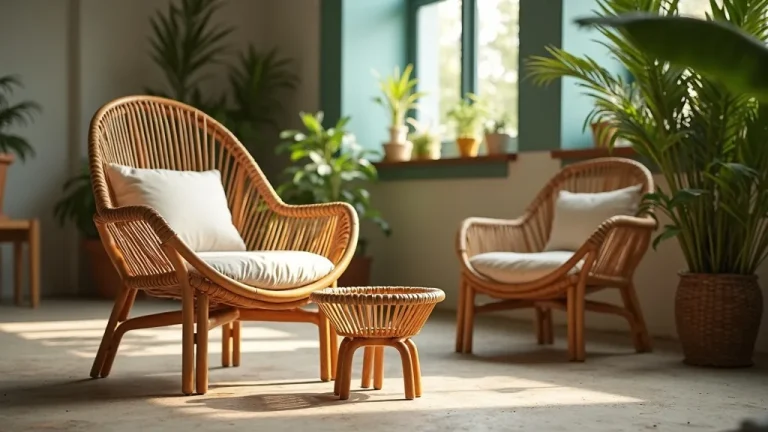
Hybrid Frames for Rattan Furniture: 2027 Outlook
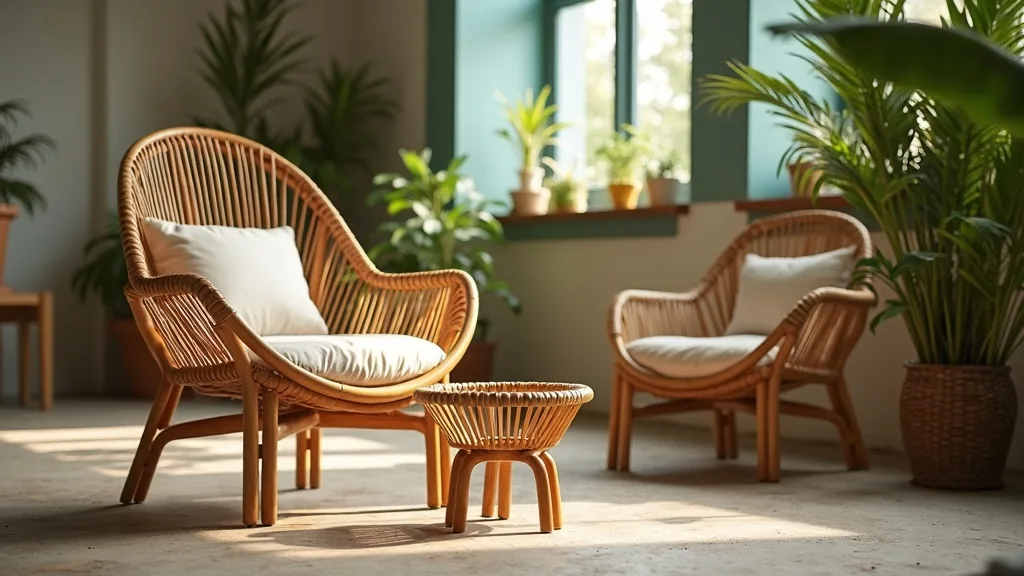
Hybrid frames — teak or mindi wood joined with powder-coated aluminum or steel, then wrapped in HDPE synthetic weave — are moving from niche to mainstream in Indonesia’s furniture mix. Signals through 2026 point to hybrids taking a larger share of outdoor and hospitality orders by 2027: lighter containers, longer outdoor life, and simpler EU paperwork than all-wood builds.
One caveat before anything else: this is an outlook grounded in dated 2026 signals, not a prediction. Materials trends in Indonesian mebel move with timber prices, hotel procurement cycles, and EU regulation — all three can shift. Everything below is date-stamped so you can check it against reality when your 2027 order lands.
Why Is Indonesia’s Frame Mix Shifting Toward Hybrids?
Three forces are visible in the data, not just in workshop chatter.
Material economics. Indonesian furniture-industry outlook studies published through 2026 describe a materials mix diversifying beyond solid wood into wood-polymer-metal combinations, driven by hardwood cost pressure and buyer demand for outdoor performance.
The regulatory moat. Under Trade Regulation Permendag No. 38 of 2017, raw rattan cannot leave Indonesia, while semi-finished rattan and finished furniture can — a rule then-Trade Minister Enggartiasto Lukita explained in Cirebon, as reported by ANTARA News. That policy keeps weaving value-added onshore, and hybrid construction extends the same logic: metal fabrication, welding, powder-coating, and anyaman work all happen inside Indonesian workshops before export. More process steps captured locally, more margin defended.
Demand is real and growing. Indonesia’s rattan furniture exports under HS 94038300 ran about USD 14.6 million in 2024, reaching 69 countries and more than 400 buyers, according to trade data. BPS-Statistics Indonesia reports Bali Province alone exported goods worth US$634,496,917 in 2024. Multiple market studies forecast global rattan furniture growth through 2030-2033, with outdoor and contract (hospitality) segments leading — exactly where hybrid frames outperform.
What Counts as a Hybrid Frame?
A hybrid frame combines two or more structural materials in one piece. The weave (anyaman) wraps over it; the frame decides weight, weather rating, and paperwork.
| Combination | Typical use | Why buyers choose it |
|---|---|---|
| Teak + powder-coated aluminum | Outdoor lounge sets, resort daybeds | Teak on visible arms and legs, aluminum inside the seat box — warm look, 30-40% lighter |
| Mindi or mahogany + steel | Café and restaurant seating | Steel allows slim silhouettes wood joinery cannot; wood warms the touchpoints |
| Full aluminum + HDPE weave | Poolside, beach clubs, marine settings | No organic material at all — highest weather rating, no fumigation |
| Natural rattan pole + steel core | Statement chairs, lobby pieces | Classic rotan look with straighter, load-rated legs |
Geography matters here. Cirebon in West Java remains the historic weaving cluster, the Pasuruan-Sidoarjo corridor handles much of the metal fabrication capacity, and Bali — with export warehouses concentrated in Jimbaran and Denpasar — is where design-led finishing and consolidation happen before the container ships FOB Semarang or Surabaya.
How Do Hybrid Frames Pair With Synthetic Weave?
This is where the 2027 outlook gets concrete. HDPE weave is UV-stabilized and waterproof; put it over a wooden frame and the weave outlives the structure in wet climates. Put it over aluminum and the whole piece matches the weave’s outdoor life. That is why the pairing logic across a bali synthetic rattan program increasingly assumes an aluminum or hybrid frame underneath, with all-wood frames reserved for covered terraces and indoor use.
Be honest with your end customers about the split:
- Full sun and rain exposure: aluminum frame + HDPE weave. Nothing organic to rot, swell, or attract termites.
- Covered outdoor (verandas, pergolas): teak-aluminum hybrid works well; the teak needs occasional oiling but stays out of standing water.
- Indoor and hospitality interiors: natural rattan and full-wood frames still win on feel and authenticity — synthetic weave is not an upgrade there, just a different tool.
What Do Hybrid Frames Mean for Container Weight and Freight?
Woven furniture almost always cubes out a container before it weighs out, so frame weight rarely changes the ocean freight bill. Where it does bite: handling, destination trucking, and warehouse labor. Indicative example figures, as of 2026 and subject to change — real numbers depend entirely on your specification:
| Piece (indicative) | All-teak frame | Teak-aluminum hybrid | Full aluminum |
|---|---|---|---|
| Dining chair | ~12-14 kg | ~8-10 kg | ~6-8 kg |
| 3-seat lounge sofa | ~45-55 kg | ~32-40 kg | ~25-32 kg |
| Loading, 40ft HC mixed | cube-out first | cube-out first | cube-out first |
Two practical effects for 2027 planning. First, lighter pieces let two workers instead of three unload at destination — a labor line German and Australian importers already price in. Second, MOQ stays what it has always been in this trade: a mixed 20ft or 40ft container that cube-outs, not a per-model unit count. Lead time from Bali to Germany typically runs 6-10 weeks including production, packing, and sailing; Bali to Australia sea freight usually takes 2-6 weeks.
What Will EU Buyer Specs Look Like by 2027?
The paperwork picture is where hybrids quietly earn their keep, and where honesty matters most.
- SVLK covers the wood component. Since 1 January 2015, SVLK timber-legality verification has been mandatory for wood and wood-furniture exports. A teak-aluminum hybrid still needs SVLK documentation for its teak. A full-aluminum frame with HDPE weave carries no wood — no SVLK file to assemble.
- EUDR scope follows the wood too. Furniture containing timber can fall inside EU deforestation-regulation scope. As of 2026, implementation timelines have already shifted once, so prepare due-diligence data for wooden components and do not sell buyers certainty about dates.
- Fumigation applies to wooden furniture. Drop the wood, drop the fumigation certificate. Phytosanitary requirements for plant-based material depend on destination.
- Germany wants detail. German customs require detailed product descriptions, value declarations, and country-of-origin certificates; EU-bound furniture must also meet European safety standards, including flame-retardancy and chemical-content restrictions that apply to foam cushions and coatings on any frame type.
None of this makes wood a liability — it makes documentation a spec item. Buyers planning 2027 programs are already splitting orders: wood-visible pieces with full SVLK files for interiors, metal-frame synthetic pieces for exteriors where the document stack is thinner.
How Should You Spec and Price a Hybrid Order?
Every USD figure in this trade is quote-based per piece and per specification — there is no standard industry price list, and any workshop quoting one without seeing your drawings is guessing. Workshops in Bali and Cirebon quote from your item list. To get a clean 2027 quotation:
- Define the exposure environment per SKU (full outdoor, covered, indoor).
- Specify the metal: aluminum wall thickness, weld standard, powder-coat thickness in microns.
- Specify the wood species and request the SVLK document set for it.
- Lock the weave by physical sample — HDPE grade and color, never “synthetic rattan” as a catch-all.
- Send dimensioned drawings or reference photos; Bali furniture guides consistently verify that artisans adjust dimensions, finishes, and colors to buyer specification when the requirement is clearly communicated.
- Build the container mix to cube-out across fast and slow movers.
Watch the 2026 signals — timber prices, EUDR dates, hotel pipeline in Bali — and let them, not trend pieces, set your 2027 materials split.
Frequently Asked Questions
Will hybrid wood-metal frames replace solid teak in Indonesian rattan furniture by 2027?
Unlikely, and no serious outlook claims it. The 2026 signals point to coexistence: hybrids and full-aluminum frames growing fastest in outdoor and hospitality orders, while solid teak and natural rotan keep the premium indoor and design-led segments. Treat 2027 as a shift in share, not a replacement — and re-check timber prices before committing a container program.
Does an aluminum-frame synthetic rattan piece from Indonesia still need SVLK or fumigation documents?
No wood, no SVLK, no fumigation certificate — those requirements attach to timber content. A full-aluminum frame with HDPE weave ships with the standard export set: commercial invoice, packing list, bill of lading, certificate of origin, and Indonesian export declaration. Add any teak or mindi component and SVLK documentation for that wood returns, so confirm the bill of materials per SKU.
How much container weight does switching to hybrid frames actually save?
Indicatively 25-45% per piece as of 2026 — an all-teak dining chair around 12-14 kg drops to roughly 8-10 kg as a teak-aluminum hybrid — but exact figures depend on your specification. Because woven furniture cubes out before it weighs out, the savings show up in destination handling and trucking labor rather than in the ocean freight rate itself.
Keep Reading
Uncategorized
Bali Eco Resort Rattan Furniture Sourcing Guide 2027
Eco-resorts opening around 2027 should lock their Bali rattan furniture suppliers by mid-to-late 2026: specify traceable Indonesian rotan — finished…
Uncategorized
Rattan FF&E Investment in Bali Hospitality: 2027
Rattan furniture investment opportunities in Bali hospitality for 2027 are procurement opportunities, not securities: the villas, beach clubs, and eco-resorts…
Uncategorized
RCEP Supply Chains for Bali Rattan Exporters: 2027
For 2027, an RCEP supply chain strategy for Bali rattan exporters comes down to three moves: claim preferential tariffs where…